Blitzchung controversy
The Blitzchung controversy was a major esports incident in October 2019, when Blizzard Entertainment banned Hearthstone player Ng Wai Chung (Blitzchung) for expressing support for the Hong Kong protests during a live broadcast. The event sparked international outcry, a boycott movement, and intense debate over corporate censorship and free speech in esports.
| Player | Ng Wai Chung (Blitzchung) |
|---|---|
| Game | Hearthstone |
| Event | Hearthstone Grandmasters |
| Date | October 6, 2019 |
| Initial Ban | 1 year from Grandmasters, prize forfeit |
| Reduced Ban | 6 months from Grandmasters |
| Prize Forfeit Reversed | Yes |
| Casters Banned | Virtual and Mr. Yee |
| Key Hashtag | #BoycottBlizzard |
| Blizzard President | J. Allen Brack |
The Incident and Immediate Ban
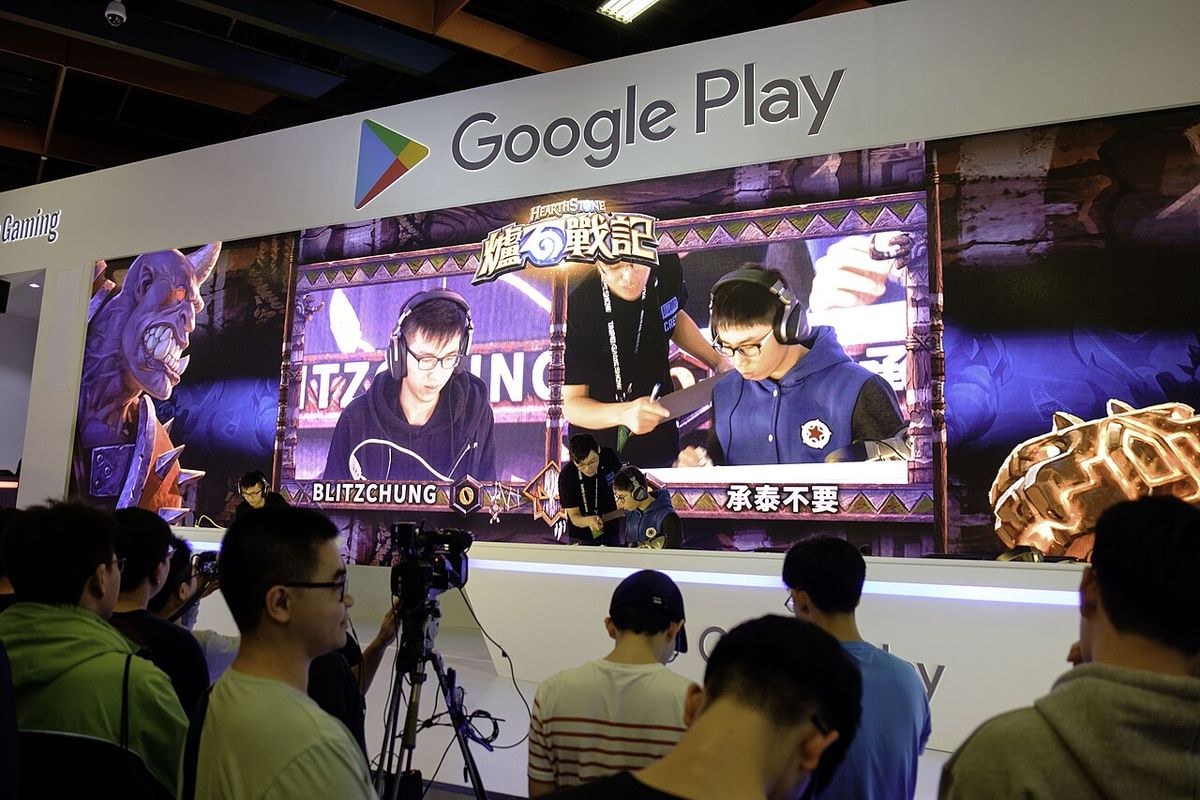
On October 6, 2019, during a post-match interview for the Hearthstone Grandmasters tournament streamed from Taiwan, Hong Kong player Blitzchung wore a mask associated with the Hong Kong protests and stated, Liberate Hong Kong, the revolution of our times. The broadcast was quickly cut. The following day, Blizzard announced severe penalties, citing competition rules against offending the public or making political statements that could impugn Blizzard's image. The company stated that while it respected players' freedom of speech, they were bound by these competition rules.
Blitzchung was banned from the current tournament, forced to forfeit his approximately $4,000 in prize money, and suspended from all Grandmasters competition for one year. In an interview after the ban, Blitzchung explained that his efforts in the social movement over the preceding months had sometimes interfered with his tournament preparation, which influenced his decision to protest. Blizzard also terminated its contracts with the two casters conducting the interview, Virtual and Mr. Yee, believing they had encouraged the political message.
The casters later stated to PC Gamer that they only knew about the mask moments before the interview. When Blitzchung began his statement, they ducked their heads under their desk to show he was speaking only for himself. Virtual said he had not been told why he was fired from Blizzard's Taiwan offices. Blizzard president J. Allen Brack later confirmed the casters would not be rehired because they allowed the political message instead of focusing on the game.
Public and Political Backlash
The ban triggered a polarized response rooted in the political nature of the Hong Kong protests. Official mainland Chinese sources, including a post on Blizzard's Chinese Sina Weibo channel run by publishing partner NetEase, publicly condemned Blitzchung's action. Most other international sources were encouraging of his action. Many commentators felt Blizzard acted to protect its business interests with China, referencing both the Chinese government's censorship of the protests and the Chinese technology giant Tencent, a partial owner of Activision Blizzard. This gave the appearance that Blizzard was endorsing the Chinese government position.
Critics highlighted the perceived inconsistency of Blizzard's punishment. They compared it to lesser penalties Blizzard had given to Overwatch League professional players for vulgar statements and gestures on camera. The issue reached the United States Congress, where Senators Ron Wyden and Marco Rubio, along with Representatives Alexandria Ocasio-Cortez, Mike Gallagher, and Tom Malinowski, sent a letter to Activision Blizzard CEO Bobby Kotick. They urged a full reversal, warning the decision could have a chilling effect on gamers using their platform for human rights and that the company must decide whether to promote American values like freedom of speech or give in to Beijing's demands.
The Boycott and Internal Dissent
A grassroots movement coalesced under the hashtag #BoycottBlizzard, which trended worldwide on Twitter. Notable figures like former Blizzard employee and World of Warcraft team lead Mark Kern showed he was canceling his subscription to his own game. Some of Blizzard's own employees shrouded parts of a company monument and staged a walkout using umbrellas, a symbol borrowed from the 2014 Hong Kong protests. One longtime employee called the action against the player pretty appalling but not surprising.
Professional repercussions followed. Longtime Hearthstone casters Brian Kibler and Nathan Zamora dropped out of announcing for the Hearthstone Grandmasters at the November 2019 BlizzCon. In his resignation, Kibler stated his appearance would tacitly endorse Blizzard's decision. Sponsor Mitsubishi Motors withdrew its esports sponsorship several days after the ban. The human rights advocacy group AccessNow.org also urged Blizzard to reverse the ban.
Fans expressed support through creative means. Supporters began posting fan art of Blizzard's Overwatch character Mei, a Chinese woman, as a sign of support for Blitzchung and the protests. Business Insider reported on fans using the character in anti-China memes. Further protests occurred at a Hearthstone Collegiate Champs match on October 9, where the losing American University team held up a sign saying Free Hong Kong, Boycott Blizz. The broadcast cut away, and player cameras were subsequently removed from the event's coverage, replaced by images of the game's characters. Player interviews were also discontinued for the rest of that competition.
Blizzard's Revised Punishment and BlizzCon Apology
Under mounting pressure, Blizzard president J. Allen Brack issued a statement five days after the incident. He wrote that after reviewing the situation, Blizzard felt the initial penalties were not appropriate, though they were still concerned about how Blitzchung and the casters took the discussion away from the game. Brack stated they would reinstate Blitzchung's winnings, reduce his ban from Grandmasters to six months, and reduce the casters' bans to six months. He asserted that the company's relationships in China had no influence on the decision.
Blizzard also formally banned the American University team for six months, applying the same reasoning as with Blitzchung's reduced ban. In later interviews, Brack asserted that Blizzard would not wholly remove the bans, citing the importance of keeping its broadcast focus on the games while reiterating it was not about the content of Blitzchung's message.
Protests continued at the 2019 BlizzCon convention on November 1–2. Brack led the opening ceremonies by accepting accountability, stating, We didn't live up to the high standards we set for ourselves and we failed in our purpose. Observers noted he was careful not to mention Hong Kong specifically in his apology. He promised to improve and let Blizzard's actions speak louder than words. The activist group Fight for the Future planned an umbrella protest at the event to demonstrate disapproval of Blizzard's actions.
Wider Industry Reactions and Parallel Incidents
The controversy prompted reactions and comparisons across the gaming industry. The Australian developer Immutable, makers of Gods Unchained, offered to cover Blitzchung's lost winnings and invite him to their upcoming tournament. Following this, their game servers were subject to a denial-of-service attack. Several high-ranking Hearthstone casters, including Admirable, Sottle, Raven, and Darroch Brown, threatened to discontinue service until Blizzard's ban was lifted.
Other companies made public statements on player speech. Epic Games, which is 40% owned by Tencent, said through a spokesperson that it supports everyone's right to express their views on politics and human rights and would not ban a Fortnite player for such speech, a message echoed by CEO Tim Sweeney on Twitter. In a related incident weeks later, Hong Kong professional Magic: The Gathering player Lee Shi Tian expressed support for the protests at a major championship and was not penalized by Wizards of the Coast.
The situation also put scrutiny on other Tencent-owned companies. Riot Games, wholly owned by Tencent, was accused of censoring the words Hong Kong in the team name Hong Kong Attitude, using the initialism HKA instead during the League of Legends World Championship. Riot identified instances where both names were used and asserted there were no restrictions on the phrase Hong Kong. However, Riot did ask casters and players to avoid discussing politics on streams in light of the broader situation following Blizzard's ban.
Legacy and Lasting Impact
The Blitzchung controversy became a defining case study in the collision of global esports, corporate power, and political expression. It forced a stark public examination of how multinational game companies, particularly those with significant financial ties to China, manage and control speech on their official competitive platforms. The incident demonstrated the tangible power of coordinated community backlash, which included employee walkouts, sponsor withdrawals, congressional pressure, and a sustained social media campaign.
It also exposed the vulnerable position of esports professionals. Their careers and earnings can be instantly jeopardized by moments of political advocacy during tournaments governed by corporate rules designed to maintain a neutral commercial environment. The debate it ignited extended beyond Blizzard, prompting other companies to clarify or defend their own policies on player expression. The controversy underscored the complex reality that esports tournaments are not just sporting events but also global broadcast platforms where geopolitical tensions can suddenly intrude, with lasting consequences for players, companies, and the industry's relationship with its audience.
FAQ
What did Blitzchung say to get banned?
During a post-match interview on October 6, 2019, Blitzchung wore a protest mask and said, Liberate Hong Kong, the revolution of our times, expressing support for the Hong Kong protests.
What was Blizzard's original punishment for Blitzchung?
Blizzard initially banned Blitzchung from the current Hearthstone Grandmasters tournament, made him forfeit his prize money (about $4,000), and suspended him from all Grandmasters play for one year.
How did Blizzard reduce the punishment?
After public backlash, Blizzard president J. Allen Brack reinstated Blitzchung's prize money and reduced his competitive ban from one year to six months. The bans for the two casters were also reduced to six months.
Why did people start the #BoycottBlizzard movement?
Many players and fans started the boycott to pressure Blizzard to revoke the ban, believing the company was suppressing free speech to appease Chinese political interests and protect its business in China.
Did other game companies react to the Blitzchung ban?
Yes. Epic Games stated it would not punish players for political speech. Wizards of the Coast did not penalize a Magic player for similar protest support. Riot Games asked its community to avoid politics on stream but denied censoring the term Hong Kong.
Source: English Wikipedia (CC BY-SA), rewritten by the Redington Cybersport desk.