World of Warcraft
World of Warcraft is a massively multiplayer online role-playing game developed by Blizzard Entertainment, first released in 2004. It is set in the fantasy setting of Azeroth and has defined the MMORPG genre for two decades. The game's lasting appeal is supported by a long series of expansions and a dedicated competitive scene focused on challenging group content.
| Developer | Blizzard Entertainment |
|---|---|
| Publisher | Blizzard Entertainment |
| Initial release | November 23, 2004 |
| Platforms | Windows, macOS |
| Genre | MMORPG |
| Setting | Warcraft fantasy universe |
| Business model | Subscription |
| Major expansions | 11 released, with more announced |
| Notable feature | Player versus player battlegrounds and raids |
The Foundations of a Fantasy Setting
World of Warcraft launched in 2004, set on the planet Azeroth four years after the events of Warcraft III. The game was announced in 2001 and released to mark the tenth anniversary of the Warcraft franchise. It built upon concepts from earlier MMORPGs but focused on making the experience more accessible to a wider audience. Players create a character avatar from one of two primary factions, the Alliance or the Horde, and explore a vast 3D setting from a first or third-person perspective.
The core gameplay loop involves exploring landscapes, fighting monsters, and completing quests for experience points, items, and gold. While the game can be played solo, it is designed to encourage cooperation. Players progress their characters by leveling up, acquiring better equipment, and learning professions like blacksmithing or mining. The setting is filled with elements of fantasy, steampunk, and science fiction, creating a rich and diverse backdrop for adventure.
Character Creation and Server Structure
Beginning a journey in World of Warcraft starts with character creation. Players choose a server, which is an individual copy of the game setting. Servers are categorized by language and type, such as Normal or Roleplay. Historically, servers were also split into Player versus Environment and Player versus Player types, but this was streamlined with the introduction of War Mode. This optional setting allows players on any server to flag themselves for open world combat against the opposing faction.
When creating a character, players select a race, such as humans for the Alliance or orcs for the Horde, and a class like mage or warrior. Most classes are restricted to specific races. The Pandaren race, introduced later, allows players to choose their faction after completing a starting zone. Characters can later be moved between servers for a fee, and players can create new characters on any server within their region.
Core Gameplay and Progression Systems
The heart of World of Warcraft's gameplay is questing. Quests are obtained from non player characters and often involve tasks like defeating creatures, gathering resources, or delivering items. Completing quests advances the story, grants rewards, and unlocks access to new areas and abilities. Quests are frequently linked together in chains that tell a broader narrative. As characters develop, they gain new talents and skills, further defining their role.
Players can also engage with professions, choosing two primary ones like tailoring or jewelcrafting, and all three secondary skills, which are archaeology, cooking, and fishing. Social structures are important, with characters able to form or join guilds. Guilds provide chat channels, shared banks, and other communal benefits. The game uses a rested bonus system, granting increased experience gain after time away from the game. Death has consequences, as characters resurrect as ghosts and can suffer item degradation and temporary weakness if they do not return to their body.
Group Challenges and Player versus Player Combat
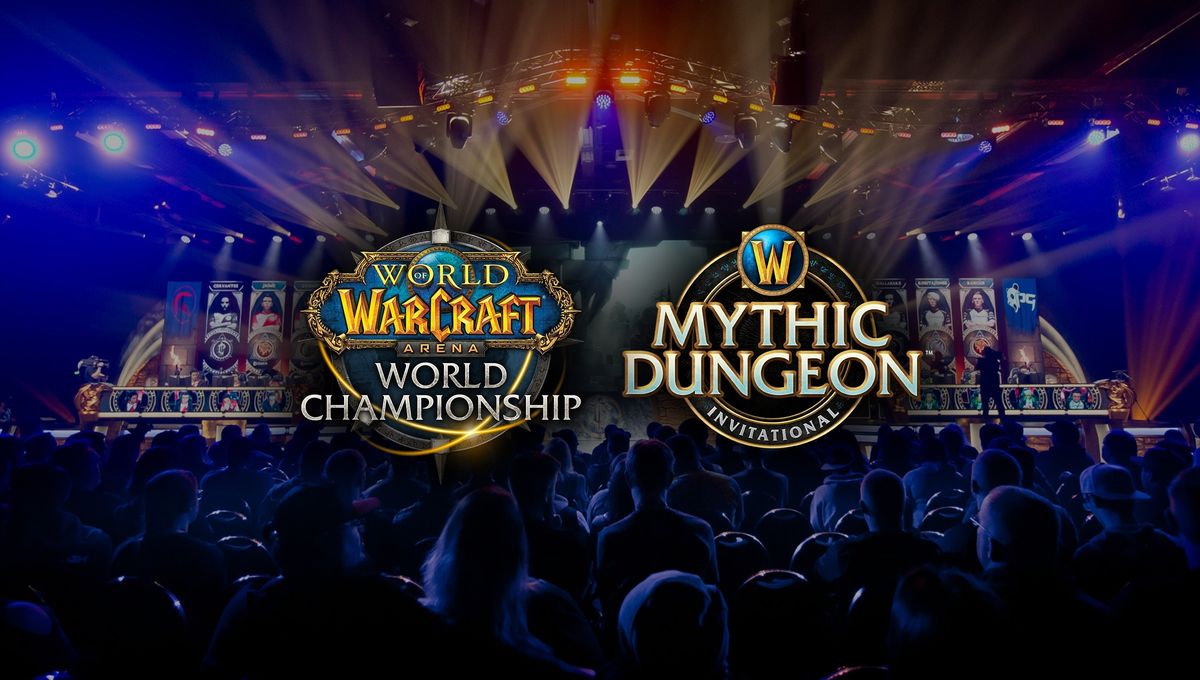
Some of the game's most significant challenges are designed for groups. Dungeons, also called instances, are private copies of an area for a group of up to five players. Larger challenges require raids, which can involve up to forty players working together to defeat powerful bosses. An important community driven event is the Race to World First, where guilds compete to be the first to clear a new raid on its hardest difficulty, Mythic. This competition has gained notable followings, with esports organizations like Team Liquid sponsoring successful guilds.
Player versus player combat is a major component. Beyond open world skirmishes enabled by War Mode, structured PvP takes place in Battlegrounds. These are instanced areas with specific objectives, such as capturing a flag. Competing in Battlegrounds rewards players with honor points and tokens used to purchase specialized gear. Winning a match yields greater rewards than losing, and players also earn honor for defeating opponents within the battleground.
A Living, Evolving Setting
The game setting of Azeroth is expansive and dynamic. It initially consisted of the continents of Kalimdor and the Eastern Kingdoms. Expansions have added new areas like Outland, Northrend, Pandaria, and Draenor. Players travel using a network of flight paths, boats, zeppelins, and portals. The setting features variable weather effects and hosts seasonal events tied to real world holidays like Halloween and Christmas, which are represented in game as Hallow's End and Winter Veil.
Major cities and towns offer essential services. Players can access banks for personal and guild storage, with additional space purchasable with in game gold. Auction houses allow players to buy and sell items with each other. Mailboxes are ubiquitous, used for sending messages, currency, and items, including those won at auction. This infrastructure supports the game's economy and social interactions, making the setting feel alive and interconnected.
Expansions and Longevity
World of Warcraft's lasting presence is supported by a steady release of major expansion packs. Since its launch, the game has seen eleven expansions, including The Burning Crusade, Wrath of the Lich King, and more recent ones like Dragonflight. Future expansions, The War Within, Midnight, and The Last Titan, have been announced, with content planned into 2027. These expansions introduce new continents, storylines, character levels, and gameplay systems, continually refreshing the experience.
The game's success is historic. It reached a peak of 12 million subscribers in 2010 and had over one hundred million registered accounts by 2014. By 2017, the franchise had grossed over 9.23 billion dollars in revenue. To cater to different player preferences, Blizzard launched World of Warcraft Classic in 2019, offering the original 2004 game experience. A separate third branch, World of Warcraft Forever, which expands the original setting with new content, is scheduled for release in November 2026.
FAQ
When was World of Warcraft released?
World of Warcraft was released on November 23, 2004. The game was announced in 2001 and launched for the 10th anniversary of the Warcraft franchise.
How many expansions does World of Warcraft have?
World of Warcraft has had eleven major expansion packs since its launch, with more announced for future release. The first was The Burning Crusade in 2007, and a recent one is Dragonflight from 2022.
What is the Race to World First?
The Race to World First is an unofficial community event where guilds compete to be the first to defeat every boss in a new raid on the hardest difficulty, Mythic. It is a widely followed competition, with esports organizations sometimes sponsoring participating guilds.
Can you play World of Warcraft for free?
A trial account allows players to experience the game up to character level 20, but with many features locked. For continued play beyond that, a paid subscription is required.
What is World of Warcraft Classic?
World of Warcraft Classic is a version of the game launched in 2019 that allows players to experience the original 2004 base game without any expansions. It uses the original game assets within a modernized client server framework.
Source: English Wikipedia (CC BY-SA), rewritten by the Redington Cybersport desk.