Hearthstone
Hearthstone is a free-to-play digital collectible card game developed by Blizzard Entertainment, set within the Warcraft universe. Since its 2014 release, it has grown into a major esport with a massive player base and a structured competitive scene featuring significant prize pools. The game's accessible yet strategic turn-based gameplay has made it a foundational title in the digital card game genre.
| Developer | Blizzard Team 5 |
|---|---|
| Publisher | Blizzard Entertainment |
| Release Date | 2014 |
| Platforms | Windows, macOS, iOS, Android |
| Game Type | Digital Collectible Card Game |
| Player Count | Over 100 million (as of Nov 2018) |
| Primary Formats | Standard, Wild, Twist |
Core Gameplay and Mechanics
Hearthstone is a turn-based card game where two players face off using constructed decks of 30 cards. Each player selects a hero from one of eleven distinct classes, each with its own hero power and class-specific cards that define their playstyle. The objective is to reduce the opponent's hero's health to zero.
Players spend mana crystals to play cards from their hand, with their mana pool increasing by one each turn up to a maximum of ten. This system forces players to plan their turns strategically, considering the cost and synergy of their cards. The game features five card types: minions, spells, weapons, hero cards, and locations. Minions are summoned to the board to attack, often with special abilities like Charge or Deathrattle. Spells and other cards provide various instantaneous effects to control the battlefield.
A key design philosophy was to streamline play by eliminating any manual reactions from the opponent during a player's turn, setting it apart from physical card games. Each turn has a timer to keep matches moving at a brisk pace. Cards are obtained by opening packs purchased with in-game gold or real money, or by crafting them with Arcane Dust, a resource earned from disenchanting unwanted cards.
Game Modes and Formats
Hearthstone offers a variety of modes to suit different playstyles. The primary competitive formats are Standard, Wild, and Twist. The Standard format uses a curated Core set and cards from expansions released in the last two years, with sets rotating out annually. Wild format allows the use of all cards ever released, subject to standard deck construction rules. Twist is a regularly adjusted format with curated card pools and special rulesets that change each season.
Within these formats, players can choose between Casual and Ranked modes. Ranked play features a tiered ladder system where players climb ranks each month to earn seasonal rewards based on their performance. Other permanent multiplayer modes include Arena, a draft mode where players build a deck from random card choices and compete until they achieve a set number of wins or losses, and Tavern Brawl, a weekly mode with unusual, often unconventional rules.
The game also includes major standalone modes. Battlegrounds, introduced in 2019, is an auto battler where eight players recruit minions over rounds of automated combat. Mercenaries, launched in 2021, focuses on party-based combat with rock-paper-scissors style color mechanics, though it no longer receives new content updates. Several modes have been removed, including Classic mode, which replicated the game's original 2014 state, and Duels, a multiplayer version of the Dungeon Run adventures.
Expansions and the Evolving Card Pool
New content for Hearthstone is primarily delivered through expansions, which are large sets of 100 to 200 new cards released roughly three times a year. These expansions introduce new mechanics and themes, constantly refreshing the game's meta. Initially, Blizzard alternated between large expansions and smaller, story-driven Adventures that awarded around 30 cards for completing single-player challenges. Since 2017, the focus shifted exclusively to expansions, with smaller mini-sets of a few dozen cards introduced between major expansions starting in 2021 as a replacement for Adventures.
To manage the growing card pool and prevent power creep, Blizzard uses a yearly rotation system for the Standard format. Each year, the oldest expansions from the current two-year cycle retire from Standard, moving to the Wild format where all cards are legal. The Core set is also periodically updated, rotating older cards out and bringing in new ones from past expansions to keep the foundational card pool fresh and balanced.
Development and Design Philosophy
Hearthstone was conceived as an experimental project by a smaller Blizzard team, dubbed Team 5. The development was inspired by a company-wide love for collectible card games and a desire to create something different from Blizzard's large-scale franchises. The team started with just 12 to 15 members, growing to 47 by late 2015.
The team naturally anchored the game in the rich Warcraft lore, leveraging its well-known characters and locations. They also drew concepts and art assets from the physical World of Warcraft Trading Card Game. A core design goal was accessibility. The team used the Unity engine and crafted a user interface to be charming and intuitive, mimicking the tactile feel of a physical card game to draw in new players.
Key gameplay decisions were made to streamline the digital experience. The team eliminated the ability for opponents to react during a player's turn, a common feature in physical card games that they felt slowed down online play. They focused on making card text immediately understandable and incorporated visual cues to guide players. This approach ensured the game was easy to learn but offered deep strategic possibilities as players progressed.
Hearthstone as an Esport
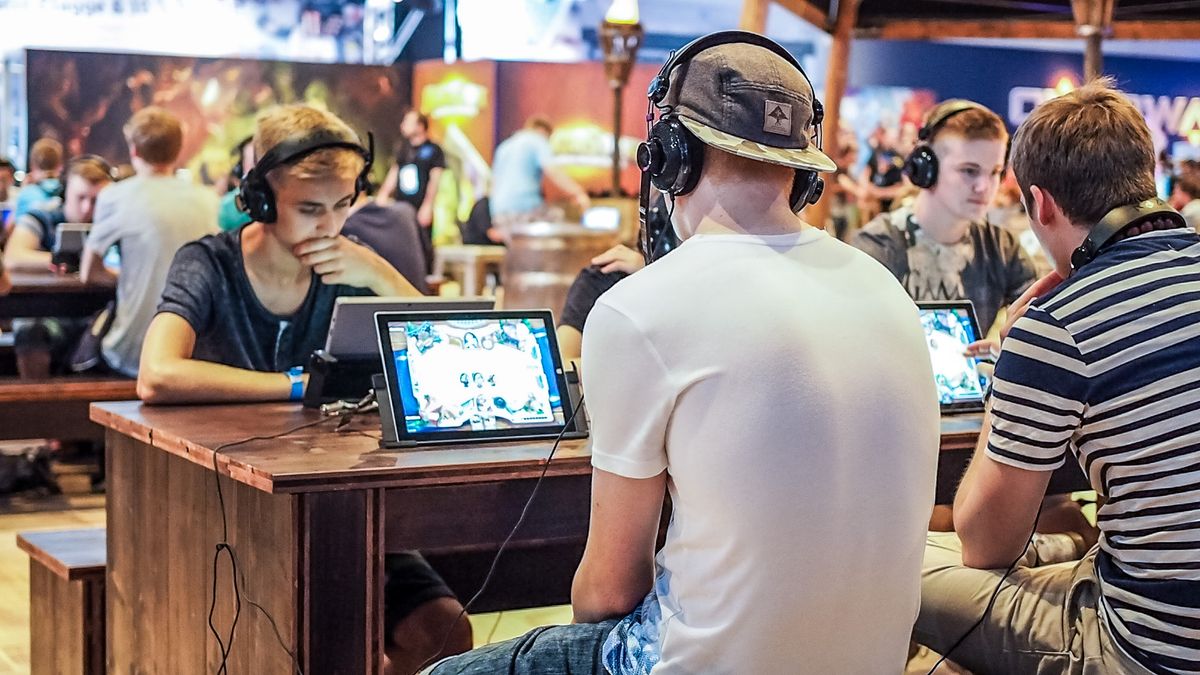
Hearthstone's competitive scene has been a significant part of its identity since its early years. The game's blend of accessible rules and deep strategy made it well-suited for tournament play. Blizzard and third-party organizers host cash prize tournaments that attract top players from around the world.
The structured formats, particularly Standard and its annual rotations, create a dynamic competitive environment where the meta-game constantly evolves. This requires players to be adept at deck building, adaptation, and predicting opponent strategies. The success of these tournaments and the game's large player base of over 100 million have kept Hearthstone's position as a premier title in competitive digital card gaming.
FAQ
Is Hearthstone free to play?
Yes, Hearthstone uses a freemium model. Players can download and play the game for free, earning in-game gold and cards through gameplay. Optional microtransactions allow players to buy card packs or other content more quickly.
What are the main formats in Hearthstone?
The primary constructed formats are Standard, which uses cards from the last two years of expansions and a Core set, and Wild, which allows all cards ever released. A third format called Twist features regularly changing rules and curated card pools.
What is Battlegrounds?
Battlegrounds is a standalone auto battler mode within Hearthstone, introduced in November 2019. Eight players compete by recruiting minions over several rounds of automated combat, with the goal of being the last hero standing. The top four players earn a win and rating points.
How often does Hearthstone release new cards?
Blizzard releases major expansions of new cards approximately every four months, totaling about three per year. Since 2021, smaller mini-sets of cards have also been released between these major expansions.
Can I play Hearthstone on my phone?
Yes, Hearthstone is available on iOS and Android mobile platforms, as well as on Windows and macOS computers. The game supports cross-platform play, allowing players on different devices to compete against each other.
Source: English Wikipedia (CC BY-SA), rewritten by the Redington Cybersport desk.