Brian Kibler
Brian Kibler is an American professional card game player, game designer, and broadcaster known for his success in Magic: The Gathering and Hearthstone. A two-time Magic Pro Tour champion and Hall of Famer, he is also a figure in game design and streaming, noted for his diplomatic and level-headed demeanor.
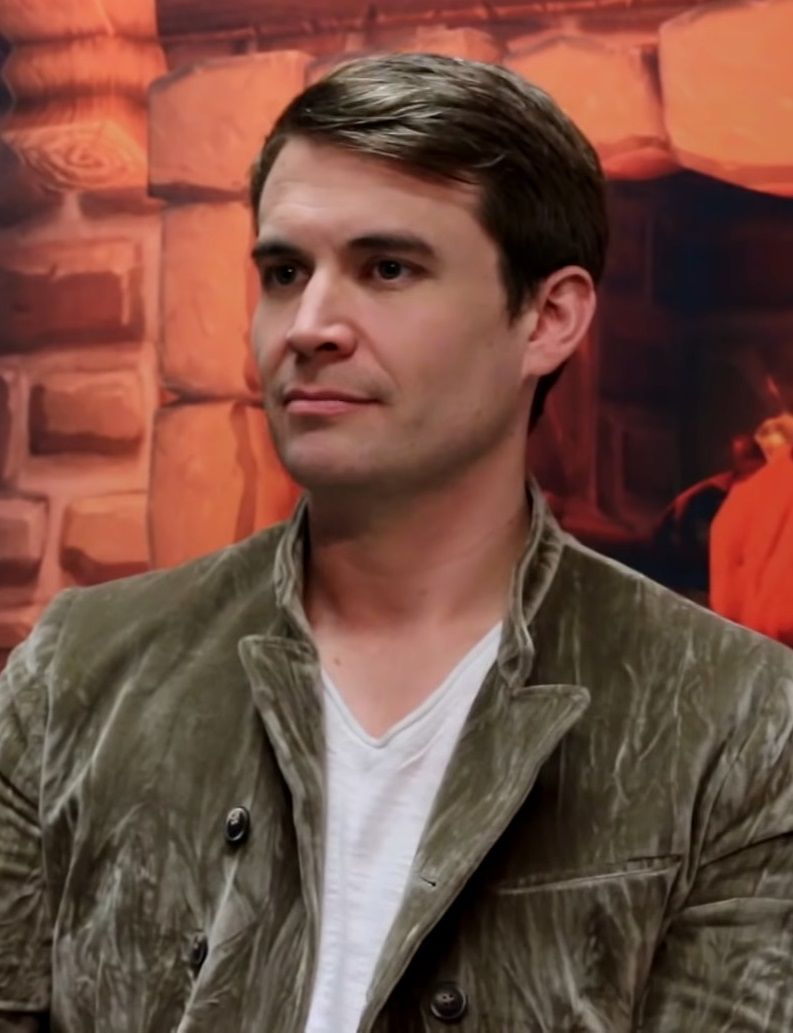
| Full Name | Brian McCormick Kibler |
|---|---|
| Born | September 7, 1980 |
| Nationality | American |
| Games | Magic: The Gathering, Hearthstone |
| Role | Player, Designer, Streamer |
| Pro Tour Wins | 2 (Austin 2009, Honolulu 2012) |
| Pro Tour Top 8s | 5 |
| Grand Prix Top 8s | 13 (3 wins) |
| Hall of Fame | Inducted 2010 |
| Hearthstone Earnings | $111,650 (from 25 tournaments) |
Early Magic Career and The Dragonmaster
Brian Kibler's professional card game journey began at age fifteen with a 30th place finish in the Junior Division at the first ever Pro Tour in New York in 1996. He would not qualify for the senior Pro Tour until the following season. His major breakthrough came in 1997 when he won Grand Prix Toronto, a victory notable as all his opponents in the Top 8, including Mike Turian, Matt Place and Erik Lauer, would later work for Wizards of the Coast. This win qualified him for Pro Tour Chicago 1997.
Kibler earned his enduring nickname, The Dragonmaster, at Pro Tour Chicago 2000 during his first Pro Tour Top 8 appearance. He defeated top players Jon Finkel in the Swiss rounds and Zvi Mowshowitz in the quarterfinals using a combination of the dragon Rith, the Awakener and Armadillo Cloak. He finished third after losing to Kai Budde in the semifinals. This remained his best Pro Tour result before he initially stepped away from competitive Magic at the end of the 2004 season. In 2005, Wizards of the Coast commemorated Kibler as one of a small number of players with a special Pro Player collectible card.
Hall of Fame Return and Pro Tour Dominance
After taking several years away from Magic, during which he worked for Wizards' direct competitor Upper Deck, Kibler returned to the game in 2009. A key motivation was his desire to be inducted into the Magic Hall of Fame, which had been established the year after his initial retirement. His comeback was spectacular, making consecutive Pro Tour Top 8s immediately upon his return.
He first reached the Top 8 at Pro Tour Honolulu, then won his first Pro Tour title at Pro Tour Austin later in 2009, defeating Tsuyoshi Ikeda in the finals. His high performance that year placed him in the top 10 of the Pro Tour standings, securing him invites to major championships, free air travel, and a guaranteed appearance fee for all 2010 events. He also placed tied for 6th in the player committee vote for the 2009 Hall of Fame, carrying about 20 percent of the vote.
In 2010, his success continued with a third Grand Prix title, another Pro Tour Top 8, and finally his induction into the Hall of Fame as part of the Class of 2010 alongside Gabriel Nassif and Bram Snepvangers.
Kibler's second Pro Tour victory came at Pro Tour Dark Ascension in Honolulu in 2012. In a Top 8 featuring other Hall of Famers Jon Finkel and Jelger Wiegersma, he defeated Finkel in a semifinal match widely praised by commentators as among the best in Magic history. He then beat his teammate Paulo Vitor Damo da Rosa in a close 3-2 finals. This win secured his place in the first Magic Players Championship. Later that year, he also became the United States National Champion by being the top American in Pro Points after Pro Tour Avacyn Restored, leading the national team to a 12th place finish at the inaugural World Magic Cup.
Success in Other Card Games
Beyond Magic, Kibler has been a champion in other trading card game systems. In August 2004, he won the inaugural VS System Pro Circuit event, taking home $40,000 and securing his place in history as that game's first champion. This victory occurred just before his initial retirement from Magic.
He also achieved prominence in the digital card game Hearthstone. He won the ChallengeStone tournaments in May 2015 and at BlizzCon in November 2016, and took second place in the GEICO Brawl #1 in July 2015. As of available data, his Hearthstone tournament winnings totaled $111,650 from 25 events. His largest single prize was $26,250 for a first-place finish in the Battlegrounds Brawl in November 2019, which made up 23.51 percent of his total Hearthstone earnings. He reached the $100,000 milestone in Hearthstone winnings in November 2020 after winning $22,000 for a first-place finish at the Darkmoon Duel-Fest.
Broadcasting and Community Impact
Kibler became a popular streamer on Twitch and a commentator for major Hearthstone tournaments, including BlizzCon and Championship events. He built a reputation in the community for being diplomatic, level-headed, and rarely showing anger during gameplay, preferring the Constructed format over Arena. His community regards him as a highly watchable streamer and an excellent teacher of the game.
In October 2019, Kibler announced he would no longer work with Blizzard as a commentator following their controversial penalty against competitor Ng Wai Chung. Kibler stated that while he agreed Blizzard should issue a penalty for the player's statements, the actual penalty was too harsh. As a result, he said he could realistically never work with Hearthstone esports again, though he continued to stream the game personally.
Career as a Game Designer
Parallel to his playing career, Kibler has been a successful game designer. His design credits include co-designing the deck-building game Ascension: Chronicle of the Godslayer with Justin Gary, Rob Dougherty, and John Fiorillo. He also worked on the games Chaotic and SolForge. A significant achievement was his role as the lead designer for the World of Warcraft Trading Card Game during his time at Upper Deck, Wizards of the Coast's direct competitor.
His work in design reflects a deep understanding of game mechanics that complemented his analytical skills as a top-level player. This dual expertise in both playing and creating card games defines his career.
Personal Life and Legacy
Brian Kibler grew up in Hampstead, New Hampshire and attended Phillips Academy in Andover, Massachusetts, a boarding school. His time there was almost cut short his lower year when he qualified for a professional Magic tournament in Dallas. He later studied Philosophy and Religion at Emory University in Atlanta, Georgia. He married Natalie Warren in October 2014, and they announced their separation in December 2019. In September 2025, he proposed to Olivia Gobert-Hicks live on stage at MagicCon Las Vegas.
Kibler's legacy in esports is defined by his elite success across physical and digital card games. His career tournament winnings in Magic alone were $279,747 as of 2017, placing him 11th on the all-time earnings list at that time, and 18th as of 2018. With 5 Pro Tour Top 8s, 13 Grand Prix Top 8s including 3 wins, and two Pro Tour championships, his competitive record is among the most respected. Combined with his contributions to game design and his influential, steady presence as a broadcaster, Brian Kibler remains a central figure in competitive card games.
FAQ
How many Pro Tours has Brian Kibler won?
Brian Kibler has won two Magic: The Gathering Pro Tours. He won his first at Pro Tour Austin in 2009 and his second at Pro Tour Dark Ascension in Honolulu in 2012.
Why is Brian Kibler called The Dragonmaster?
He earned the nickname The Dragonmaster at Pro Tour Chicago 2000 after defeating top players Jon Finkel and Zvi Mowshowitz using a combination of the dragon card Rith, the Awakener and Armadillo Cloak during his first Pro Tour Top 8 run.
Is Brian Kibler in the Magic: The Gathering Hall of Fame?
Yes, Brian Kibler was inducted into the Magic: The Gathering Hall of Fame in 2010 as part of the class that also included Gabriel Nassif and Bram Snepvangers.
What games has Brian Kibler designed?
Kibler has worked on several games as a designer. He co-designed Ascension: Chronicle of the Godslayer, worked on Chaotic and SolForge, and was the lead designer for the World of Warcraft Trading Card Game.
Why did Brian Kibler stop commentating for Hearthstone?
In October 2019, Kibler stopped working with Blizzard as a Hearthstone commentator following their controversial decision to ban a competitor. He agreed a penalty was warranted but felt the actual penalty was too harsh, stating he could realistically never work with Hearthstone esports again.
Source: English Wikipedia (CC BY-SA), rewritten by the Redington Cybersport desk.