Pro Evolution Soccer 2
Pro Evolution Soccer 2, known as World Soccer: Winning Eleven 6 in many regions, is the second entry in Konami's acclaimed football simulation series. Released in 2002, it is celebrated for its deep gameplay and was a commercial and critical success, often cited among the greatest football games ever made.
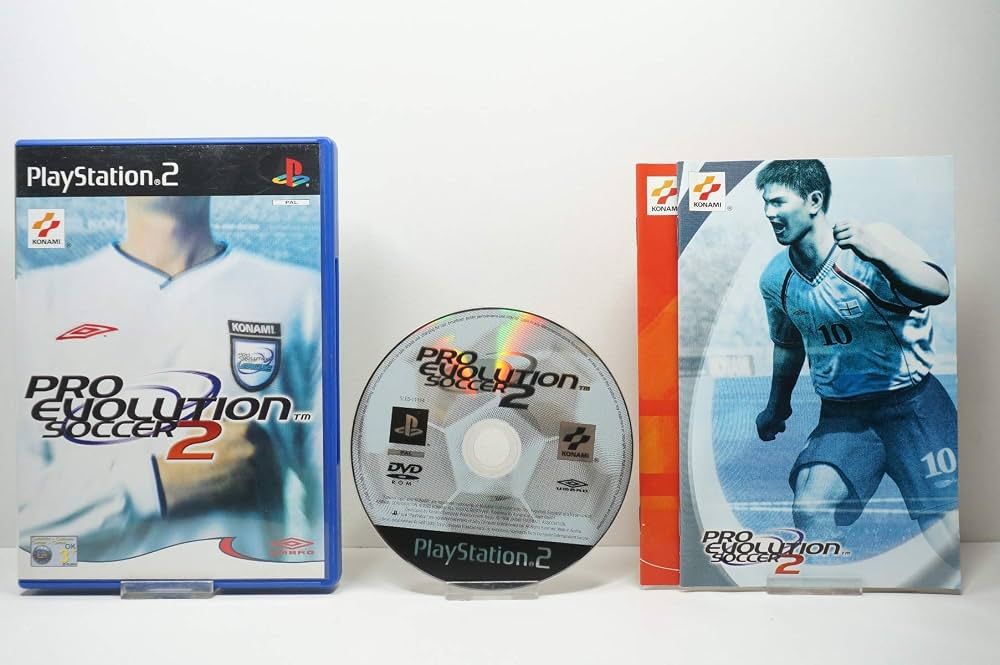
| Also known as | World Soccer: Winning Eleven 6 |
|---|---|
| Developer | Konami |
| Release | 2002 |
| Platforms | PlayStation, PlayStation 2, GameCube |
| Predecessor | Pro Evolution Soccer |
| Successor | Pro Evolution Soccer 3 |
| Sales (Japan, PS2) | Over 1.79 million units |
| Award | Best Console Game at ECTS 2002 |
A Defining Release
Pro Evolution Soccer 2 arrived in 2002 as an important step in the series' development. It was the final game in the series released for the original PlayStation and the only one to appear on the Nintendo GameCube, though that version was a Japan-exclusive update called Final Evolution. The game built upon its predecessor with refined mechanics, setting a new standard for football simulations and beginning to challenge EA's FIFA series for market dominance, particularly in Europe.
Its impact was immediate. In Japan, the PlayStation 2 version sold over a million units in just eight weeks. In Europe, it initially outsold its direct competitor, FIFA Football 2003, moving more than a million copies in its first 40 days and topping the UK all-formats chart. This success was recognized with a Platinum sales award from ELSPA in the UK and the title of Best Console Game at the European Computer Trade Show in 2002.
Gameplay and Features
PES 2 offered a comprehensive football experience built around its sophisticated on-pitch simulation. Critics and players praised its realistic player movement, animations, and shooting physics, which helped shape the core identity of the Pro Evolution Soccer series for years to come. The game was lauded as the best football title available on the original PlayStation and remains highly playable today.
The game featured six main modes, including single matches, training, various cup tournaments, and the deeply engaging Master League. In Master League, players could select a team, compete in multiple competitions, and manage transfers. A total of 40 unlicensed club teams and 56 unlicensed national teams were available, with the Japanese national team being the only fully licensed squad. The English commentary was provided by Peter Brackley and Trevor Brooking, who replaced the commentators from the first game.
Critical and Commercial Reception
The PlayStation 2 version of PES 2 received universal acclaim from critics. In Japan, the influential magazine Famitsu awarded the original and Final Evolution versions a high score of 36 out of 40. By the end of 2002, combined sales of the two PS2 versions in Japan had reached over 1.5 million units.
Globally, the game was a major hit. While FIFA 2003 eventually overtook it in European sales by the end of the year, PES 2's strong launch demonstrated its growing popularity. In the United States, where it was sold as Winning Eleven 6, it moved nearly 60,000 copies. Worldwide sales are confirmed to have exceeded 2.85 million units. The game's status was confirmed in 2019 when a poll by SPORTbible voted it the greatest football video game of all time.
Legacy and Influence
Pro Evolution Soccer 2 is remembered as a foundational title that confirmed the series' reputation for superior gameplay over its rival. Its success proved that a simulation-focused football game could achieve mainstream popularity and critical recognition. The game was even nominated for Console Sports Simulation Game of the Year at the 7th Annual Interactive Achievement Awards.
The title also holds a place in broader esports history. While PES 2 itself was not part of a formal esports circuit, the Pro Evolution Soccer series it helped establish would later become a platform for official competition. Konami has run an annual esports world championship for the series, known as the PES League or eFootball.Open, since 2010, building on the competitive community that games like PES 2 helped to foster.
Cultural Footprint
Beyond its sales and reviews, PES 2 left a distinct cultural mark. The game's opening theme was the Queen track We Will Rock You, a choice so memorable that Konami reused it in Pro Evolution Soccer 2016 over a decade later. The Japanese version featured footballer Masashi Nakayama on its cover, aligning it with local football culture.
For many players, the experience of building a team in Master League or mastering the nuanced controls created lasting memories. The game's design philosophy, prioritizing responsive and realistic gameplay over official licenses, defined the series' appeal for a generation of fans and influenced the design of football games that followed.
FAQ
What is Pro Evolution Soccer 2?
Pro Evolution Soccer 2, also known as World Soccer: Winning Eleven 6, is the second installment in Konami's football simulation video game series, released in 2002 for PlayStation, PlayStation 2, and GameCube.
How well did PES 2 sell?
The game was a major commercial success. In Japan, the PS2 versions sold over 1.79 million units. In Europe, it sold over a million copies in 40 days, initially outselling FIFA 2003. Global sales exceeded 2.85 million units.
What game modes were in PES 2?
The game featured six modes including single matches, training, cup tournaments, and the Master League, where players could manage a team through competitions and the transfer market. It included 40 club teams and 56 national teams, though most were unlicensed.
Did PES 2 win any awards?
Yes, it was awarded Best Console Game at the European Computer Trade Show in 2002. It was also nominated for Console Sports Simulation Game of the Year at the 7th Annual Interactive Achievement Awards.
Why is PES 2 considered significant?
PES 2 is celebrated for refining the series' realistic gameplay, challenging FIFA's market dominance, and achieving critical acclaim. In a 2019 poll, it was voted the greatest football video game of all time.
Source: English Wikipedia (CC BY-SA), rewritten by the Redington Cybersport desk.