Counter-Strike: Global Offensive
Counter-Strike: Global Offensive (CS:GO) is a tactical first-person shooter that defined a generation of esports. As the fourth main entry in the Counter-Strike series, it built upon a legacy of precise, team-based gameplay to become one of the world's most popular and enduring competitive titles. Its transition to a free-to-play model and subsequent evolution into Counter-Strike 2 marked the end of an era for a foundational esports game.
| Developer | Valve, Hidden Path Entertainment |
|---|---|
| Release | August 2012 |
| Platforms | Windows, OS X, Linux, PlayStation 3, Xbox 360 |
| Primary Mode | Competitive (5v5 bomb defusal) |
| Notable Feature | Weapon skins and virtual economy |
| Major Update | Counter-Strike 2 released September 2023 |
| Business Model | Free-to-play (since December 2018) |
| Engine | Source (upgraded to Source 2 in 2023) |
Core Gameplay and Modes
Counter-Strike: Global Offensive is an objective-based, multiplayer first-person shooter. Two teams, Terrorists and Counter-Terrorists, compete in short rounds to complete objectives such as planting or defusing a bomb, or rescuing hostages. At the end of each round, players earn in-game currency based on performance to buy weapons and equipment for the next round. Winning rounds and completing objectives grants more money.
The game launched with nine official game modes. The primary experience is Competitive mode, a best-of-30 match for teams of five players where participants are matched based on a skill ranking system. Casual and Deathmatch modes offer less serious environments, often used for practice. Arms Race is a variant of 'Gun Game' where players get new weapons after each kill, while Demolition is a bomb defusal mode with weapon upgrades for successful players.
Other modes include Wingman for two-on-two matches, Flying Scoutsman which limits players to sniper rifles in low gravity, and Retakes which simulates a bomb site retake scenario. A battle-royale mode called Danger Zone was added in late 2018, featuring up to 18 players fighting to be the last one standing. An offline Weapons Course was also included to help new players learn the basics.
Weapons, Economy, and Matchmaking
Players can purchase weapons from five categories: rifles, submachine guns, heavy weapons like shotguns and machine guns, pistols, and grenades. A defining feature of the series is that each gun has its own recoil pattern that players can learn to control. CS:GO introduced new equipment not seen in earlier games, including tasers and incendiary grenades.
In-game matchmaking for all online modes is managed through Steam. Valve Anti-Cheat runs on official servers to prevent cheating. A key feature introduced later was Prime Matchmaking, which required a verified phone number linked to the account. This system aimed to create more balanced matches with fewer cheaters or high-skilled players using alternate accounts, a practice known as smurfing. The PC version also supports private, community-hosted servers where players can use custom maps and game modes, such as the popular Kreedz Climbing obstacle course mod.
Development and Launch
Development of Counter-Strike: Global Offensive began in March 2010. The project started when Hidden Path Entertainment was attempting to port Counter-Strike: Source to consoles. Valve saw potential in this effort and expanded it into a full game. It was revealed to the public in August 2011, with a closed beta starting that November for a limited number of players. Professional Counter-Strike players were invited to play-test and provide feedback.
The game was released on August 21, 2012, for Windows, OS X, PlayStation 3, and Xbox 360. A Linux version followed in September 2014. Initial plans for cross-platform multiplayer between PC and consoles were dropped to allow the PC versions to be updated more actively. The game received positive reviews at launch for its gameplay and faithfulness to the series, though it faced some criticism over early features and differences between the PC and console versions.
Post-Launch Updates and the Skin Economy
Valve consistently updated CS:GO with new content. One of the most significant updates was the 'Arms Deal' in August 2013, which introduced cosmetic weapon finishes, or skins. These items are obtained through a loot box system where players can unlock cases with virtual keys purchased via microtransactions. The game integrated the Steam Workshop, allowing community creators to design skins, maps, and modes. Popular user-created skins were added to official cases, with their creators receiving payment.
This system created a massive virtual economy around skin trading, gambling, and betting sites, and is credited with significantly boosting the game's player count past its predecessors. Other major updates included occasional 'Operations', which were purchasable expansion passes granting access to special objectives and community-made maps. Music kits, which change in-game music, were added in 2014, and glove skins were introduced in 2016.
Free-to-Play Transition and Later Years
In December 2018, Valve transitioned CS:GO to a free-to-play model. Players who had bought the game earlier were automatically upgraded to Prime status. This update also introduced the battle royale mode Danger Zone and a new user interface called Panorama. Another major matchmaking system, the Trust Factor, was introduced in 2017. It uses hidden metrics based on a player's in-game and broader Steam behavior to match them with similarly trustworthy players.
The game was officially released in mainland China in September 2017 through a partnership with Perfect World, featuring localized content and censorship to comply with regulations. In April 2020, source code from a 2018 version of the game was leaked online, raising security concerns, though Valve stated it did not impact the security of the latest official builds. The final major operation, Operation Broken Fang, was released in December 2020.
Legacy and Transition to Counter-Strike 2
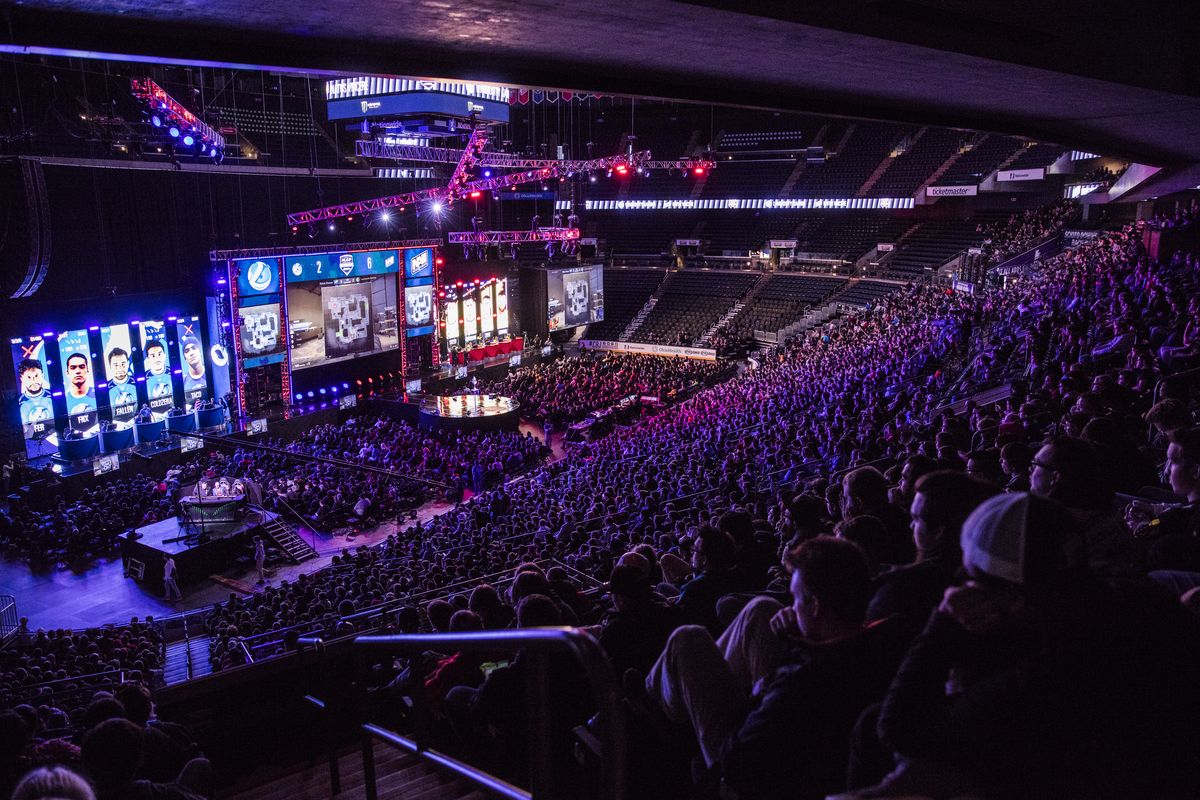
Counter-Strike: Global Offensive maintained an active esports scene, continuing the series' history of international competition. It drew an estimated 11 million players per month and remained one of the most played games on Steam. The game's competitive integrity, deep tactical gameplay, and thriving skin economy confirmed its status as a pillar of modern esports.
In March 2023, Valve announced Counter-Strike 2, a major update migrating the game to the Source 2 engine. Upon its release in September 2023, official matchmaking for CS:GO was shut down, though community servers remain accessible. The original game is still playable on PlayStation 3 and Xbox 360. This update marked the end of CS:GO's era as the primary competitive title, succeeded by its technologically advanced successor.
FAQ
When was Counter-Strike: Global Offensive released?
Counter-Strike: Global Offensive was released on August 21, 2012, for Windows, OS X, PlayStation 3, and Xbox 360. The Linux version was released later, in September 2014.
What is the main competitive game mode in CS:GO?
The primary competitive mode is a five versus five bomb defusal match played over a best-of-30 rounds. Players are matched based on a skill ranking system in this mode.
What are weapon skins in CS:GO?
Weapon skins are cosmetic finishes for guns introduced in the 2013 'Arms Deal' update. They are obtained through a loot box system and can be traded, creating a large virtual economy. Popular skins are often designed by community creators.
When did CS:GO become free to play?
Valve transitioned CS:GO to a free-to-play model on December 6, 2018. Existing owners were automatically granted Prime status, and the update also added the Danger Zone battle royale mode.
What happened to CS:GO after Counter-Strike 2 came out?
Counter-Strike 2, a major update to the Source 2 engine, was released in September 2023. Official matchmaking for CS:GO was shut down at that time, though the game remains playable on community servers and on PlayStation 3 and Xbox 360 consoles.
Source: English Wikipedia (CC BY-SA), rewritten by the Redington Cybersport desk.