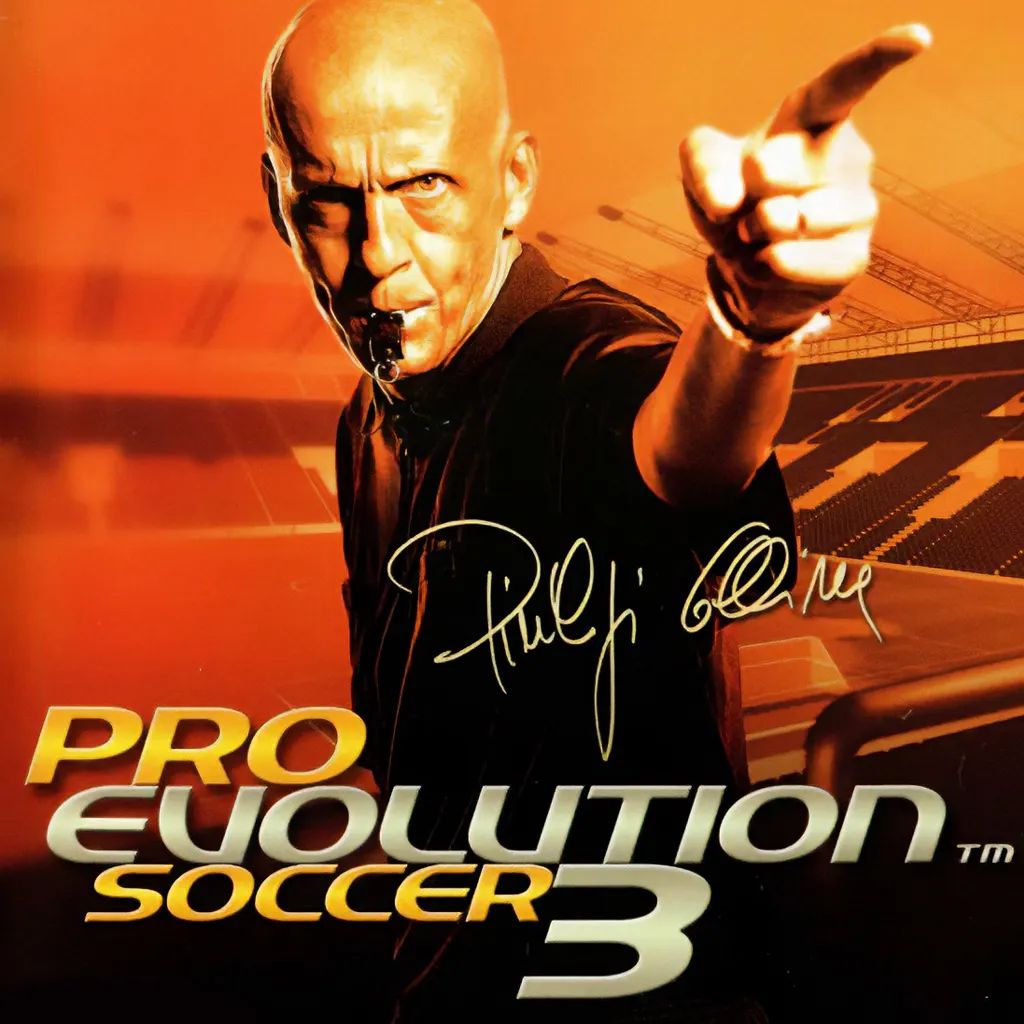
Pro Evolution Soccer 3
Pro Evolution Soccer 3, released in 2003, is a significant football simulation from Konami that confirmed the series' reputation for deep gameplay. Its commercial success and critical acclaim set the stage for the Pro Evolution Soccer franchise's future role in competitive gaming.
| Developer | Konami |
|---|---|
| Release Date | 2003 |
| Platforms | PlayStation 2, Microsoft Windows |
| Series | Pro Evolution Soccer |
| Japanese Title | World Soccer: Winning Eleven 7 |
| North American Title | World Soccer: Winning Eleven 7 International |
| Total Prize Money (Esports) | $25,000.00 |
| Tournaments Recorded | 2 |
| Cover Star (Europe) | Pierluigi Collina |
A Defining Release
Pro Evolution Soccer 3 arrived in 2003 as an important entry for Konami's football series, first on PlayStation 2 and later as the franchise's debut on PC. It built upon its predecessors with a new graphics engine, refined ball physics, smarter AI, and smoother animations, pushing the simulation closer to what fans called interactive reality. The game also introduced a Shop mode for unlocking content and significantly expanded the popular Master League into a four-division structure.
Its European cover was a conversation starter, featuring the referee Pierluigi Collina instead of a player or manager. This was an unusual choice, especially as referees were only present in cutscenes within the game itself. The move highlighted the series' focus on authenticity and its own identity within the sports genre.
Licensing and Presentation
Like earlier entries, Pro Evolution Soccer 3 operated with limited official licenses. It featured 64 clubs from across Europe, but only six were fully licensed with real names, logos, and kits. These were the Italian Serie A sides Milan, Roma, Juventus, Lazio, and Parma, plus Dutch club Feyenoord. All other clubs used fictionalized identities.
Player names were also affected by licensing. While players on licensed clubs were real, those from unlicensed national teams had invented names. This led to the now-famous pseudonyms for stars like Ruud van Nistelrooy, who appeared as Von Mistelroum, and Oliver Kahn, listed as Kalm. This quirk became a memorable part of the game's charm for its dedicated fanbase.
Commercial and Critical Success
The game was a massive commercial hit, particularly in Europe. It sold one million copies on its first day of release, setting a launch record. By November 2003, the PlayStation 2 version had already surpassed one million units sold. Italy was a standout market, purchasing over 200,000 copies in under a month for revenues of 8 million euros.
By the end of 2003, total PS2 sales reached 2.71 million units, with 1.16 million sold in Japan and 1.55 million in Europe. In the United Kingdom, it earned a Platinum sales award for moving at least 300,000 copies. Critical reception was overwhelmingly positive. The International version received universal acclaim on review aggregator Metacritic, and it was a runner-up for GameSpot's 2004 Best Traditional Sports Game award.
The Esports Foundation
While large-scale official esports for the series began later with the PES League, now known as eFootball.Open, Pro Evolution Soccer 3 itself had a competitive scene. Data shows at least two recorded tournaments offering a total prize pool of $25,000. The game's refined mechanics, praised for their skillful dribbling and passing, created a high skill ceiling that appealed to competitive players.
This foundation of tight, realistic gameplay is why the series' style is often described as timeless. The depth offered in Pro Evolution Soccer 3 helped establish the franchise as a viable platform for competition, paving the way for the formal world championships that Konami would launch annually from 2010 onward.
Legacy and Successor
Pro Evolution Soccer 3 is remembered as the game that made the series' reputation as a premier football simulator, challenging its main rival on the strength of gameplay rather than licenses. Its sales records and critical awards proved the formula's widespread appeal. The game was succeeded in 2004 by Pro Evolution Soccer 4, which continued its evolution.
Beyond its direct sequel, PES 3's influence is felt in the enduring esports ecosystem built around the franchise. The competitive spirit it fostered among players, combined with Konami's later institutional support, ensured the Pro Evolution Soccer name remained a staple in competitive gaming for years to come.
FAQ
What platforms was Pro Evolution Soccer 3 released on?
Pro Evolution Soccer 3 was initially released for the PlayStation 2. It was also the first game in the Pro Evolution Soccer series to be released on Microsoft Windows.
Why was the referee Pierluigi Collina on the cover?
The European version featured referee Pierluigi Collina on its cover, which was unusual as sports games typically featured players or managers. This highlighted the game's focus on authenticity, though referees only appeared in cutscenes and Collina was not actually in the game.
How many real clubs were in Pro Evolution Soccer 3?
The game included 64 clubs from various European countries, but only six were fully licensed with real names and kits. These were the Italian clubs Milan, Roma, Juventus, Lazio, and Parma, plus the Dutch club Feyenoord.
How well did Pro Evolution Soccer 3 sell?
The game was a major commercial success. It sold 1 million copies on its first day in Europe. By the end of 2003, the PlayStation 2 version had sold 2.71 million units worldwide, with over 200,000 units sold in Italy alone within a month.
Was Pro Evolution Soccer 3 used in esports?
Yes, Pro Evolution Soccer 3 had a competitive scene. Data shows it was featured in at least two recorded tournaments with a total prize pool of $25,000. This helped lay the groundwork for the official PES League world championships Konami started in 2010.
Source: English Wikipedia (CC BY-SA), rewritten by the Redington Cybersport desk.