FIFA 14
FIFA 14 is a football simulation video game developed by EA Canada and published by Electronic Arts under the EA Sports label. Released in late 2013, it was a major title that bridged console generations and reinforced the FIFA series' position with its deep Ultimate Team mode and expanded global licenses.
| Developer | EA Canada |
|---|---|
| Publisher | Electronic Arts (EA Sports) |
| Release | September 2013 (PS3, Xbox 360, PC, Wii, PS Vita, 3DS, PSP, PS2), November 2013 (PS4, Xbox One) |
| Platforms | PlayStation 2, PlayStation 3, PlayStation 4, PlayStation Portable, PlayStation Vita, Xbox 360, Xbox One, Wii, Windows, Nintendo 3DS, iOS, Android, Windows Phone 8 |
| Major Game Modes | Ultimate Team, 2014 FIFA World Cup (update), Exhibition, Career |
| Notable Feature | Ignite Engine (PS4/Xbox One versions) |
| Licensed Leagues | 33 leagues, over 600 clubs |
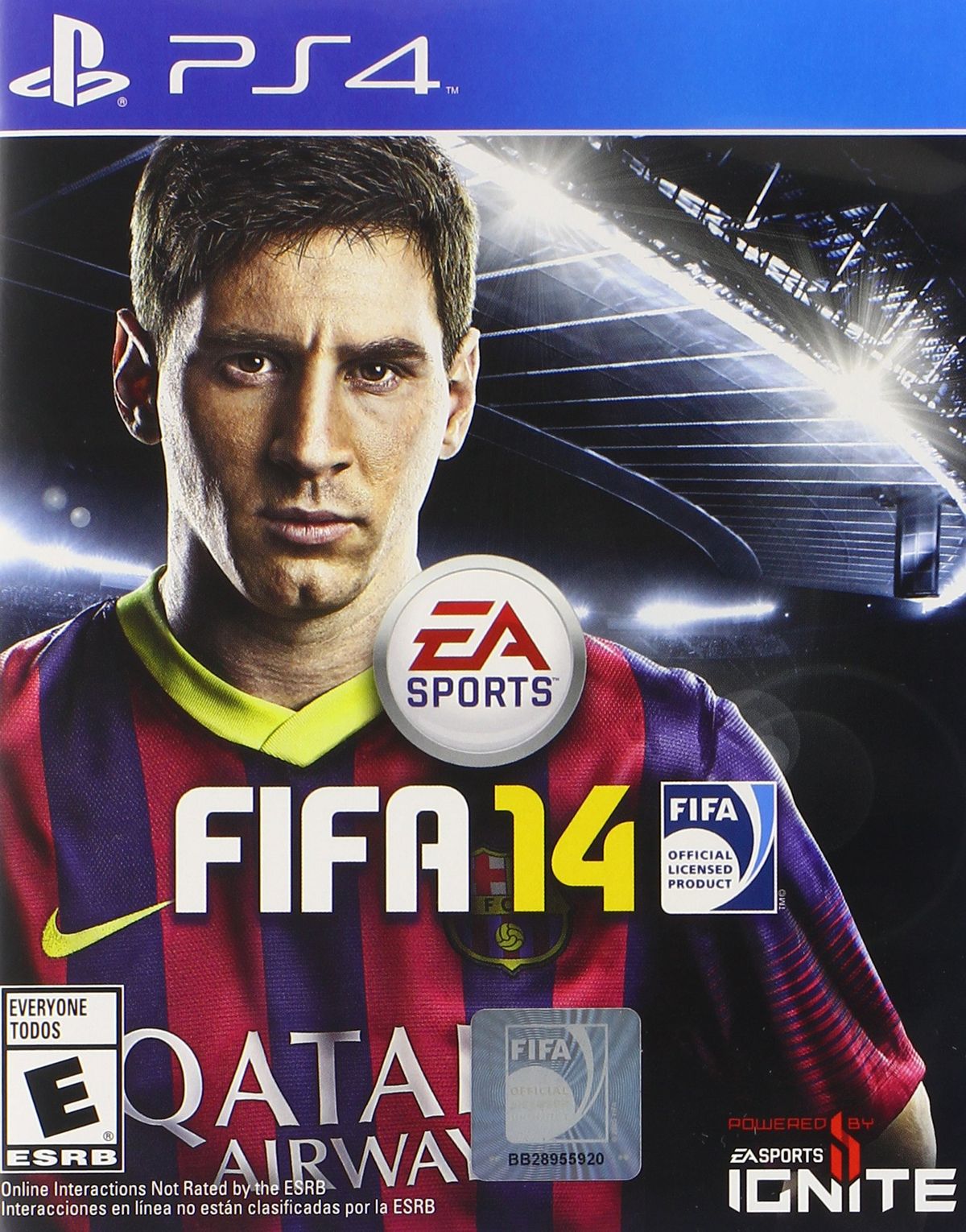
| Cover Athletes | Lionel Messi (global), regional stars including Gareth Bale, Javier Hernández, Arturo Vidal |
| Award | Sports Game of the Year (17th Annual D.I.C.E. Awards) |
A Cross-Generational Release
FIFA 14 was a widespread release, arriving on a large array of platforms. It launched in September 2013 for the PlayStation 3, Xbox 360, Windows PC, Wii, Nintendo 3DS, PlayStation Portable, PlayStation Vita, and the aging PlayStation 2. Notably, the PS2 version was only released in PAL territories and Spanish-speaking markets, marking the last game for that system in the Americas. Just two months later, in November 2013, FIFA 14 became a launch title for the new PlayStation 4 and Xbox One consoles. This made it one of the rare games to be released on three successive generations of a manufacturer's consoles nearly simultaneously.
The mobile experience was also a significant shift. Released on iOS and Android in September 2013 under the title FIFA 14 Mobile, it was the series' first free-to-play entry, though much of the game required in-app payments to access. A Windows Phone 8 version followed in February 2014. For the Wii, 3DS, PS2, PSP, and PS Vita, the game was branded as FIFA 14 Legacy Edition. These versions did not receive the core gameplay updates, instead retaining features from earlier FIFA titles with only updated kits, soundtracks, and team squads.
The Ignite Engine and Gameplay Evolution
The most significant technological leap for FIFA 14 was reserved for the new console generation. The PlayStation 4 and Xbox One versions debuted the new Ignite Engine, replacing the Impact Engine used on PS3, Xbox 360, and PC. This new foundation brought graphical and gameplay advances aimed at greater realism. It introduced advanced AI designed to make virtual players react more like humans, such as showing anxiety when their team needed a late goal.
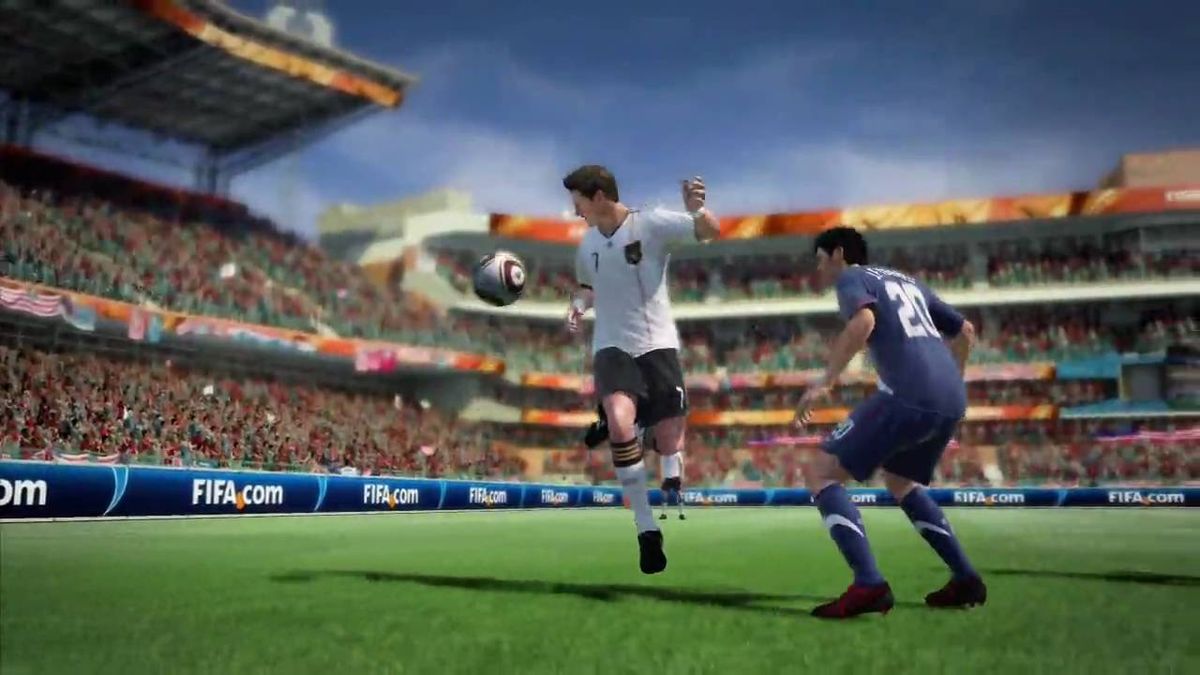
The engine also featured True Player Motion for more realistic movement and greatly enhanced environmental details. Crowds now responded to on-pitch events in a manner similar to a real stadium, lamenting near misses and reacting to the flow of the game. While initially thought to be coming to PC as well, EA Sports confirmed in May 2013 that the PC version would not use the Ignite Engine, a decision that highlighted the focus on next-gen hardware.
FIFA Ultimate Team and Exclusive Content
The FIFA Ultimate Team mode returned as a central pillar of the experience. This card-collecting team-building mode allowed players to create squads from real-world players and staff to compete online and offline. Players earned coins from matches to spend on card packs or on the transfer market, with cards tiered as bronze, silver, or gold based on player quality. Special Packs contained rare cards. Packs could be bought with earned coins or with FIFA points purchased with real money.
FUT was expanded for FIFA 14, with seasons now spanning ten divisions instead of the previous five. A major exclusive was the Legends content for Xbox One and Xbox 360 versions. When purchasing Gold Packs on these platforms, players could randomly acquire cards of famous retired stars like Pelé, George Weah, Ruud Gullit, and Dennis Bergkamp, adding a historic dimension to team building.
Licenses, Stadiums, and Presentation
FIFA 14 boasted an extensive licensed roster, featuring 33 fully licensed leagues, over 600 clubs, and more than 16,000 players. It made a major push into South America, adding the Argentine Primera División, the Chilean Primera División, and the Colombian Categoría Primera A for the first time. The game also included 47 international teams.
Over 69 stadiums were present, with 32 being real-world venues. New additions included Buenos Aires's La Bombonera, Liverpool's Goodison Park, and Shakhtar Donetsk's Donbas Arena. The Camp Nou, home of Barcelona, returned after being absent from FIFA 13 due to licensing issues. Presentation was further enhanced with new signature goal celebrations for stars like Cristiano Ronaldo, Gareth Bale, and Lionel Messi.
Global Covers and Post-Launch Support
Lionel Messi served as the global cover star, continuing from FIFA 13. However, regional covers featured a host of local stars. Gareth Bale appeared on the UK and Irish cover, which was updated from his Tottenham Hotspur kit to a Real Madrid one after his transfer. Other regional athletes included Javier Hernández for North America, Tim Cahill for Australia and New Zealand, and Arturo Vidal with Radamel Falcao for Central and South America. The PS4 and Xbox One versions used a different, static profile image of Messi for all regions.
After launch, EA released a significant free update in May 2014 for the PS4 and Xbox One versions, adding a 2014 FIFA World Cup game mode. This mode included Friendly Match, Challenge, and Ultimate Team options, allowing players to engage with that year's premier international tournament.
Critical Reception and Legacy
FIFA 14 received primarily positive reviews across all platforms. Aggregate review scores were consistently high, with the Xbox One version scoring 88 out of 100 on Metacritic and the PlayStation 4 version reaching 87. Critics praised the depth and polish of the experience. IGN's reviewer noted that while not a major innovative leap, the changes made FIFA more attacking, fun, and welcoming, calling it a stronger overall experience. GameSpot highlighted the next-gen versions for setting new standards in player control and stadium atmosphere.
Some reviewers felt the jump to next-gen was not as substantial as hoped in terms of gameplay, but most agreed it was the definitive visual and atmospheric version. The game's critical success was capped by winning Sports Game of the Year at the 17th Annual D.I.C.E. Awards, confirming it as a high point for the franchise during a major console transition.
FAQ
What was the Ignite Engine in FIFA 14?
The Ignite Engine was a new game engine exclusive to the PlayStation 4 and Xbox One versions of FIFA 14. It replaced the older Impact Engine and brought advanced AI for more human-like player reactions, True Player Motion for realistic movement, and greatly enhanced crowd and environmental realism.
What was exclusive about FIFA Ultimate Team in FIFA 14?
The Xbox One and Xbox 360 versions of FIFA 14 featured exclusive FUT content called Legends. Players could acquire special cards of retired football stars like Pelé, George Weah, and Ruud Gullit by opening Gold Packs. The mode itself was also expanded from five to ten divisions for all platforms.
Which new leagues were added in FIFA 14?
FIFA 14 added three major South American leagues for the first time: the Argentine Primera División, the Chilean Primera División, and the Colombian Categoría Primera A. This expanded the game's total to 33 fully licensed leagues.
Was FIFA 14 a free-to-play game?
The mobile versions for iOS and Android, titled FIFA 14 Mobile, were released as free-to-play games in September 2013. However, much of the game's content was locked behind in-app payments. The console and PC versions were traditional premium purchases.
What was the FIFA 14 Legacy Edition?
The Legacy Edition was the version of FIFA 14 released for the Wii, Nintendo 3DS, PlayStation 2, PlayStation Portable, and PlayStation Vita. It did not include the new gameplay features of the main release. Instead, it retained gameplay from previous FIFA titles on those systems, with only updated kits, soundtracks, and team squads.
Source: English Wikipedia (CC BY-SA), rewritten by the Redington Cybersport desk.