Dead or Alive 5
Dead or Alive 5 is a landmark 3D fighting game that revitalized its series for a new generation. Its competitive scene was defined by a deep counter system, dynamic stages, and a roster blending series veterans with guest fighters from Virtua Fighter. The game's multiple iterations fostered a dedicated community and established a distinct identity within the fighting game genre.
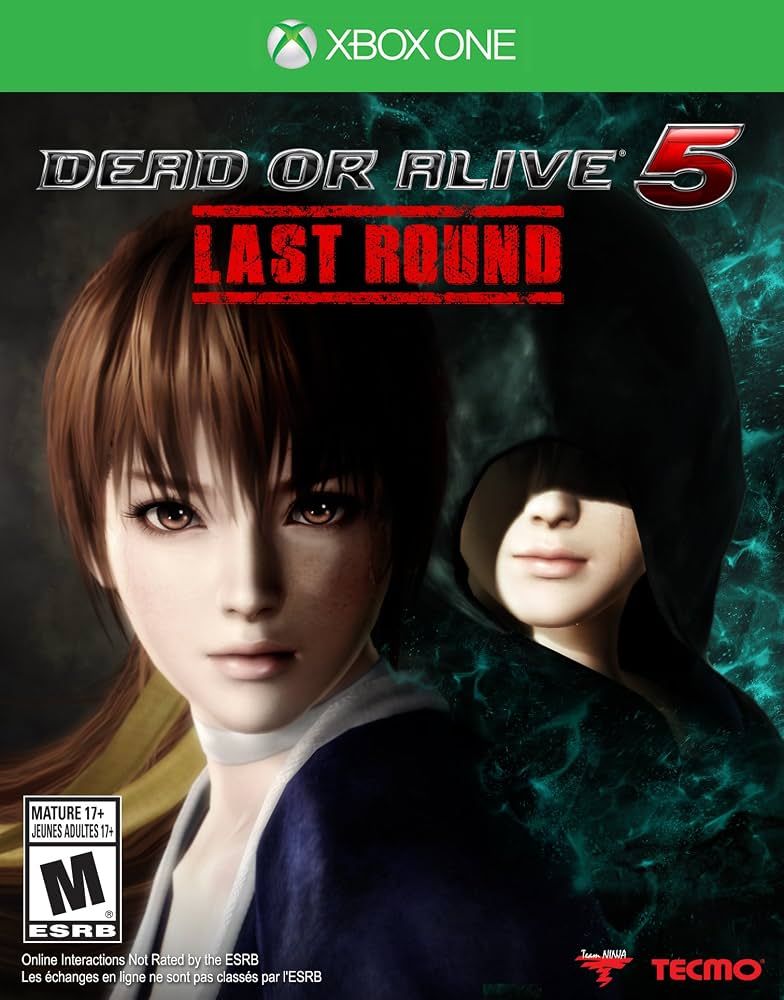
| Developer | Team Ninja |
|---|---|
| Publisher | Tecmo Koei |
| Initial Release | 2012 |
| Platforms | PlayStation 3, Xbox 360, PlayStation Vita, PlayStation 4, Xbox One, Windows, Arcade |
| Key Iterations | Dead or Alive 5 Plus (2013), Dead or Alive 5 Ultimate (2013), Dead or Alive 5: Last Round (2015) |
| Total Sales (by 2015) | Over 1.5 million copies |
| Free-to-play Downloads (by 2019) | Over 12 million |
| Predecessor | Dead or Alive 4 (2005) |
| Successor | Dead or Alive 6 (2019) |
Core Gameplay and Fighting System
At its competitive heart, Dead or Alive 5 operates on a fast-paced interruption triangle system. Strikes beat throws, throws beat holds, and holds beat strikes, with successful counters dealing extra damage. This rock-paper-scissors foundation forces constant reads and adaptations, rewarding players who can predict their opponent's next move. The system is deepened by the Critical System, which introduces states like Critical Stun, where a fighter cannot block but can still attempt a hold, and Critical Burst, a powerful strike that leaves the opponent completely defenseless.
Matches unfold in highly interactive, multi-level stages. A key offensive tool is the Power Blow, a cinematic, directionally controlled attack available when a fighter's health drops below 50%. This move can launch opponents into the stage's signature Danger Zones or off cliffs, triggering dramatic Cliffhanger sequences. These quick-time events allow the victim a chance to grab the ledge, while the attacker can attempt to inflict further damage, turning stage geography into a vital strategic element.
The game retained the popular Tag Team battle format from earlier entries, allowing for duo-based strategies. For training and analysis, the game offered a robust Training Mode with adjustable AI and an Online Dojo for practicing with other players. The Spectator Mode let players watch replays or AI battles, and even use a fully controllable camera to take in-game photographs, adding a community-focused dimension to the experience.
Roster and Character Design
Dead or Alive 5 launched with a core roster of 18 returning series fighters, plus the unlockable boss character Alpha-152. It introduced three entirely new characters to the franchise. Mila, a Spanish mixed martial arts champion, brought a grounded brawling style. Rig, a Canadian taekwondo practitioner and oil rig boss, offered a more technical approach. The third newcomer, Mr. Strong, was later revealed to be series veteran Bass Armstrong fighting under an alias.
A major crossover appeal came from the inclusion of three guest characters from Sega's Virtua Fighter series, the franchise that originally inspired Dead or Alive. Akira Yuki, Pai Chan, and Sarah Bryant were added as unlockable fighters, though they were unplayable in the Story Mode. Notably, Akira and Pai spoke only Japanese, while Sarah spoke only English, preserving their original character portrayals. The entire cast was rendered in a more realistic visual style than previous games, with details like sweat, dirt, and costume-specific physics adding to the presentation.
Game Evolution and Iterations
Following its 2012 debut on PlayStation 3 and Xbox 360, Dead or Alive 5 saw multiple updated releases that expanded its reach and refined its content. In 2013, Dead or Alive 5 Plus brought the game to the PlayStation Vita, featuring touch-based controls in a special Touch Play Mode but omitting some features like Lobby Matches. Later that same year, Dead or Alive 5 Ultimate arrived as a major home console and arcade update, likely adding characters and balance changes.
The final and most comprehensive version was Dead or Alive 5: Last Round, released in 2015. This iteration extended the game's lifespan to the PlayStation 4, Xbox One, and Windows PC, bringing the competitive experience to a new generation of hardware. These successive releases helped the franchise grow, with combined sales of all versions exceeding 1.5 million copies by mid-2015. The free-to-play versions, known as Core Fighters, were downloaded over 12 million times by 2019, significantly widening the player base.
Story and Narrative Structure
The narrative of Dead or Alive 5 is set two years after the destruction of the DOATEC corporation's headquarters. Helena Douglas, now leading a reformed DOATEC, aims to host the fifth tournament to present the organization's new peaceful philosophy to the world. This plot intertwines with a second major storyline involving the hunt for Kasumi's powerful clone, Alpha-152, who is sought by Kasumi herself, Bayman, and others.
The Story Mode is presented in a non-chronological, hyperlink cinema style. It is divided into interconnected chapters that follow different characters, showing events from multiple perspectives. This structure weaves together the drama of the tournament entrants with the shadowy conspiracy led by the villain Victor Donovan and his new organization, MIST. The story culminates in a climax at an oil rig laboratory, where the true Kasumi must confront Alpha-152 and the secrets of the revived cloning project.
Development and Design Philosophy
Dead or Alive 5 was officially announced at the Tokyo Game Show in September 2011, with producer Yosuke Hayashi stating the game was only about 15 percent complete at the time. The team built a new game engine from scratch for this installment. A central goal was to create more involved and interactive environments. Hayashi cited Naughty Dog's Uncharted series as an inspiration for developing the game's destructible stages and dramatic Cliffhanger events.
To ensure balance, Team Ninja re-examined every character's move set from the ground up, creating new moves and carefully refining existing ones. The team also sought to portray the series' characteristic sensuality in a more sophisticated tone. The development process resulted in the series' first multi-platform release since 1999 and its debut on PlayStation 3, marking a significant new chapter for the franchise.
Online Features and Community Tools
Dead or Alive 5 provided a suite of online modes designed for both competitive play and community interaction. Players could engage in Simple Matches, Ranked Matches, or create Lobby Matches. A notable feature was the ability to organize and host online tournaments for up to 16 players, facilitating community-run competitions. The Spectator Mode allowed players to watch fights while chatting with others, fostering a social viewing experience.
Cross-platform play was a key feature for the PlayStation ecosystem, enabling online matches and shared downloadable content between PlayStation 3 and PlayStation Vita versions. Players could also swap save data between these two consoles. While the Vita version lacked some features like YouTube uploads, the home console versions provided tools like the replay viewer and photo mode, giving the community ways to capture and share memorable moments from their fights.
FAQ
What is the interruption triangle in Dead or Alive 5?
The interruption triangle is the core combat system where strikes beat throws, throws beat holds, and holds beat strikes. Successfully landing one of these counterattacks results in extra damage, creating a constant mind game between players.
Which Virtua Fighter characters are in Dead or Alive 5?
The game features three guest characters from Sega's Virtua Fighter series: Akira Yuki, Pai Chan, and Sarah Bryant. They are unlockable fighters who make cameo appearances in the Story Mode but are not playable within it.
What are Power Blows and Cliffhangers?
Power Blow is a powerful, cinematic attack that can be used when a character's health is below 50%. It can knock an opponent into Danger Zones or off cliffs. If knocked off a cliff, a Cliffhanger quick-time event triggers, where the falling fighter can grab the ledge and the attacker can try to inflict more damage.
What is the difference between Dead or Alive 5, Ultimate, and Last Round?
Dead or Alive 5 was the original 2012 release. Ultimate was an updated 2013 version for consoles and arcades. Last Round, released in 2015, was the final iteration, adding support for PlayStation 4, Xbox One, and Windows PC, bringing the game to modern platforms.
How many copies did Dead or Alive 5 sell?
By mid-2015, combined sales for all versions of Dead or Alive 5, including the original, Ultimate, and Last Round, had surpassed 1.5 million copies worldwide. Additionally, free-to-play versions were downloaded over 12 million times as of 2019.
Source: English Wikipedia (CC BY-SA), rewritten by the Redington Cybersport desk.