Painkiller
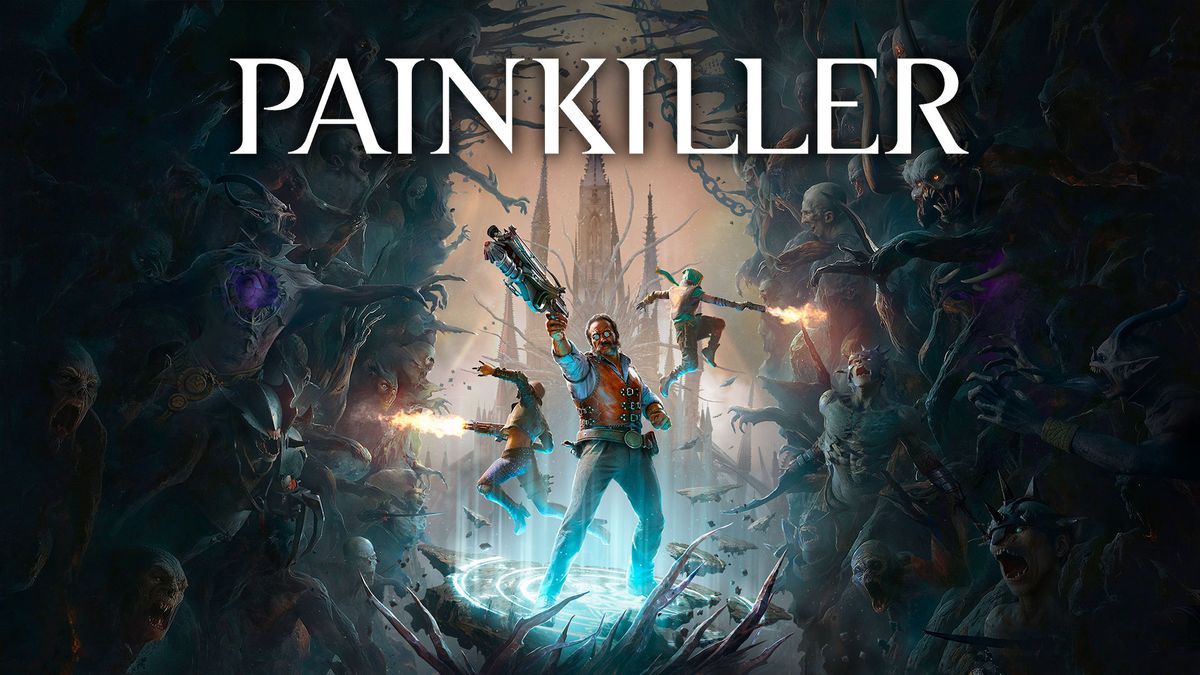
Painkiller is a classic first-person shooter released in 2004, developed by People Can Fly. It gained significant prominence not for its single-player campaign but for its fast-paced multiplayer, which became a staple of professional competition on the Cyberathlete Professional League World Tour for two seasons.
| Developer | People Can Fly |
|---|---|
| Publisher | DreamCatcher Interactive |
| Initial Release | April 2004 |
| Platforms | Microsoft Windows, Xbox |
| Genre | First-person shooter |
| Competitive Scene | CPL World Tour (2 seasons) |
| Notable Expansion | Battle Out of Hell |
| Reboot Released | October 2025 |
The Game That Powered the CPL
Painkiller's rise to esports fame was confirmed by its inclusion in the Cyberathlete Professional League's World Tour. The game was featured for two full seasons, drawing top talent from around the globe to compete in its frenetic multiplayer modes. Its fast, skill-based gameplay, reminiscent of arena shooters like Quake, made it a good fit for high-level competition. The CPL endorsement provided a major platform, moving Painkiller from a cult favorite to a title with a professional circuit and dedicated fanbase.
The competitive scene thrived on the game's pure action. Matches were spectacles of precision and reflexes, with players mastering the movement and weapon mechanics to outmaneuver opponents. The CPL seasons built narratives around dominant players and intense rivalries, creating memorable moments in early 2000s esports. This period remains the defining chapter in Painkiller's competitive history, confirming its status as a tournament-worthy shooter. The game's design, inspired by classics like Doom and Serious Sam, focused on killing large numbers of enemies, a concept that translated directly into tense, high-stakes duels.
Core Gameplay: Single-Player and Multiplayer
Painkiller's single-player campaign is divided into five chapters, each about five levels long. The player's objective is straightforward: get through each level by slaughtering hundreds of monsters. Fighting often occurs in mass battles where exits shut and heavy metal music plays, creating intense set-piece encounters. After each battle, a checkpoint advances the game. The game was praised for its diversity, with each level presenting a new location and theme, including castles, monasteries, an opera house, and graveyards. New monsters appear almost every level, and there are five dedicated boss fights.
An unusual feature is the tarot card system. Each level presents an optional special task. Completing it grants a rare tarot card that, when equipped, provides a powerful bonus like powered-up weapons or slow motion for 30 seconds. This system added a layer of challenge for completionists. The multiplayer component, which supported LAN and online play, included classic modes like Deathmatch and Capture-the-Flag. The quality of this multiplayer experience was a key reason for its professional adoption. Online support for the Xbox port, Painkiller: Hell Wars, ended in April 2010.
Expansions and Spin-offs
The original game was followed by several expansions that extended its universe. The first, Painkiller: Battle Out of Hell, was released on December 1, 2004. Developed by the same teams, it added a new 10-level single-player campaign, two new weapons with dual fire modes, new multiplayer modes, and improved visual effects. Its story continues directly from the original's cliffhanger, with Daniel now battling the new ruler of Hell, Alastor. This expansion was later bundled with the original in a Gold or Black Edition, which included mapping tools and a patch that brought the game up to competition standard.
Subsequent releases were stand-alone. Painkiller: Overdose, released October 30, 2007, featured a new half-angel, half-demon protagonist named Belial and was originally a fan-made mod. It contained 6 new weapons, 40 monster types, and 16 new levels. Painkiller: Resurrection, released October 27, 2009, introduced a new hero, William Sherman, and six new levels. A final add-on, Painkiller: Redemption, was released as a downloadable game on February 25, 2011, featuring six levels with nearly 6,000 enemies and a new heavy metal soundtrack. Various bundled editions collected these games for fans.
Narrative and Setting
The single-player campaign follows Daniel Garner, a man killed alongside his wife in a car crash. While his wife goes to Heaven, Daniel is trapped in Purgatory. An angel named Samael offers him a deal: kill four of Lucifer's generals to prevent a war between Heaven and Hell, and he will earn purification. Daniel travels through corrupted slices of history within Purgatory, from Medieval Europe and Babylon to the Crusades and a modern industrial era.
He is aided by a soul named Eve and a demonic figure named Asmodeus. After killing the generals and Lucifer himself in Hell, Alastor takes the throne, leading to the events of the Battle Out of Hell expansion. That expansion concludes with Eve betraying Daniel, absorbing Alastor's power to become the new ruler of Hell. If the game is completed on its hardest Trauma difficulty, an extra ending shows Daniel finally able to go to Heaven and reunite with his wife.
Ports, Editions, and Legacy
Beyond its PC release, Painkiller was ported to the Xbox in 2006 as Painkiller: Hell Wars. This was not a straight port but a mix of the original game and its Battle Out of Hell expansion. Planned ports for the PlayStation 2 and PlayStation Portable were cancelled worldwide. A mobile version, Painkiller: Purgatory (HD), was developed for Android and iOS. Several special editions were released. The Special Edition was a budget version with only 12 of 24 levels and no multiplayer. The Gold/Black Edition combined the base game and expansion. The Universe/Triple Dose edition from 2008 included the original game, Battle Out of Hell, and Overdose.
The game is remembered in two ways. For many, it is a robust single-player shooter with a distinctive gothic style and over-the-top action. For the esports world, it was a leading competitive title that held a spot on one of the most prominent professional circuits of its time. The CPL World Tour seasons are the central achievement of its competitive history. A reboot of the franchise, also titled Painkiller, was released in October 2025.
Development and Community Contributions
Painkiller was developed by Polish studio People Can Fly and published by DreamCatcher Interactive. Its success led to a series of expansions, some of which had roots in community modding. Painkiller: Overdose began as a fan-made mod by Mindware from the Czech Republic before receiving full financial and technical support from the publisher. Similarly, Painkiller: Redemption was originally created by a fan group called the Eggtooth Team before additional development by Homegrown Games.
This relationship with the modding community was formalized in several editions. The Gold/Black Edition included mapping and editing tools, a making-of movie, and behind-the-scenes interviews. The later Collection, which contained all Painkiller games and expansions, also featured these tools. This support helped maintain a dedicated player base even after the peak of its professional scene, allowing for custom content and prolonged engagement with the game's mechanics.
FAQ
Was Painkiller played professionally?
Yes, Painkiller was a professional esports title. It was featured for two seasons on the Cyberathlete Professional League's World Tour, which was a major competitive circuit in the mid-2000s.
What kind of game is Painkiller?
Painkiller is a fast-paced first-person shooter. The gameplay focuses on fighting large hordes of monsters in single-player and includes classic competitive multiplayer modes like Deathmatch and Capture the Flag.
What is the story of Painkiller about?
The story follows Daniel Garner, a man who dies in a car crash and is sent to Purgatory. To earn his way into Heaven, he must defeat four generals of Lucifer's army to stop an invasion, battling through various historical settings within Purgatory.
What expansions were released for Painkiller?
The main expansions include Painkiller: Battle Out of Hell, Painkiller: Overdose, and Painkiller: Resurrection. These added new campaigns, characters, weapons, and, in some cases, multiplayer content.
Was Painkiller released on consoles?
Yes, a version called Painkiller: Hell Wars was released for the Xbox in 2006. Planned ports for PlayStation 2 and PlayStation Portable were cancelled. A mobile HD version was also released for Android and iOS.
Source: English Wikipedia (CC BY-SA), rewritten by the Redington Cybersport desk.