Killing Floor
Killing Floor is a cooperative first-person shooter video game developed by Tripwire Interactive, originally released as a mod in 2005 before its full retail launch in 2009. The game established a dedicated competitive and cooperative scene centered around surviving waves of mutant specimens, known as ZEDs, and battling a final boss called the Patriarch. Its success, marked by millions of sales, led to a sequel and confirmed its status as a cult classic in the wave-based shooter genre.
| Developer | Tripwire Interactive |
|---|---|
| Publisher | Tripwire Interactive |
| Initial Release | May 14, 2009 (Microsoft Windows) |
| Platforms | Microsoft Windows, OS X, Linux |
| Game Modes | Killing Floor (Wave Survival), Objective |
| Preceded By | Killing Floor (Unreal Tournament 2004 mod, 2005) |
| Followed By | Killing Floor 2 (2016), Killing Floor 3 (announced 2023) |
| Sales (PC, as of 2014) | Almost 3 million copies |
| Series Sales (as of May 2019) | Over 10 million units combined |
Core Gameplay and Mechanics
Killing Floor pits teams of players against escalating waves of zombie-like creatures called specimens or ZEDs. The primary mode involves surviving these waves, which grow progressively harder, culminating in a fight against a powerful boss specimen known as the Patriarch. An alternative Objective mode tasks players with completing specific challenges during the waves. Between rounds, players can visit an in-game trader to spend money earned from kills on ammunition, armor, and an arsenal of weapons ranging from shotguns and flamethrowers to katanas and pipe bombs.
Teamwork is a central pillar of the experience. Players can trade items and drop money for teammates. Healing other players is more effective than healing oneself. A key tactical element is the ability to weld doors shut, creating temporary barriers to funnel the horde and control the flow of combat. If a player dies during a wave, they respawn at the start of the next wave as long as at least one teammate survives, dropping their weapon for others to potentially retrieve. A full team wipe forces a restart from the beginning.
The game features a perk system, which functions similarly to character classes. At the start of a match, players choose from one of seven perks, such as Sharpshooter or Field Medic. Each perk provides bonuses for specific weapon types and abilities. These perks can be leveled up by performing related actions, like getting headshots for Sharpshooter or healing points for Field Medic, and crucially, this progression can be earned regardless of which perk is currently active.
The Enemy Horde and Zed Time
The enemy forces are clones and genetically mutated subjects from the experiments of Horzine Biotech. They are not mindless, with most specimens possessing special attacks that can deal significant damage to players. The number of enemies in each wave scales dynamically based on the number of players in the game. A signature feature called 'zed time' triggers a slow-motion effect, typically after a particularly gruesome kill like a headshot. This effect occurs for all players in the match, adding a cinematic and tactical layer to the chaotic firefights.
The ultimate challenge of a standard session is the Patriarch. This boss is a heavily mutated and cybernetically enhanced scientist, Dr. Kevin Clamely, who represents the climax of the wave-based gameplay. Defeating him requires coordinated team effort and effective use of the resources gathered throughout the previous rounds.
Development from Mod to Retail
Killing Floor began its life as a total conversion mod for Unreal Tournament 2004, first released in 2005 by lead developer Alex Quick. After initial talks with Tripwire Interactive about porting the mod to their game Red Orchestra: Ostfront 41-45 stalled, Quick reconnected with the studio years later. With the mod's user base declining, a deal was struck for Tripwire to develop and publish a full retail version with the original mod team's assistance.
The commercial version of Killing Floor was announced in March 2009 and released on May 14, 2009, after about three months of work by a team of around ten developers. The original mod received its fifth and final official update in July 2008 before the transition. The retail game initially supported non-Steam servers, but with the launch of the Linux version on Steam in 2012, it became a Steam-exclusive title.
Post-launch support included significant updates. A late 2012 patch introduced integration with the Steam Workshop, allowing for easy distribution of user-created content. In mid-2013, the Objective game mode was added, providing structured missions beyond pure survival. The game also featured a cross-promotion with Team Fortress 2 in December 2010, adding cosmetic items to both titles.
Reception and Commercial Success
Killing Floor found immediate commercial success, becoming the top-selling game on Steam shortly after its release in May 2009. By December 2014, Tripwire Interactive announced that the PC version had sold almost 3 million copies. The series as a whole surpassed 10 million units sold by May 2019, generating over $100 million in total revenue.
Critically, the game received a mixed but generally positive reception, earning a Metacritic score of 72 out of 100. Reviewers praised its clever cooperative design and value. Eurogamer called it clever and relatively cheap. GameSpot noted that while the graphics were dated compared to contemporaries and the voice acting was poor, the sound effects were very good and the core experience was enjoyable despite its flaws. Criticisms often focused on a perceived lack of plot, limited maps, and repetitive gameplay affecting long-term replay value. The game also won several awards, including Overall Best PC Game of 2009, Best PC Shooter of 2009, and Best PC Game Expansion or DLC of 2009 in Voodoo Extreme's Reader Choice Awards.
Legacy and the Path to Sequels
The foundation laid by the original Killing Floor proved solid and popular. Its core loop of cooperative wave survival, perk progression, and boss battles resonated with players, creating a dedicated community. The inclusion of a software development kit and level editor from the start empowered modders, extending the game's lifespan with custom content.
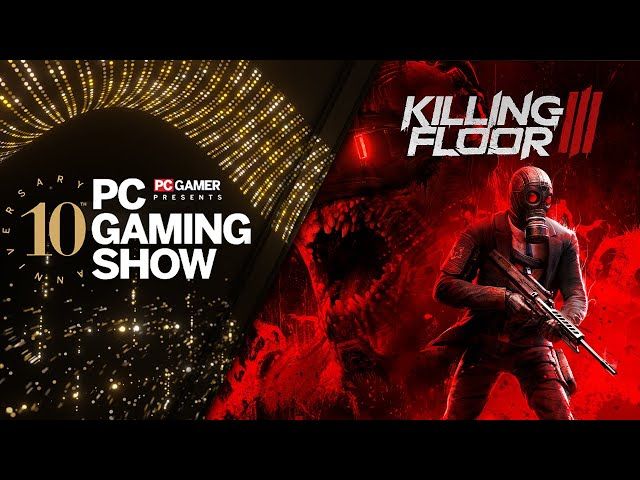
This success directly led to sequels. Tripwire Interactive announced Killing Floor 2 on May 8, 2014, releasing it in November 2016. A third entry, Killing Floor 3, was announced in August 2023. The original game is remembered as a cult hit that evolved from a community mod into a commercially viable franchise, defining a specific niche of tense, team-oriented horror shooters.
FAQ
What type of game is Killing Floor?
Killing Floor is a cooperative first-person shooter. The main mode involves teams of players fighting off successive waves of mutant specimens, with each wave becoming more difficult and ending with a boss fight against the Patriarch.
When was Killing Floor released?
The full retail version of Killing Floor was released on May 14, 2009, for Microsoft Windows. It was originally a mod for Unreal Tournament 2004 released in 2005.
What are perks in Killing Floor?
Perks are similar to character classes. Players select one at the start of a match, granting bonuses for specific weapons and abilities, like the Sharpshooter for rifles or Field Medic for healing. These perks can be leveled up by performing related actions to increase their benefits.
How many copies did Killing Floor sell?
As of December 2014, the PC version of Killing Floor had sold almost 3 million copies. By May 2019, the entire Killing Floor series had sold over 10 million units combined.
Is there a Killing Floor 2 and 3?
Yes. A sequel, Killing Floor 2, was announced in May 2014 and released in November 2016. A third game, Killing Floor 3, was announced in August 2023.
Source: English Wikipedia (CC BY-SA), rewritten by the Redington Cybersport desk.