FIFA Street (2012 video game)
FIFA Street, also known as FIFA Street 2012, is a street football video game released in 2012 as a reboot of the series. Developed by EA Canada using the FIFA 12 engine, it aimed to deliver an authentic street football experience with realistic visuals and deep gameplay.
| Developer | EA Canada |
|---|---|
| Publisher | EA Sports |
| Release Date | March 2012 |
| Platforms | PlayStation 3, Xbox 360 |
| Creative Director | Gary Paterson |
| Game Engine | FIFA 12 engine |
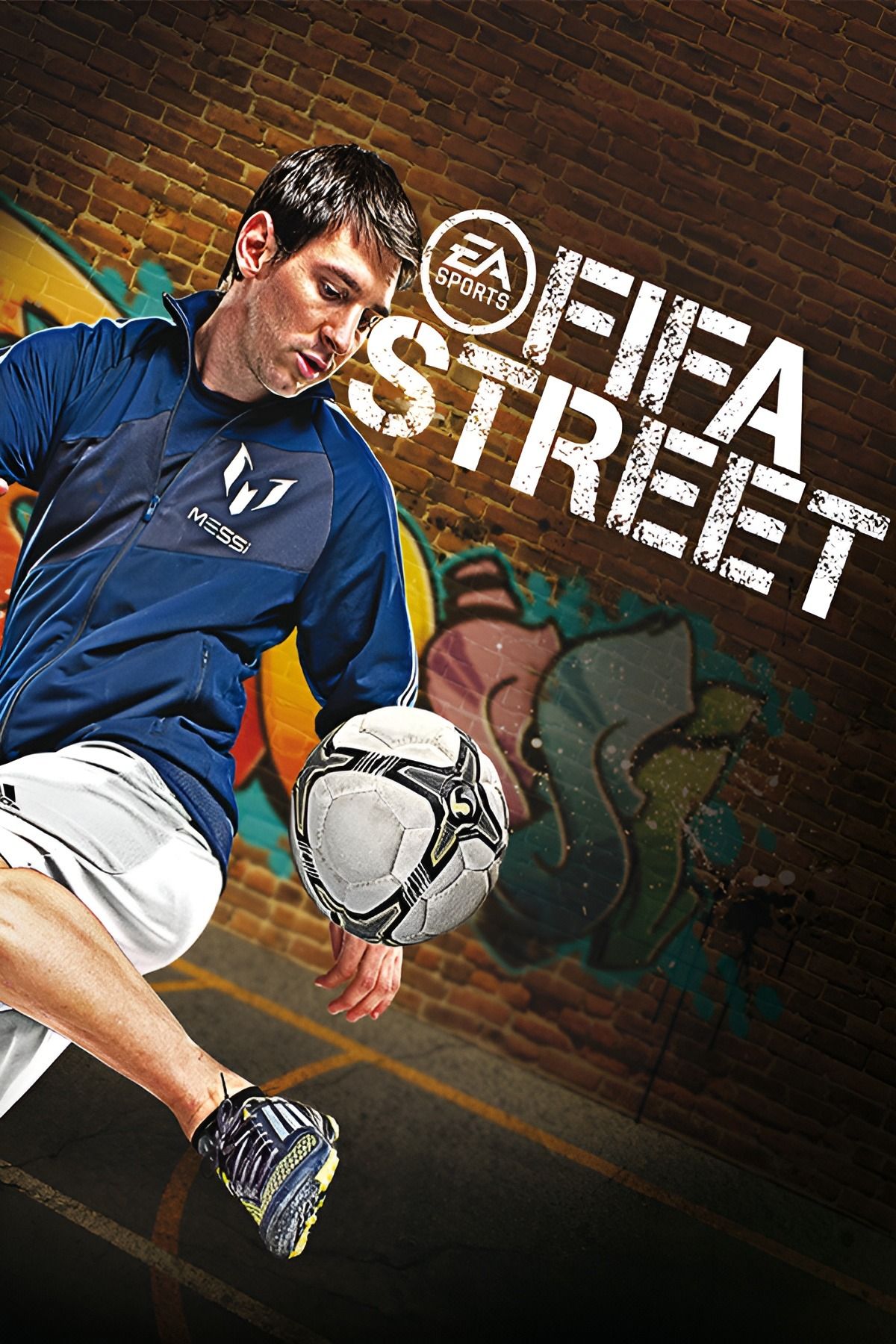
| Cover Athlete | Lionel Messi |
| Game Modes | Panna, futsal, small-team matches |
| Leagues Featured | Major League Soccer, Premier League, Ligue 1, Serie A, Bundesliga, Liga BBVA |
| Metacritic Score | 77/100 |
A Complete Reboot of the Series
FIFA Street 2012 was developed as a full reboot, a deliberate break from the first three games in the series. The development team, led by creative director Gary Paterson and including members from the FIFA 12 project, stated that previous entries barely tried and players lost interest. Their goal was to create a street football video game, focusing on the depth that was missing in past titles.
This shift meant moving away from the stylised, cartoon-like visuals of FIFA Street 1, 2, and 3. The team adopted a more realistic visual style, arguing that real street football skills already seemed impressive enough without needing overtly arcade elements like players jumping over shoulders. The game was built on the FIFA 12 game engine, marking the first time the core FIFA team worked on a Street title.
Gameplay Focused on Skill and Authenticity
The core gameplay revolves around fast-paced matches with small teams of five or six players per side, as well as one-on-one contests. It introduces specific game modes based on panna, a style focused on nutmegging an opponent, and futsal. Skill moves and tricks remain a central pillar, with the game featuring twice as many as FIFA 12 and over fifty more than its direct predecessor, FIFA Street 3.
New mechanics were designed to give players greater control and fluidity. These include a Street Ball Control system, improved one-touch passing, and a new dribbling system called ATTACK. The emphasis was on replicating the way street football is played around the world, with a focus on skillful ball manipulation rather than exaggerated physical feats.
A Global Roster and Playing Environments
FIFA Street offers an extensive selection of real-world players, drawn from over 3000 teams across the globe's biggest leagues. For the first time in the series, it includes both national teams and club teams. Players can select stars from the Premier League, Liga BBVA, Serie A, Bundesliga, Ligue 1, and Major League Soccer.
The game's locations are designed to reflect international street football culture. Arenas range from the streets of Amsterdam to the beaches of Rio de Janeiro, with each environment attempting to mirror the distinctive style of football played in that country. This global tour concept was a key part of delivering an authentic experience.
Promotion, Release, and Special Content
EA Sports announced the game on August 16, 2011, at the Gamescom event in Germany. It was released in March 2012 for Xbox 360 and PlayStation 3. A playable demo launched on Xbox Live on February 28, 2012, followed by a release on the PlayStation Network a day later. The game also dropped the EA Sports BIG branding used by earlier titles, adopting the standard EA Sports logo instead.
Promotion heavily featured Lionel Messi, who signed a deal with EA in November 2011 to become the new face of the FIFA franchise and appears on the cover. Pre-order incentives included the Adidas All-Star Team, a squad of 13 notable footballers, and a special Barcelona-themed venue. The game was also made available early to subscribers of the EA Sports Season Ticket service.
Critical Reception and Legacy
FIFA Street garnered generally positive reviews from critics. On the review aggregation website Metacritic, it holds an average score of 77 out of 100. This reception indicated a successful pivot towards a more simulation-inspired street football game compared to its arcade-focused predecessors.
The 2012 reboot represented a significant moment for the series, aiming to establish a new standard for authenticity in the genre. It was part of a broader effort by EA Sports to revive classic franchises, similar to the new SSX game released around the same time. By using the FIFA 12 engine and a realistic philosophy, the game sought to create a lasting street football experience with genuine depth.
FAQ
When was FIFA Street (2012) released?
FIFA Street was released in March 2012 for the PlayStation 3 and Xbox 360 consoles.
Who is on the cover of FIFA Street 2012?
Lionel Messi features on the cover, following a deal he signed with EA to become the face of the FIFA franchise.
What game engine does FIFA Street use?
The game uses the FIFA 12 game engine, developed by some of the same team behind FIFA 12.
What are the main game modes in FIFA Street?
The game focuses on fast-paced small-team matches, one-on-one games, and modes based on panna and futsal.
What leagues are featured in FIFA Street?
The game includes teams from several major leagues: Major League Soccer, Premier League, Ligue 1, Serie A, Bundesliga, and Liga BBVA.
Source: English Wikipedia (CC BY-SA), rewritten by the Redington Cybersport desk.