FIFA Soccer 96
FIFA Soccer 96, also known as FIFA 96: Virtual Soccer Stadium, is the third installment in EA Sports' football series. Released in 1995, it is remembered for introducing real-time 3D graphics and real player names to the franchise, establishing a new technical and authentic standard for the genre.
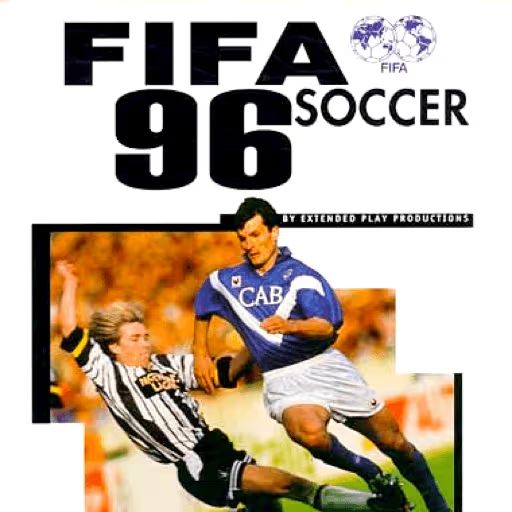
| Developer | Extended Play Productions |
|---|---|
| Publisher | EA Sports |
| Release Year | 1995 |
| Platforms | Mega Drive/Genesis, Sega Saturn, 32X, Game Gear, PlayStation, SNES, MS-DOS |
| Series | FIFA |
| Tagline | Next Generation Soccer |
| Key Feature | First FIFA with real-time 3D graphics (on select platforms) |
| Key Feature | First FIFA with real player names and positions |
| Development Budget | $3 million |
The Dawn of 3D Football
FIFA Soccer 96 marked a clear division between console generations through its use of two distinct game engines. For the 32-bit and DOS platforms, including the Sega Saturn, PlayStation, 32X, and MS-DOS, the game debuted the Virtual Stadium engine. This technology delivered real-time 3D graphics, a first for the series, and was the core of EA Sports' Next Generation Soccer marketing. In contrast, the 16-bit editions for the Super Nintendo and Sega Genesis utilized an enhanced version of the older FIFA 95 engine. This dual approach ensured the game reached the widest possible audience during a transitional period in video game hardware.
The three million dollar development budget funded these technological advances and a crucial licensing achievement. FIFA 96 became the first entry in the series to feature real player names and positions, moving beyond generic squad lists. This addition was frequently highlighted in contemporary reviews as a major step forward for authenticity. The game also integrated new tools for ranking players, executing transfers, and customising teams, giving players managerial control alongside the on-pitch action.
An Expansive Football World
The game presented players with a broad simulation of international football. It included 12 licensed leagues from around the world, featuring clubs from England, Italy, Germany, and France among others. New leagues from Malaysia, Scotland, and Sweden were added, though not all teams from the previous FIFA Soccer 95 returned. The roster was a key selling point, with promotional material and reviews noting the inclusion of over 3,000 real players, a figure sometimes cited as over 3,500. Each player had its own attributes, contributing to a more detailed and strategic experience.
Gameplay was designed for speed and accessibility, described as having an arcade-style pace. It was praised for expanded tactical options and, notably, for its multiple selectable camera angles. This feature, combined with play-by-play audio commentary, was often credited by critics for creating a more immersive and television-like presentation. The differences between platform versions were apparent to reviewers. Comparisons noted that the Saturn version had larger sprites and richer colors than the PlayStation version, but suffered from a lower frame rate and rougher character models. The Super NES version was observed to play faster than the Genesis edition, though it lacked the Genesis version's dynamic crowd noise.
Critical Acclaim Across Platforms
FIFA Soccer 96 was met with widespread critical praise and significant commercial success. It became a bestseller in the United Kingdom. Reviewers consistently highlighted its depth, realism, and the sheer number of features. Computer Game Review awarded the MS-DOS version its Platinum Triad score, declaring it the best soccer game available. Publications like Maximum and GamePro commended the realistic player controls, intelligent AI behavior, and the comprehensive suite of options including league play and camera angles.
The attention to detail was a frequent point of admiration. A Next Generation critic remarked that it was possible to identify individual players on the field just by their appearance, and that executing game plans yielded realistic outcomes. Reviewers concluded that the game managed to be both a serious simulation and tremendously fun to play. Some criticisms existed, such as Sega Saturn Magazine's note that the animation could be slow and slightly jittery, and Electronic Gaming Monthly's reviewers awarding the Saturn version an 8 out of 10. However, even critics with reservations acknowledged its strengths, with Maximum calling it the dominant soccer game in the Saturn market due to its advanced mechanics and weak competition.
Market Dominance and Lasting Influence
The game's quality translated into strong sales performance. In Germany, the Sega Saturn version entered at number one on the Karstadt retail sales chart in December 1995 and held that position into January 1996. It remained in the retailer's monthly top ten list through July 1996, demonstrating long-term popularity. The game's appeal extended to all its iterations. A Next Generation review stated the Genesis version was the best 16-bit soccer game available. GamePro's reviewer declared the Game Boy version might be the best sports title of the year for handheld systems, praising its inclusion of complex moves like bicycle kicks and its range of international teams.
FIFA Soccer 96 established a template that would guide the series for years to come. Its successful integration of 3D graphics proved the format's future for sports games. The acquisition of real player licenses became a standard for the franchise and the genre. The structure of multiple international leagues, deep customisation, and a broadcast-style presentation with commentary and camera angles became foundational pillars. By moving football gaming from a symbolic representation to a more authentic simulation, FIFA 96 confirmed EA Sports' leadership in the market and set a direct course for the future evolution of the series.
The Virtual Stadium Engine
The Virtual Stadium engine was the technical heart of the 32-bit and PC versions of FIFA 96. This proprietary technology was responsible for rendering the game's real-time 3D environments, a significant leap from the sprite-based graphics of earlier titles. The engine allowed for the game's signature feature, the multiple dynamic camera angles that could be switched during play, contributing greatly to the sense of being in a large, populated arena. The development team at Extended Play Productions focused on using this engine to create a more realistic depiction of player movement and ball physics.
Reception of the engine's implementation varied by platform. While the core gameplay was praised, direct comparisons between the Saturn and PlayStation versions were common. Critics noted that the PlayStation version generally offered smoother scrolling and a higher frame rate. The Saturn version, while sometimes judged as technically inferior in these areas, was still celebrated for its gameplay depth and was considered the best football option available on that console. The engine's success on MS-DOS also showed the growing potential for sophisticated sports simulations on personal computers.
FAQ
What was new in FIFA Soccer 96 compared to earlier FIFA games?
FIFA Soccer 96 introduced two major firsts for the series. It was the first FIFA game to use real-time 3D graphics on platforms like the PlayStation and Sega Saturn, thanks to the Virtual Stadium engine. It was also the first to feature real player names and positions, along with new team customisation and transfer tools.
On which platforms was FIFA Soccer 96 released?
The game was released for many systems, including the Sega Mega Drive/Genesis, Sega Saturn, Sega 32X, Sega Game Gear, Sony PlayStation, Super Nintendo Entertainment System (SNES), and MS-DOS compatible computers.
How many real players were in FIFA Soccer 96?
FIFA Soccer 96 featured an extensive roster of real players. Sources indicate the game included over 3,000 licensed players, with some materials promoting a count of over 3,500, each with their own attributes.
Was FIFA Soccer 96 a successful game?
Yes, it was both a critical and commercial success. It became a bestseller in the UK and received high scores from reviewers, who praised its realism and features. For example, the Saturn version reached number one on sales charts in Germany in late 1995 and stayed in the top ten for seven months.
What leagues were featured in FIFA Soccer 96?
The game allowed players to compete in 12 international leagues. This included clubs from major football nations such as England, Italy, Germany, and France, as well as additions like the Malaysian, Scottish, and Swedish leagues.
Source: English Wikipedia (CC BY-SA), rewritten by the Redington Cybersport desk.