FIFA 17
FIFA 17 marked a turning point for EA Sports' football franchise when it launched in September 2016, becoming the first game in the series to utilize the Frostbite engine while introducing major new features like The Journey story mode and FUT Champions competitive system. This installment set new standards for visual presentation and esports infrastructure in football simulations.

| Developer | Electronic Arts (EA Sports) |
|---|---|
| Publisher | Electronic Arts |
| Release Date | September 2016 |
| Platforms | Microsoft Windows, PlayStation 3, PlayStation 4, Xbox 360, Xbox One |
| Cover Athlete | Marco Reus |
| Game Engine | Frostbite |
| New Game Mode | The Journey |
| Commentary Team | Martin Tyler, Alan Smith, Alan McInally, Geoff Shreeves |
| Online Servers Shut Down | 14 February 2023 |
| Demo Release Date | 13 September 2016 |
Technical Revolution with Frostbite Engine
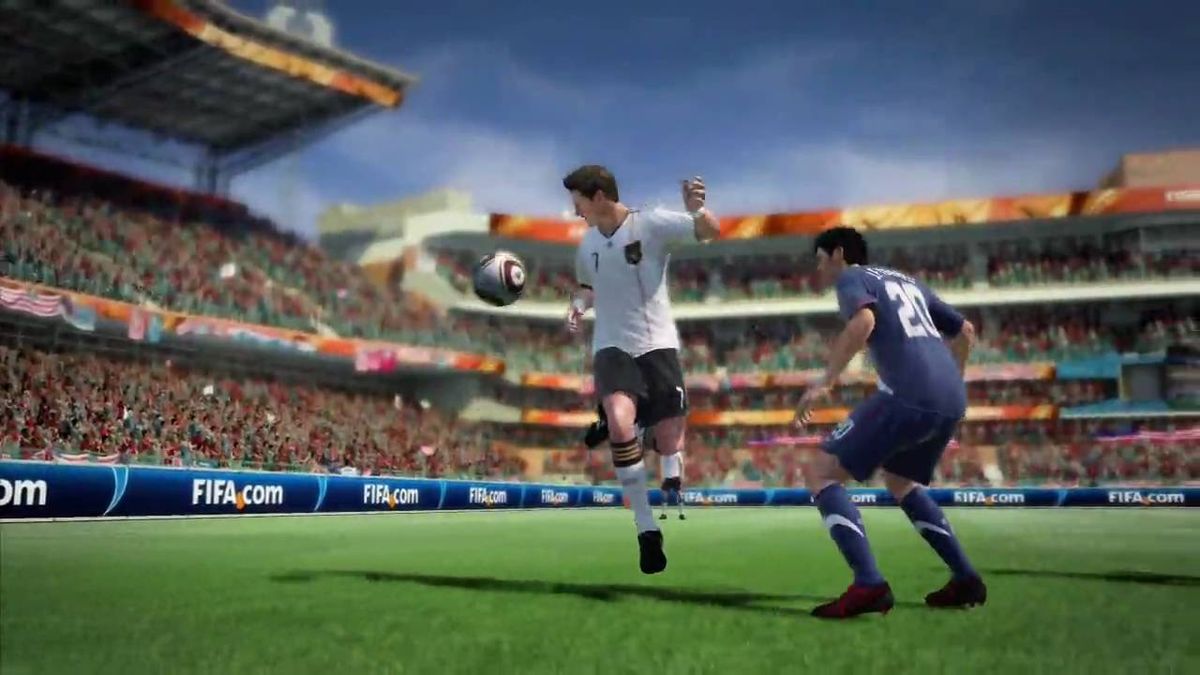
The adoption of the Frostbite engine transformed FIFA's visual and physical gameplay systems. This marked EA Sports' first use of the technology outside their first-person shooter titles, requiring extensive adaptation for sports simulation. Players now exhibited more realistic weight and momentum, while stadiums featured enhanced lighting and weather effects.
The physical player overhaul introduced more nuanced collisions and shielding mechanics. Set pieces received their most significant rewrite in years, with new free kick, corner, and penalty systems that gave players greater control over placement and spin. The active intelligence system made off-the-ball movement more dynamic, with AI teammates making smarter runs based on match situations.
FUT Champions and Competitive Structure
FUT Champions fundamentally changed FIFA's competitive scene by establishing a clear progression path from casual play to professional esports. Players competed in weekend leagues where performance determined qualification for monthly tournaments. EA implemented this system after recognizing the growing grassroots competitive scene.
The mode featured 40-match weekend leagues where players aimed for specific win thresholds to earn rewards. Top performers qualified for regional events that fed into the EA SPORTS FIFA Global Series. Squad Building Challenges complemented this by encouraging strategic team construction within constraints, adding another layer of competitive depth.
These features were exclusive to current-gen consoles and PC, creating a divide between versions. Xbox 360 and PlayStation 3 players missed out on both Frostbite upgrades and competitive systems, accelerating the transition to newer hardware.
The Journey: Story Mode Innovation
The Journey represented EA Sports' most ambitious narrative project, blending RPG elements with football simulation. Players controlled Alex Hunter through key moments from his youth career to Premier League debut. The mode incorporated actual Premier League fixtures and standings, making Hunter's story feel connected to real football.
Dialogue choices affected relationships with teammates, managers, and family members. Performance determined playing time and transfer interest. The social media system tracked fan support that unlocked sponsorship opportunities from brands like Adidas. Cameos from stars like James Rodriguez and Harry Kane blended fiction with reality.
Position restrictions forced players to specialize as attackers, reflecting the narrative focus on goal-scoring moments. The loan spell mechanic introduced players to lower-league football before returning to top-flight competition. The FA Cup final climax provided a dramatic conclusion regardless of previous results.
Licensing and Authenticity
FIFA 17 expanded its global reach through strategic licensing agreements. The addition of Japan's J1 League included authentic kits, badges, and Gamba Osaka's stadium. Brazilian league integration faced limitations, while 18 Série A teams appeared, player names remained generic due to licensing conflicts with Konami.
The game featured all 20 Premier League managers' likenesses for the first time. Commentary teams received upgrades with Martin Tyler and Alan Smith providing match analysis while Alan McInally delivered score updates. Geoff Shreeves reported on injuries with medical diagnoses.
Stadium licensing saw changes as Barcelona's Camp Nou was removed due to PES exclusivity, replaced by the generic El Libertador. However, new celebrations like Paul Pogba's dab and Mesut Özil's 'M' gesture kept the game current with football culture. Women's football expanded with the addition of Norway's national team.
Production and Marketing
EA conducted a global cover vote between four ambassadors: Marco Reus, Eden Hazard, James Rodríguez, and Anthony Martial. Reus' victory reflected his popularity despite injury setbacks in his real career. The campaign generated significant community engagement through social media.
The demo released on 13 September 2016 showed the Frostbite engine's capabilities with eleven top clubs. EA emphasized manager likenesses and stadium atmosphere in marketing materials. The Journey received its own promotional campaign highlighting the cinematic story elements.
Technical challenges emerged during development as the team adapted Frostbite for sports gameplay. The engine originally designed for first-person shooters required modifications to handle football's open environments and player animations. These efforts resulted in improved lighting and texture quality that set a new visual benchmark.
Reception and Competitive Impact
Reviewers praised the Frostbite engine's visual upgrades and The Journey's fresh approach to sports storytelling. Critics noted improved physical interactions and more varied attacking options compared to previous entries. The game became the fastest-selling FIFA title at launch, demonstrating the appeal of its innovations.
FUT Champions successfully formalized FIFA's competitive structure, providing clear pathways for aspiring professionals. The system influenced subsequent esports integrations across EA Sports titles. The Journey's commercial success led to sequels in later installments.
At the 20th Annual D.I.C.E. Awards, FIFA 17 earned a Sports Game of the Year nomination. While online services concluded in 2023, the game's impact persists through features that became series staples. Its technical foundation enabled future advancements in player animation and stadium atmosphere.
FAQ
What gameplay improvements did Frostbite enable in FIFA 17?
Frostbite introduced realistic physics for player collisions and ball movement, enhanced stadium lighting systems, and improved weather effects. The engine allowed for more detailed player models and animations, particularly during set pieces and celebrations.
How did FUT Champions change FIFA esports?
FUT Champions created a structured competitive ladder with weekend leagues feeding into monthly tournaments. It established clear qualification criteria for major events and became the primary way players entered the professional scene. The mode standardized competitive rulesets across regions.
What limitations existed in The Journey mode?
Players could only control Alex Hunter in attacking positions (RW, ST, LW, CAM) and couldn't switch clubs mid-campaign. The story followed a fixed arc with some branching dialogue options, but major plot points like the loan spell and FA Cup final remained constant.
Which real footballers appeared in The Journey?
Marco Reus, James Rodriguez, and Harry Kane had speaking roles, while other Premier League players appeared in match sequences. The mode also featured likenesses of all 20 Premier League managers during team selection and cutscenes.
Why were some Brazilian players generic in FIFA 17?
Corinthians and Flamengo had exclusive agreements with Konami's Pro Evolution Soccer, preventing EA from using their player likenesses. This extended to other Brazilian clubs where certain players' names couldn't appear, though team kits and badges remained authentic.
Source: English Wikipedia (CC BY-SA), rewritten by the Redington Cybersport desk.