F1 2018
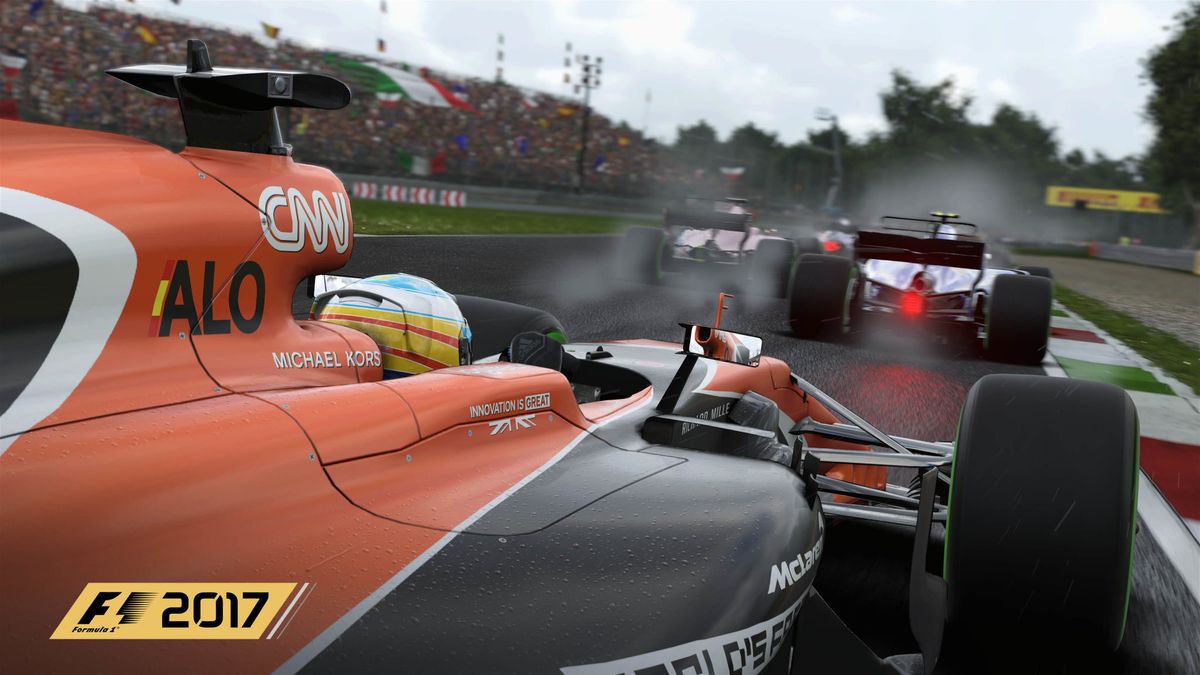
F1 2018 is the official video game of the 2018 Formula One World Championship, developed and published by Codemasters. It served as the competitive platform for the second season of the Formula One Esports Series, marking a significant step in the integration of virtual and real-world motorsport.
| Developer | Codemasters |
|---|---|
| Publisher | Codemasers |
| Release Date | 24 August 2018 |
| Platforms | Microsoft Windows, PlayStation 4, Xbox One |
| Official Esports Series | 2018 Formula One Esports Series |
| Esports Prize Pool | $200,000 |
| New Circuits | Circuit Paul Ricard, Hockenheimring |
| Key New Feature | Halo device (debut) |
| Esports Season Dates | 10 October - 17 November 2018 |
| Special Edition Car | Brawn BGP 001 |
Game Features and Career Mode Evolution
F1 2018 is a comprehensive simulation of the 2018 Formula One season, featuring all twenty-one circuits from the calendar, and all twenty drivers and ten teams competing that year. A central pillar of the experience is its Career Mode, which underwent substantial revisions from the previous title, F1 2017. Codemasters simplified the detailed car development system after their research demonstrated that players were losing interest before completing the full development cycle.
In the new system, players develop their cars by spending development points. These points are earned by meeting specific research and development targets during free practice sessions. Codemasters introduced a wider range of free practice programs to the game specifically to extend its longevity and engagement. A major strategic addition allows the player, at the halfway point of each championship, to end their current development cycle and bank all future development points for the next championship. This function has renewed importance because teams are subject to rule changes at the end of each season which can potentially compromise the car's performance, making forward planning essential.
Classic Content and New Additions
The game continued the popular Classic Cars feature, including all models from F1 2017 and adding older cars from the sport's history. These ranged from the 1972 Lotus 72D, which took Emerson Fittipaldi to his first world championship, to rival cars like the McLaren M23 of James Hunt and the Ferrari 312T of Niki Lauda from the 1976 championship season. The special edition of the game included the Brawn BGP 001, the car with which Jenson Button and Brawn GP won the 2009 World Drivers' and Constructors' Championships, and the Williams FW25, the car Juan Pablo Montoya drove to third in the 2003 championship.
Reflecting the real 2018 season, the Circuit Paul Ricard made its debut in the series. The Hockenheimring, which was last featured in F1 2016, made its return. The most visible technical update was the introduction of the halo cockpit protection device, mandated by the new 2018 regulations. The game also integrated the official Formula One theme song, composed by Brian Tyler, into certain parts such as the game's intro cinematic, and the pre-race and post-race scenes, enhancing the broadcast-style presentation.
Multiplayer and the Esports Foundation
F1 2018's online multiplayer mode was built with competitive integrity and structure in mind. It featured different leagues that required players to earn an obligatory number of trophies to progress. Players could win or lose trophies depending entirely on their performances in these online races. A crucial component was the Safety Rating system, which rated players based on their overall cleanliness. Actions such as cutting corners or colliding with other cars had a negative effect on this rating, mirroring the real-world Super License system for Formula 1 drivers in a bid to promote clean, skilled racing.
This focus on structured online competition was deliberate and foundational. Following the 2017 debut of the esports series, the Formula One Esports Series fully embraced F1 2018 as its official platform for the 2018 season. The Fédération Internationale de l'Automobile (FIA) and commercial rights holder Liberty Media had announced plans to trial real-world regulation changes through this virtual series, leveraging the game's accurate simulation. The game's mechanics provided the foundation for a professional esports ecosystem where the fastest virtual drivers could be drafted by real F1 teams.
The 2018 Formula One Esports Series Structure
The 2018 Formula One Esports Series was the second season of the championship and Formula 1's first full season in esports. It was split into two distinct stages. The first stage opened in April 2018, where online racers on all three platforms were offered the chance to qualify by setting the quickest lap times under specified conditions, such as racing for Mercedes at the Shanghai International Circuit in wet conditions.
The alien elite who qualified from this online phase then progressed to the Pro Series. This consisted of three live events held at London's Gfinity Esports Arena on October 10th, October 31st, and culminating in the Grand Final on November 17th. The live events used F1 2018, while the initial qualification runs were held on F1 2017. The series boasted a total prize pool of $200,000, a significant sum that underscored the growing seriousness of the venture. The season ended with a pulsating climax in London as the battles for the driver and team championships were decided.
Development and Censorship Details
The development of F1 2018 was influenced by the growing synergy between the virtual and real-world sports. The decision to use the game for the esports series was announced ahead of its release, with the qualification process beginning even as the game was in beta testing. Codemasters opened beta applications for F1 2018 on all platforms, allowing players to get a head start on the digital season.
A minor but notable censorship detail involved the Williams team's livery. The real Martini & Rossi red stripes on the car were replaced with blue stripes in the game, likely due to licensing or branding regulations concerning alcohol advertising in video games across certain regions.
Commercial and Critical Reception
Upon its release, F1 2018 was a major commercial success. In the United Kingdom, it was the bestselling game during its first week on sale. Across Europe, the Middle East, and Africa, it was the top-selling physical retail game throughout the week beginning August 26, 2018, and the second-best selling digital game in the same period. In Japan, the PlayStation 4 version sold 5,517 copies during its first week of release.
The game received positive reviews from critics, who praised it as an excellent representation of Formula One. Reviewers noted that its annual update again improved on what came before it, while accurately delivering a top experience of the sport. Its success was twofold, confirming its reputation as a refined simulation for solo players and establishing its credibility as the backbone of a lucrative and professionally organized esports series.
FAQ
When was F1 2018 released and on what platforms?
F1 2018 was released on 24 August 2018 for Microsoft Windows, PlayStation 4, and Xbox One.
What was the prize pool for the 2018 F1 Esports Series?
The total prize pool for the 2018 Formula One Esports Series, which used F1 2018 for its live events, was $200,000.
What new real-world feature debuted in the F1 game series with F1 2018?
The halo cockpit protection device, introduced by the 2018 Formula One regulations, made its first appearance in the F1 video game series with F1 2018.
How did the Career Mode development system change from F1 2017?
Codemasters simplified the system. Players now earn development points from practice session targets and can strategically choose to bank all future points for the next championship at the season's midpoint, a crucial choice due to potential rule changes affecting car performance.
Which classic F1 cars were new additions in F1 2018?
New classic cars included the 1972 Lotus 72D, the McLaren M23, the Ferrari 312T, the Brawn BGP 001 (in the special edition), and the Williams FW25, alongside all classic cars from F1 2017.
Source: English Wikipedia (CC BY-SA), rewritten by the Redington Cybersport desk.