Age of Mythology
Age of Mythology is a real-time strategy video game released in 2002, blending historical cultures with mythological warfare. As a spin-off from the Age of Empires series, it carved out a distinct competitive scene focused on its god powers and myth units. Its enduring appeal led to expansions, a remaster, and a dedicated multiplayer community that thrives in tournaments worldwide.
| Developer | Ensemble Studios |
|---|---|
| Publisher | Microsoft Game Studios |
| Initial Release | 2002 |
| Platforms | Microsoft Windows, Mac OS X |
| Game Type | Real-time strategy |
| Expansions | The Titans (2003), Tale of the Dragon (2016) |
| Remaster | Age of Mythology: Retold (2024) |
| Multiplayer Service | ESO (Ensemble Studios Online) |
Core Gameplay and Mechanics
The foundation of Age of Mythology is classic real-time strategy. Players gather resources, build towns, and raise armies to defeat opponents. Progression is defined by advancing through four Ages, from the Archaic to the Mythic Age. Each advancement unlocks new units, technologies, and buildings, requiring strategic planning and resource management.
Resources are central to this growth. Players must collect food, wood, gold, and a resource called favor. Each of the three cultures, the Greeks, Egyptians, and Norse, gathers favor in a different way, such as praying at temples or building monuments. These resources fund everything from training villagers to researching powerful upgrades that increase economic or military efficiency.
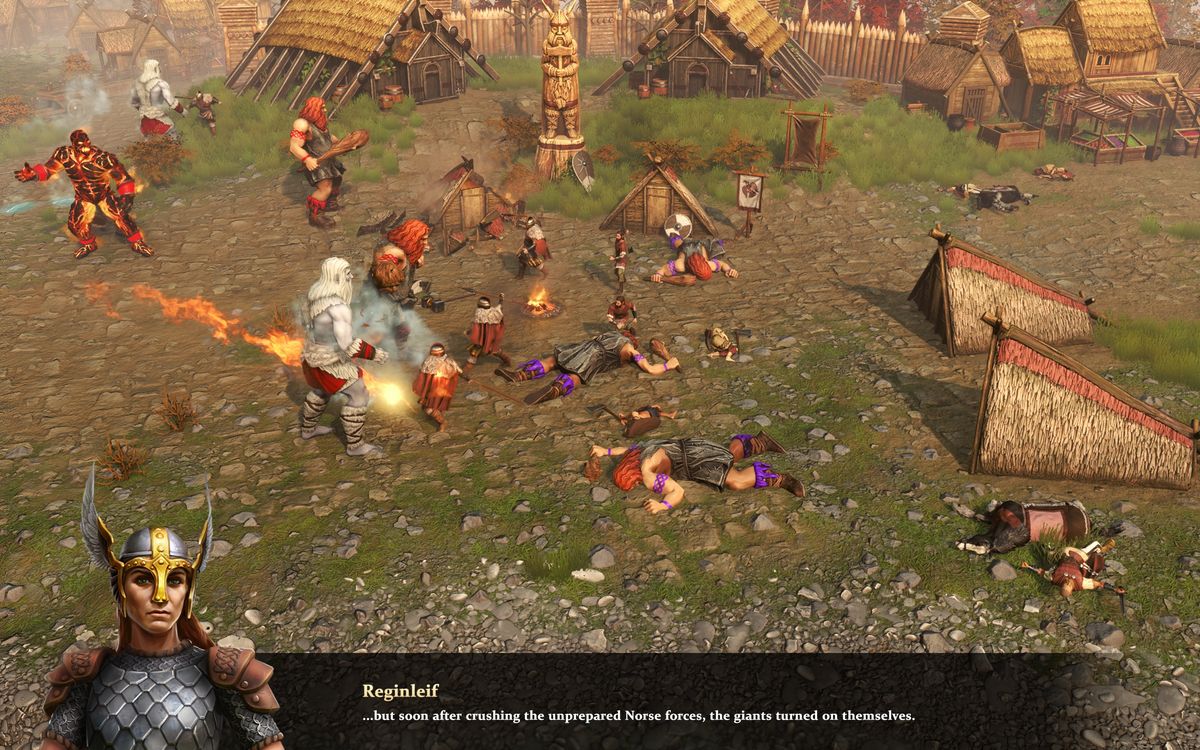
Strategic depth comes from the rock-paper-scissors combat system. Infantry, archers, and cavalry counter each other in a predictable cycle, while siege units excel against buildings. A key twist is the inclusion of myth units, powerful creatures from legend that are vulnerable to heroes. Heroes themselves are special units that can collect relics for bonuses and are essential for countering mythological threats.
Cultures, Gods, and Divine Powers
The game's identity is built on its three playable cultures: Greeks, Egyptians, and Norse. At the start of a match, a player chooses a major god, such as Zeus, Ra, or Odin. This choice defines a core set of bonuses and units. Each time a player advances to a new Age, they select a minor god, further customizing their civilization's strengths with technologies and myth units.
The most dramatic tools granted by the gods are god powers. These are one-time special abilities that can turn the tide of a match. A god power might summon a meteor strike on an enemy army, freeze resources, or provide a massive economic boost. The strategic use of these powers, knowing when to deploy them for offense or defense, is a critical skill in high-level play.
Competitive Multiplayer and Game Modes
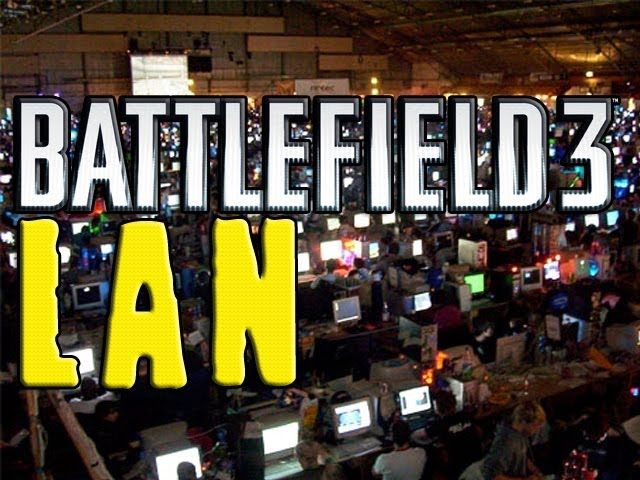
Age of Mythology's competitive scene was built on its multiplayer functionality, originally hosted on the Ensemble Studios Online service. While new account creation ended in 2011, the platform allowed for matchmaking and player communication, similar to other major online gaming services. The game supported popular LAN tournaments and events at computer gaming lounges.
Players could compete in several standard game modes. Supremacy is the classic mode with a randomly generated map. Conquest requires the total defeat of all opponents. Deathmatch starts players with a large stockpile of resources for immediate action. Other modes include Nomad, where players begin with only a single civilian unit, and King of the Hill, which focuses on controlling a central point on the map for a set duration.
Victory conditions add another layer. While military conquest is most common, a player can also win by constructing a Wonder and defending it for ten minutes, or in Sudden Death mode, by destroying an opponent's Town Center and preventing its reconstruction. These varied objectives encourage diverse strategic approaches in competition.
The Rise of the Competitive Scene
From its release, Age of Mythology attracted players from the broader Age of Empires community and new strategy fans drawn to its mythological theme. The game's balance between familiar mechanics and new elements like god powers created a high skill ceiling. Tournaments, both online and at LAN parties, became popular worldwide, with players gathering to test their strategies.
The competitive meta evolved around mastering economic efficiency, known as booming, and executing precise military timing attacks. Player skill was demonstrated through rapid advancement through the Ages, effective use of the rock-paper-scissors unit counters, and the decisive deployment of god powers. The differences between cultures meant players often specialized, developing deep expertise in one civilization's playstyle.
Evolution Through Expansions and Re-release
The game's longevity was supported by significant post-release content. The first expansion, The Titans, released in 2003, added a new civilization, the Atlanteans, and the powerful Titan units, which became game-ending super-weapons in competitive matches. This changed strategic priorities, as players had to balance early aggression with the long-term threat of a Titan.
Years later, the community received a major update with the Extended Edition on Steam in 2014, which improved compatibility for modern systems. This was followed by a second expansion, Tale of the Dragon, in 2016, which introduced the Chinese civilization. The announcement and subsequent release of Age of Mythology: Retold in 2024, a comprehensive remaster, revitalized interest and promised to usher in a new era for its competitive community with updated graphics and systems.
Legacy and Lasting Appeal
Age of Mythology's legacy in esports is one of a cult classic. It never reached the scale of some other major real-time strategy names, but it maintained a passionate and dedicated player base for over two decades. Its setting and mechanics ensured it was never just a clone of its predecessors, offering a competitive experience of its own.
The game is remembered for its deep strategic gameplay, the thrilling impact of mythological units and god powers, and a campaign that wove an epic narrative across cultures. The sustained activity of its community, the success of its expansions, and the launch of a modern remaster are proof of its enduring design. For strategy fans, it remains a beloved title where the gods themselves are part of the battle plan.
FAQ
What is the main goal in Age of Mythology?
The primary goal is to build a civilization, gather resources, raise an army, and defeat your opponents. Players advance through four Ages to unlock stronger units and technologies. Victory can be achieved by destroying all enemy forces and buildings, or through specific conditions like building and defending a Wonder.
How many cultures can you play in Age of Mythology?
The base game features three playable cultures: the Greeks, Egyptians, and Norse. Expansions later added the Atlantean and Chinese civilizations, each with gods, units, and ways of gathering the special favor resource.
What are god powers in Age of Mythology?
God powers are one-time special abilities granted by the major or minor god a player chooses. They can provide a major economic boost, damage enemy units or buildings, or apply other powerful effects. Their strategic use is a key part of competitive play.
Can you still play Age of Mythology online?
Yes, multiplayer is available. The original service, Ensemble Studios Online, stopped allowing new account creation in 2011, but existing accounts could still be used. The modern Steam release, Age of Mythology: Extended Edition, and the 2024 remaster, Retold, provide updated platforms for online play.
What is a myth unit?
Myth units are powerful creatures from mythology, such as minotaurs or frost giants. They deal heavy damage to standard human military units but are highly vulnerable to hero units. Managing an army with a mix of human soldiers, heroes, and myth units is essential for success.
Source: English Wikipedia (CC BY-SA), rewritten by the Redington Cybersport desk.