Dota 2 Ranking System Explained: How MMR and Glicko Algorithm Define Your Skill
The system uses a Glicko algorithm with Rank Confidence and fixed MMR gains, with separate medals ending at Immortal.

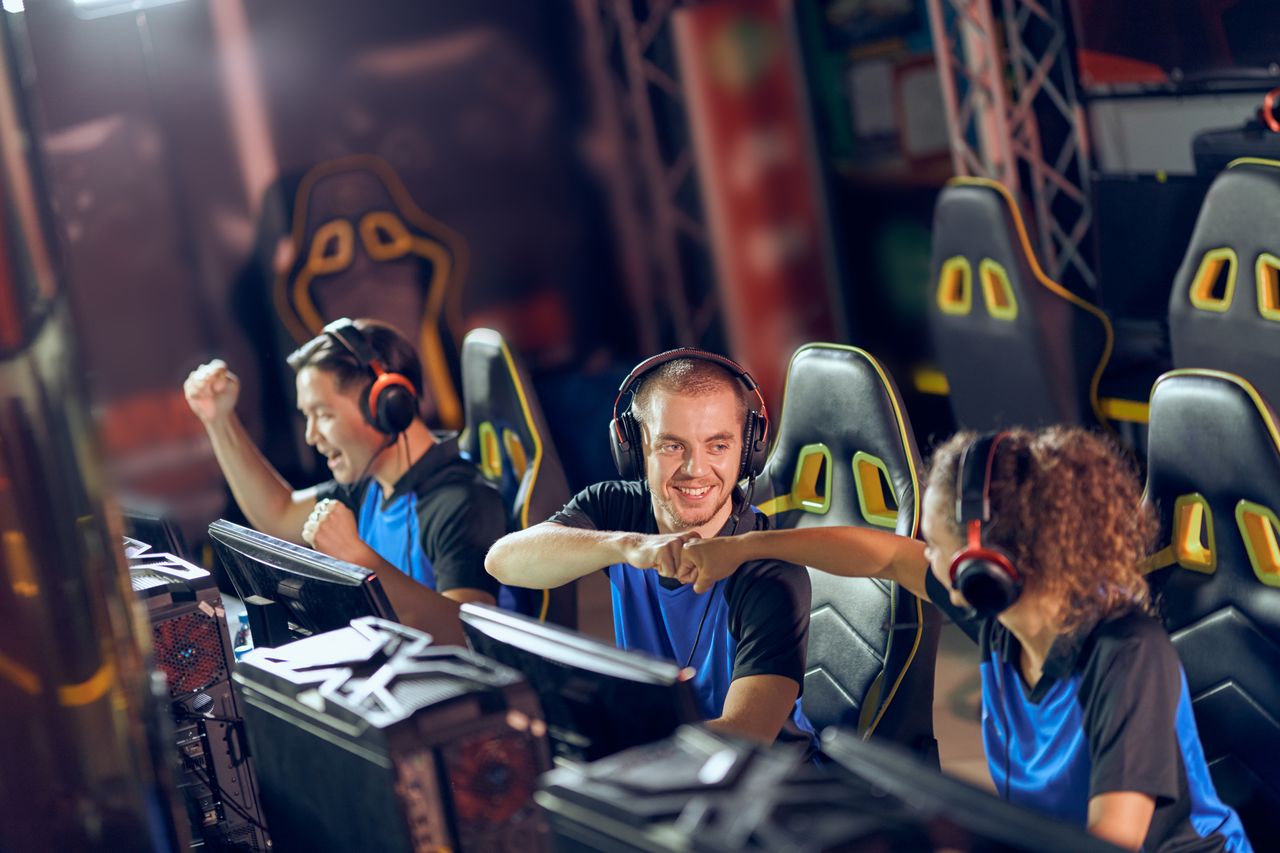
The Dota 2 ranking system uses a Glicko algorithm to determine player skill, factoring in a hidden MMR number and a Rank Confidence parameter.
There are eight main progression levels, almost each divided into five subtiers indicated by Roman numerals from I to V.
The system awards an average of 25 MMR points for a win and deducts the same amount for a loss, focusing solely on the destruction of the enemy throne rather than personal statistics.
"The reward and punishment are fixed for all members of the team," the notes state.
The medal is a public display, while MMR is the hidden numeric rating used for matchmaking.
After reaching the Immortal rank, the five-star system ends and players enter a regional leaderboard.
If a player's MMR is not high enough to enter the top 5,000 of their region, they remain an Immortal with no number displayed on their medal.
The leaderboards are public and updated in real time.
Valve eliminated separate MMRs for different roles in spring 2020, and with the global patch 7.33, known as "New Frontiers," a player's rating became a single, unified figure.
It does not matter if a player carries from the midlane or supports from the fifth position, the MMR changes the same way.
Players can check their current calibration status and exact MMR in the hero stats tab of their profile.
Owen Harsono, a pro player ranked 1770th in Southeast Asia's Immortal leaderboard, emphasizes that at high levels the game turns into survival chess.
"His experience confirms that the system is ruthless towards those who lose concentration," the notes say.
Effective MMR improvement today is based on three pillars: a narrow hero pool, strict discipline, and an understanding of map timings and economics.
The path from the lowest rank, "Recruit," to higher tiers is not about luck but requires a personal win rate well above 50% over many games.
The notes advise lower-ranked players to stop playing a wide variety of heroes and to implement a core strategy, avoiding endless fights under enemy towers without an advantage.
At middle ranks, strategies shift towards team actions and macro solutions, with a focus on taking resources for every action.
At Ancient rank and above, details, knowledge of match-ups, and a deep understanding of the pace of the game decide outcomes.
Mechanical skill through cold practice is what separates the professional from the amateur, according to the notes.
The goal is to remove randomness and become a machine that repeats successful patterns, with a hero pool of five to seven flexible characters recommended for completing various tasks.
"Winning the draft is a 50% success rate, but only if you understand what to do next on the map," the notes state.
Macro play, including map work, is the foundation for climbing the ranks in 2026.
Specific macro fundamentals include using wards not for decoration but to kill, placing them deep and blocking the enemy's vision after fights.
Control of the Roshan area and securing the Aegis is described as a base for any serious approach to the enemy throne.
Players are advised to always pressure at least one lane, which forces the enemy to reveal themselves and provides information for maneuvers.
"By developing macro, you stop hoping for highlights and start winning systematically," the notes conclude.