The International 2017
The International 2017 (TI7) was the seventh edition of the annual Dota 2 world championship, hosted by Valve. It set a new esports record with a prize pool of nearly $25 million, crowdfunded by the game's community. The tournament culminated with Team Liquid sweeping Newbee 3-0 in the Grand Finals to claim the title.
| First held | August 2017 |
|---|---|
| Location | KeyArena, Seattle |
| Game | Dota 2 |
| Developer | Valve |
| Format | Double elimination |
| Prize pool | $24,787,916 |
| Champion | Team Liquid |
| Runner-up | Newbee |
| Grand Finals result | 3-0 |
| Total teams | 18 |
Background and Gameplay
The International 2017 centered on Dota 2, a multiplayer online battle arena game released by Valve in 2013. In the game, two teams of five players each select from a roster of hero characters, each with its own abilities. The objective is to cooperate to destroy the opposing team's base while defending your own. The map features three lanes protected by automated towers, and each base periodically spawns armies of non-player creeps that march down these lanes. Players view the action from a top-down perspective, with a limited view of the map around their hero and a minimap showing allies and revealed enemies.
A critical strategic layer is the pre-game draft. Before each match, team captains take turns selecting and banning heroes. Each hero can only be picked by one player per match, making the draft a contest of strategy to secure powerful combinations for your team while denying key counter-picks to the opponent. The draft order is decided by a coin toss, with the team losing the toss choosing which side of the map to defend. At the time of TI7, there were 113 playable heroes in Dota 2.
Tournament Format and Qualification
The tournament structure began with online regional qualifiers in June 2017. Valve expanded the format from previous years, splitting the Americas into separate North and South America regions and establishing a distinct Commonwealth of Independent States (CIS) region separate from Europe. This created six qualifying regions in total: CIS, China, Europe, North America, South America, and Southeast Asia.
These qualifiers produced twelve teams that joined six directly invited squads, bringing the total participant count to 18, an increase from the 16 teams at the previous International. The group stage, held from August 2 to 5, consisted of two round-robin groups of nine teams each playing best-of-two series. The lowest-placed team from each group was eliminated. The remaining 16 teams advanced to the double-elimination main event at Seattle's KeyArena from August 7 to 12. The top four teams from each group started in the upper bracket, while the bottom four entered the lower bracket.
The Main Event Bracket
The main event followed a strict double-elimination format. In the upper bracket, all matches were best-of-three, with winners advancing and losers dropping to the lower bracket. The lower bracket's first round was a high-stakes best-of-one, with the loser immediately eliminated from the tournament. All subsequent lower bracket matches were best-of-three. The winner of the upper bracket advanced directly to the Grand Finals, while the winner of the lower bracket fought through to join them. The Grand Finals themselves were a best-of-five series.
A notable absence was the defending champion, Wings Gaming, who had disbanded earlier in 2017. This marked the first time a reigning International champion did not return to defend the title. Furthermore, the rosters of two qualified teams, Planet Dog and Team NP, were signed by the organizations HellRaisers and Cloud9 respectively after qualifying, a move permitted under Valve's rules as long as the player lineup remained unchanged.
Broadcast and Production
The event's presentation saw a mix of continuity and change. Seattle reporter Kaci Aitchison returned as co-host and interviewer, a role she had held in prior years. However, the desk host from the previous two tournaments, Paul 'ReDeYe' Chaloner, was not invited. His role was filled by two new hosts: Alex 'Machine' Richardson, known from Counter-Strike, and StarCraft personality Sean 'Day[9]' Plott.
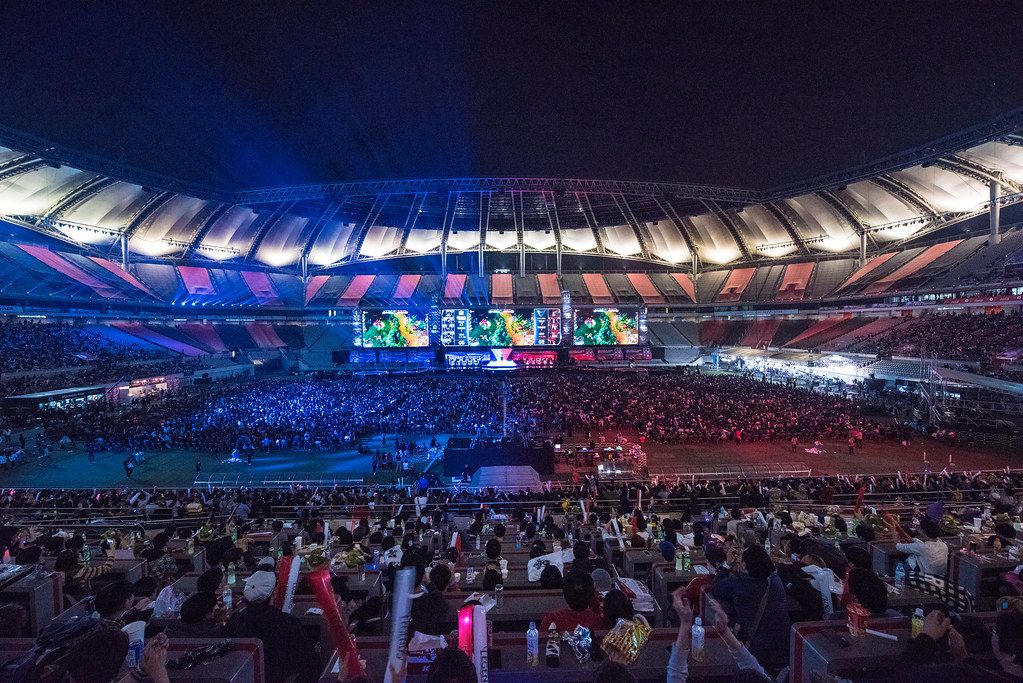
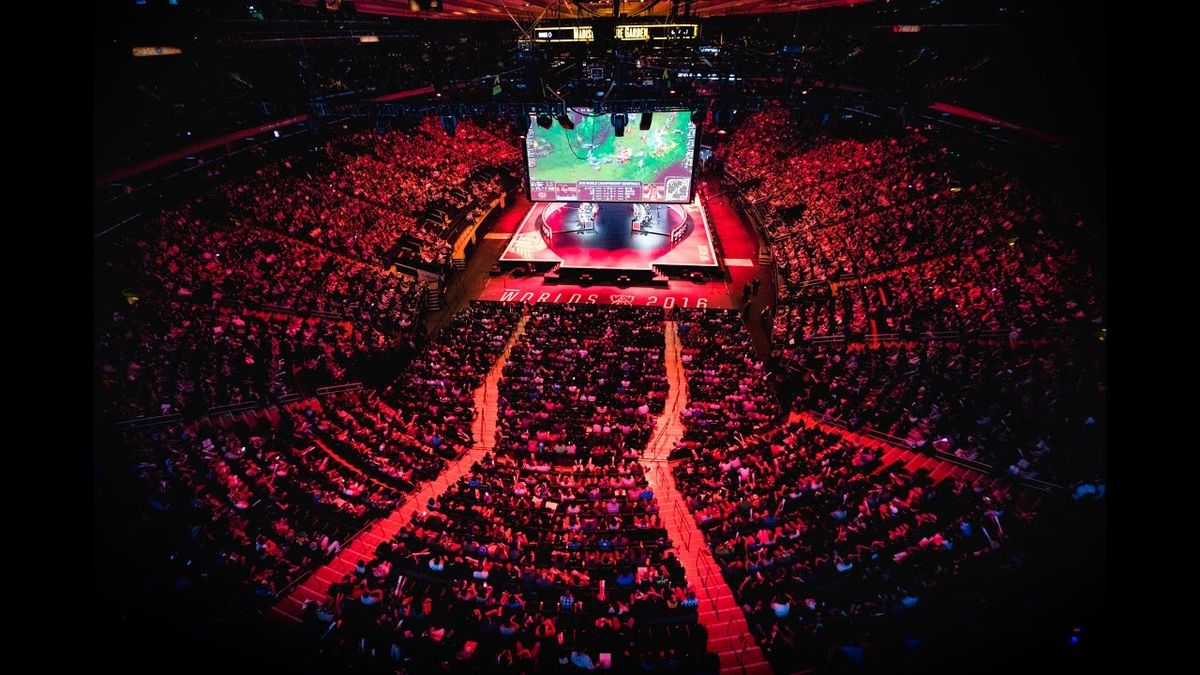
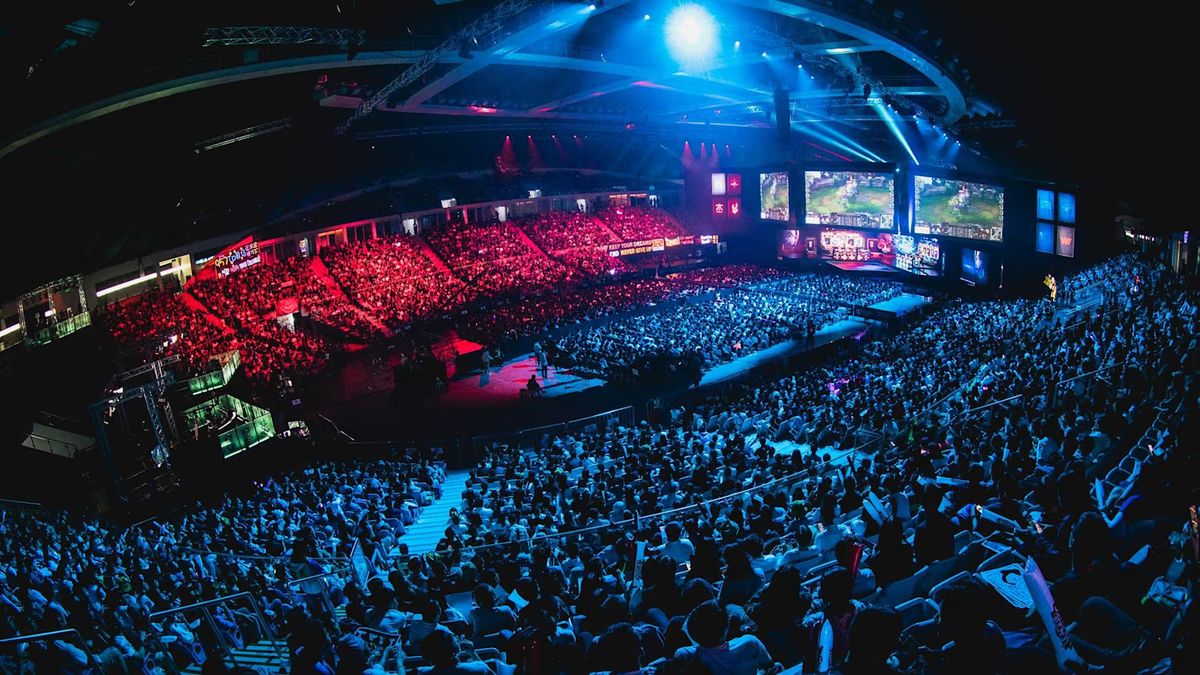
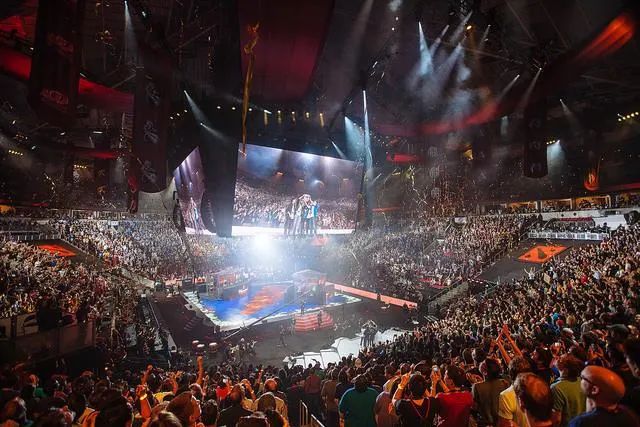
The matches were available to watch through Dota 2's own in-game spectating client and on the live streaming platform Twitch. Valve reported that concurrent viewership across all platforms surpassed five million during the event, setting a new record for The International. The KeyArena was filled to its capacity of over 15,000 fans, and over 400,000 viewers watched the Grand Finals on Twitch alone.
The Championship Decided
The Grand Finals pitted the upper bracket winner, the Chinese team Newbee, against the lower bracket survivor, the European team Team Liquid. Team Liquid delivered a commanding performance, winning the first two games in a decisive manner. Facing a sweep, Newbee attempted a significant shift in their drafting strategy for the third game in an effort to disrupt Liquid's momentum.
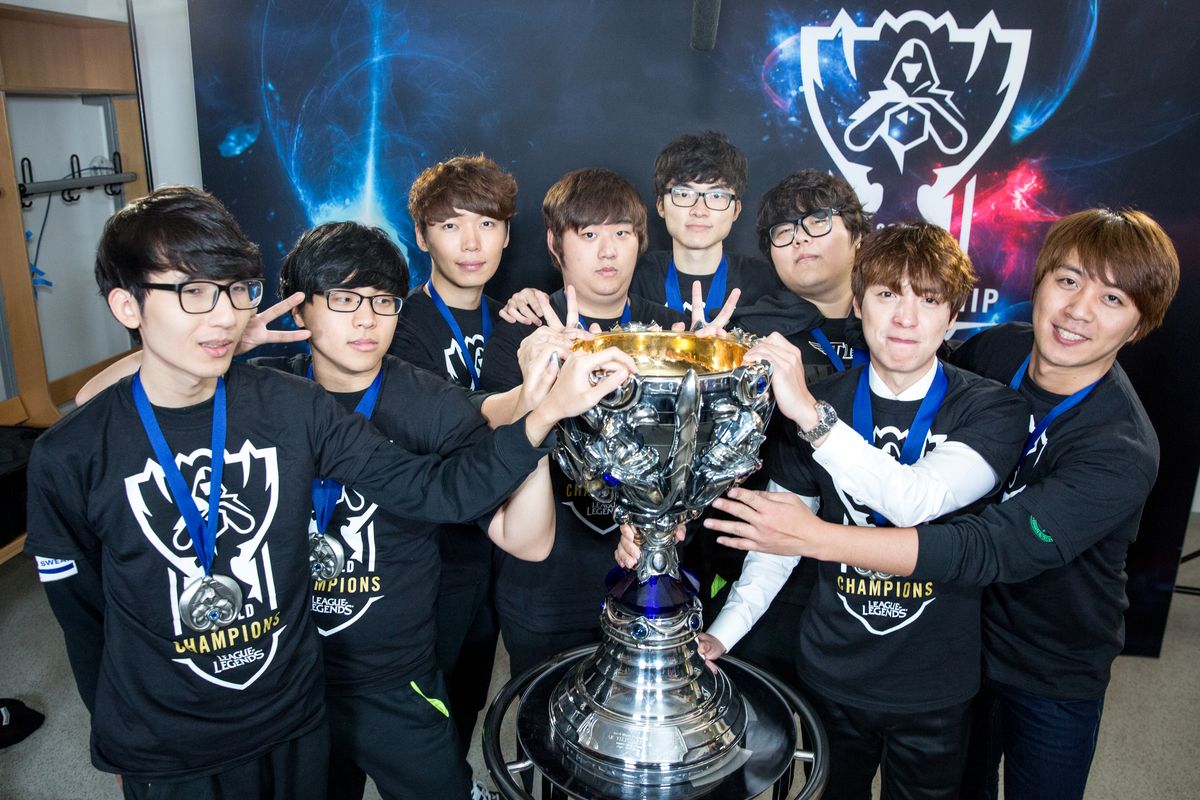
This adjustment proved unsuccessful. Team Liquid secured early control of the third game and maintained relentless pressure, advancing swiftly on Newbee's base. They overwhelmed Newbee's defenses to secure a 3-0 series victory. This clean sweep made Team Liquid the first champion in The International's history to shut out their opponent in the Grand Finals. For their victory, Team Liquid claimed nearly $11 million from the tournament's massive prize pool.
Prize Distribution and Record
The total prize pool for TI7 finalized at $24,787,916. This sum was generated entirely by the Dota 2 community through the purchase of the in-game Compendium, with 25% of each sale contributing directly to the pool. It stood as the largest prize pool in esports history until the following year's event surpassed it. The distribution awarded the champion, Team Liquid, the largest share. Runner-up Newbee received a multi-million dollar prize, with decreasing amounts awarded to all other participating teams based on their final placement.
Associated Events and Lasting Impact
Beyond the core competition, TI7 hosted several fan-focused events with independent prize pools. These included an All-Star match featuring players voted in by Compendium owners, a fan cosplay competition, and a Dota 2 short film contest. Valve also made major announcements during the event, releasing a teaser trailer for Artifact, a digital card game set in the Dota universe, and revealing two new playable heroes for Dota 2.
A memorable live demonstration featured professional player Dendi playing a 1v1 match against an OpenAI machine learning bot, which defeated him. This was the first public presentation of the AI project that would later become the OpenAI Five. The tournament's legacy includes a four-part TBS documentary series, 'Eleague: Road To The International Dota 2 Championships', which followed compLexity Gaming's attempt to qualify. The Grand Finals were later detailed in an episode of Valve's own documentary series, True Sight, preserving the narrative of Team Liquid's lower-bracket run and ultimate victory.
FAQ
Who won The International 2017?
Team Liquid won The International 2017. They defeated Newbee 3-0 in the Grand Finals, becoming the first team to sweep a TI Grand Finals series.
What was the prize pool for TI7?
The prize pool for The International 2017 was $24,787,916. It was crowdfunded by the Dota 2 community through the game's Compendium and was a record for an esports tournament at the time.
Where was The International 2017 held?
The main event for The International 2017 was held at the KeyArena in Seattle, Washington. The online qualifiers took place in June before the arena event in August.
How many teams competed in TI7?
A total of 18 teams competed in TI7. This was an expansion from previous years, with six teams receiving direct invitations and twelve qualifying through regional online qualifiers.
What was unique about the OpenAI demonstration at TI7?
At TI7, a live 1v1 demonstration was held between pro player Dendi and an OpenAI machine learning bot. Dendi lost the match, marking the first public presentation of AI capable of competing against top human players in Dota 2.
Source: English Wikipedia (CC BY-SA), rewritten by the Redington Cybersport desk.