2026 Valorant Champions Tour
The 2026 Valorant Champions Tour is the sixth season of Riot Games' premier global circuit for its tactical shooter, Valorant. It marks the final year of the franchised league system before a switch to open qualifiers, ending with the world championship, Valorant Champions, in Shanghai. The season is characterized by major format changes, team movements across its four international leagues, and an expanded competitive calendar.
| First held | 2026 |
|---|---|
| Season began | January 15, 2026 |
| Final event | 2026 Valorant Champions |
| Champions location | Shanghai, China |
| Champions dates | September 24 – October 18, 2026 |
| Champions prize pool | $2,250,000 |
| Total teams | 48 |
| International Leagues | Americas, EMEA, Pacific, China |
| Developer | Riot Games |
| Game | Valorant |
A Season of Transition and Change
The 2026 VCT season is a landmark one, serving as the fourth and final campaign under the franchised partner team system. Riot Games announced that the circuit would move to an open qualifier format starting in 2027, making this the last season for the current league structure. This context of impending change added a layer of significance to the entire competitive year.
Beyond the structural shift, the season introduced major format revisions to the competition itself. The most notable change was the removal of the Ascension tournament for the Americas, EMEA, and Pacific leagues. Instead, a pathway for Challenger teams was integrated directly into the Stage 2 playoffs via a new play-in stage. Furthermore, the season-opening Kickoff tournament was overhauled with a novel triple-elimination format, which also led to the first Masters event of the year growing from eight to twelve teams.
Team Movements Across the Leagues
The off-season and early season were marked by significant roster instability across the international leagues, driven by partnership terminations and promotions. In VCT Americas, ENVY earned promotion by winning the 2025 Ascension tournament, replacing the relegated 2Game Esports. This marked ENVY's comeback to top-tier Valorant after the organization changed its name to OpTic Gaming in 2022.
The EMEA league saw considerable upheaval. Movistar KOI had its partnership terminated and slot removed in September 2025 for violating the Team Participation Agreement. The slot was later awarded to Gentle Mates in October. Furthermore, BBL PCFIC (competing as PCFIC Esports) and Ulf Esports joined via Ascension, replacing the relegated Apeks. Ulf Esports' tenure was short-lived, as the organization withdrew in March 2026 due to operational challenges and delayed payments. Their slot and roster were subsequently taken over by Eternal Fire.
In the Pacific league, Talon Esports was removed in November 2025 due to financial issues and delayed payments, with FULL SENSE acquiring its slot. SLT earned promotion through Ascension, but its slot was later acquired by VARREL before the season began. The China league started its first full tour, with every phase of each stage hosted in a different city as a build-up to the grand finale in Shanghai.
The Revamped Kickoff and Masters Santiago
The 2026 season commenced on January 15 with a radically new Kickoff tournament format in each international league. Twelve teams per league competed in a triple-elimination bracket, featuring upper, middle, and lower brackets. The four teams that qualified for the previous year's Champions received a bye to the upper bracket quarterfinals. A team's first loss sent them to the middle bracket, a second loss to the lower bracket, and a third loss resulted in elimination. The winners of the upper, middle, and lower bracket finals earned the first, second, and third seeds for Masters Santiago, respectively.
This new format directly led to the expansion of the first global event, Masters Santiago. For the first time, twelve teams competed instead of eight. The tournament used the planned Stage 1 Masters format, where the second and third seeds from each league competed in a Swiss-system stage, while the top seeds received a bye directly into the playoffs. This event set the early competitive tone and began the accumulation of crucial Championship Points.
Stage 1 and the Road to Masters London
Following Kickoff, Stage 1 of the regional leagues began. In each league, the twelve teams were split into two groups of six for a single round-robin of best-of-three matches. The top four teams from each group advanced to a double-elimination playoff bracket. The top three playoff finishers from each international league qualified for the season's second global event, Masters London.
Masters London brought together twelve teams, the top three from each league's Stage 1 playoffs. It used the same format as Masters Santiago, serving as another major international competition and a critical opportunity for teams to secure Championship Points ahead of the final push for Champions qualification.
Stage 2 and the New Challenger Pathway
Stage 2 featured the most significant structural change with the integration of the Challenger circuit. The group stage format was similar to Stage 1, but only the top two teams from each group advanced directly to the playoffs. The remaining four teams from each group entered a new play-in stage, where they were joined by the top four teams from their region's Challenger league.
This play-in stage was a double-elimination tournament. The top four teams emerging from the play-ins then joined the four direct qualifiers in the Stage 2 playoffs. The stakes were highest here, as the top two teams from these playoffs secured direct qualification to Valorant Champions. This new system replaced the Ascension tournament, providing a direct and immediate path for rising Challenger teams to compete for the world championship within the same season.
The Championship Points Race and Champions Shanghai
Running parallel to the tournament results was the season-long Championship Points system. Teams earned points based on their performance in both regional league play and international Masters events. These points became the final decider for the last slots at the world championship. After Stage 2 concluded, the two teams from each international league with the highest Championship Points totals, who had not already qualified via the Stage 2 playoffs, earned their spot at Champions.
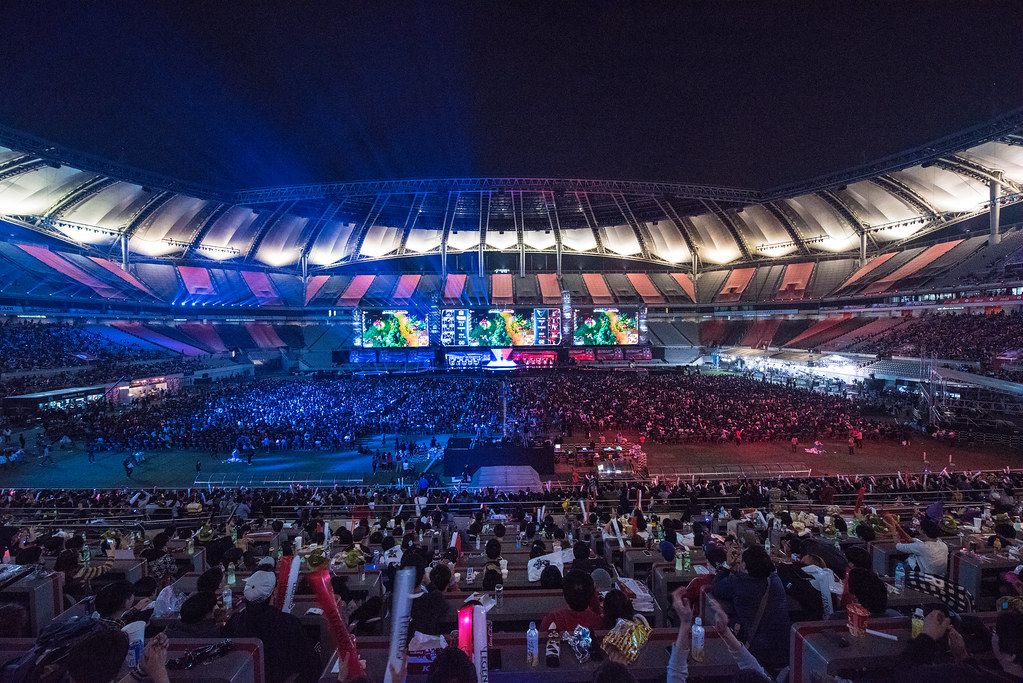
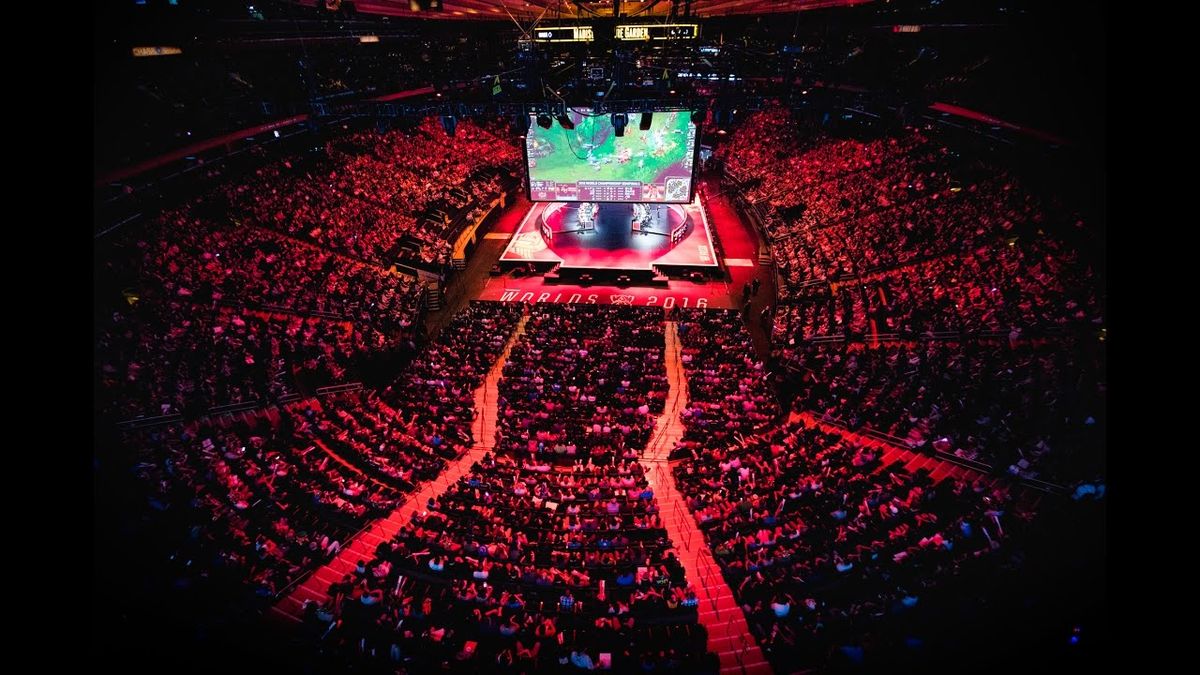
The season culminated with Valorant Champions 2026 in Shanghai, China. The tournament ran from September 24 to October 18 and featured a total prize pool of $2,250,000. Sixteen of the world's best teams competed for the title, comprising the direct qualifiers from Stage 2 playoffs and the top Championship Points earners from each league. This event in Shanghai served as the grand finale to the franchised era of the Valorant Champions Tour.
FAQ
When and where is Valorant Champions 2026?
Valorant Champions 2026 is held in Shanghai, China. The tournament runs from September 24 to October 18, 2026.
What is the prize pool for Champions 2026?
The total prize pool for the 2026 Valorant Champions tournament in Shanghai is $2,250,000.
What is the new format for the VCT 2026 Kickoff tournament?
The Kickoff tournament uses a triple-elimination format. Teams compete in upper, middle, and lower brackets. A first loss moves a team to the middle bracket, a second loss to the lower bracket, and a third loss results in elimination. The winners of each bracket's final earn seeds for Masters Santiago.
How do Challenger teams qualify for Champions in 2026?
The Ascension tournament is removed for 2026. Instead, the top four Challenger teams from each region enter the Stage 2 play-in stage, where they compete against the lower-ranked international league teams. Teams that survive the play-ins can advance to the Stage 2 playoffs and potentially qualify for Champions.
Is 2026 the last year of VCT franchising?
Yes, the 2026 season is the fourth and final season under the franchised partner team system. Riot Games announced that the Valorant Champions Tour will move to an open qualifier system starting from the 2027 season.
Source: English Wikipedia (CC BY-SA), rewritten by the Redington Cybersport desk.