Gaming house
A gaming house is a shared residence where professional esports players live and train together. Originating in South Korea for StarCraft professionals, these facilities are central to team development and performance. They combine living quarters with a dedicated practice environment, creating an ecosystem within competitive gaming.
| Concept | Co-operative living and training residence for esports players |
|---|---|
| Origin | Began in South Korea for professional StarCraft players |
| Primary Purpose | Streamlined environment for team practice and scrimmages |
| Typical Daily Practice | Six to ten hours per day |
| Common Support Staff | Psychologists, analysts, nutritionists, trainers, chefs |
| Health & Fitness | Regular physiotherapy and three fitness sessions per week |
| Variety in Facilities | Ranges from basic shared rooms to lavish suburban compounds |
| Business Model | Teams rent apartments or offices; some businesses offer full-service hubs |
The Core Concept and Structure
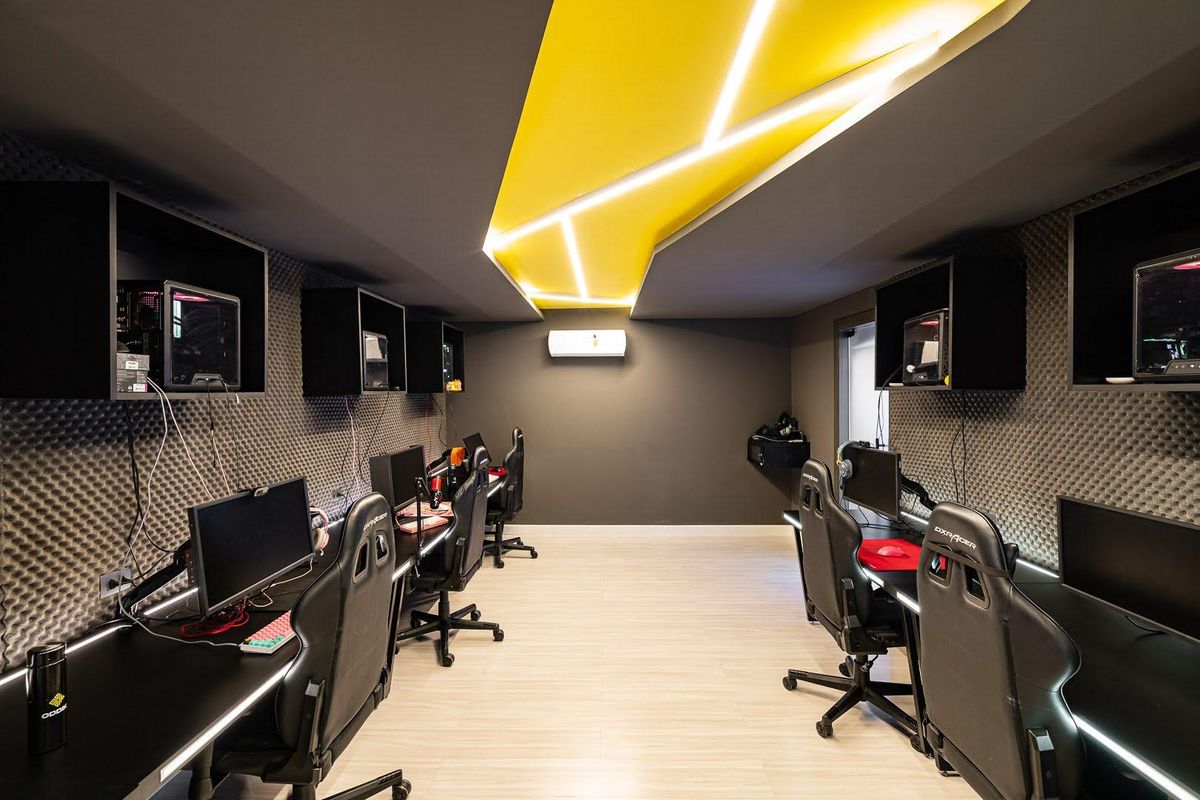
The fundamental idea of a gaming house is to consolidate a team's players into a single, controlled living and working space. This setup eliminates the logistical challenges of online coordination, allowing teammates to practice and scrimmage together in person. The environment is designed to simulate competitive conditions, fostering intense, focused training sessions that can last from six to ten hours daily.
These houses are more than just shared apartments. They are often outfitted to support every aspect of a player's professional life. Teams frequently employ in-house staff such as psychologists, analysts, nutritionists, and chefs to cater to the players' needs. The physical spaces themselves vary dramatically, from modest houses where players might share rooms with minimal furnishings to extremely lavish compounds in places like the suburbs of Los Angeles, equipped with high-end amenities.
Origins and Evolution into a Business
The professional gaming house model has its roots in South Korea, where it was pioneered for teams competing in StarCraft. This centralized approach proved effective for rigorous training and team bonding, setting a precedent that spread globally as esports grew.
Today, the concept has evolved into a formal business segment. Many teams rent apartments or offices specifically to convert into team houses. Furthermore, dedicated businesses now operate in major esports hubs, offering full-service accommodations. These establishments provide not just a place to stay and practice, but also services like catering, transport arrangements, marketing event coordination, and guaranteed high-performance computing setups with low-latency internet.
The Daily Life and Team Dynamic
Life in a gaming house is immersive and demanding. Players spend the majority of their day in what is essentially their workplace, practicing their chosen game title. This constant proximity, often 24 hours a day, forces players to learn to live together, which can strengthen team bonds through shared experiences but also has the potential to spark arguments due to the lack of privacy.
The arrangement brings a sense of tangible reality to a career that is otherwise conducted largely in virtual spaces. The shared living experience is considered an esports phenomenon, differing from the training facilities used in most traditional sports where athletes typically return to separate homes.
Addressing Health and Wellness Concerns
The intensive lifestyle of a gaming house has raised significant concerns about players' physical and mental health. The long hours of sedentary practice, combined with the high-pressure competitive environment, create specific risks. Teams have recognized the need for comprehensive support systems to mitigate these issues.
To combat physical strain and prevent injuries like those to the neck, back, and fingers, players often receive regular visits from physiotherapists and participate in three structured fitness sessions per week. Mental health support from psychologists is also common. Nutritionists and chefs are employed to ensure players eat healthy meals, countering the tendency toward poor diets due to time constraints. These services are integral to maintaining player performance and longevity.
A Spectrum of Facilities and Experiences
Not all gaming houses are created equal. They exist on a wide spectrum, reflecting the resources and philosophy of the organization. On one end, there are functional setups where the priority is cost-effective training, sometimes with players sharing rooms and basic furnishings. Examples include teams with multiple rosters, such as those fielding players for Rainbow Six Siege, Counter-Strike 2, and Rocket League, all preparing under one roof.
On the other end are luxury destinations that market themselves as high-performance bootcamps. These can be full compounds, like the Gillette Infinity Esports facility in Mexico City, where players and coaches live together and follow a strict training schedule. These premium setups aim to combine top-tier gaming infrastructure with luxury accommodation, presenting the gaming house as an aspirational part of the esports dream.
FAQ
What is a gaming house in esports?
A gaming house is a co-operative living arrangement where professional esports players from the same team live together in the same residence. It serves as both a home and a centralized training facility, allowing the team to practice and scrimmage together in person.
Where did gaming houses originate?
Professional gaming houses began in South Korea, developed initially for professional StarCraft players. This model of centralized living and training proved successful and was later adopted by esports teams around the world.
What are the health concerns associated with gaming houses?
Key concerns include the potential detriment to both physical and mental health due to long, sedentary practice hours, lack of privacy, and competitive stress. Issues like unhealthy eating habits and risks of neck, back, and finger injuries are common, which is why teams often provide fitness coaches, psychologists, nutritionists, and physiotherapists.
What kind of staff and support do gaming houses have?
Gaming houses often employ a range of support staff to cater to players' needs. This can include psychologists, analysts, nutritionists, trainers, and chefs. Players also typically receive regular physiotherapy and structured fitness sessions to maintain their health alongside their training regimen.
Are all gaming houses the same?
No, gaming houses vary greatly. They range from smaller, basic houses where players might share rooms with simple setups to extremely lavish and furnished compounds in locations like Los Angeles. Some are team-run facilities, while others are operated by businesses offering full-service accommodations with catering, transport, and event planning.
Source: English Wikipedia (CC BY-SA), rewritten by the Redington Cybersport desk.