Clan
A clan is an organized group of video game players who regularly play together, often across multiple multiplayer games. These groups, which can also be called guilds, factions, or teams, form the foundational social and competitive units of online gaming, ranging from casual friend groups to professional esports organizations.
| Also known as | Guild, faction, team, alliance |
|---|---|
| Typical genres | First-person shooters, MMORPGs, strategy games |
| Common purpose | Social play, competition, in-game cooperation |
| Typical size range | From a few friends to over 4000 players |
| Lifespan range | A few weeks to over a decade |
| Common platforms | PC, Xbox, PlayStation |
| Historical support | Specialized guild hosting services (since ~2001) |
| Notable evolution | From informal groups to developer-supported systems |
The Nature and Scope of Clans
Clans are the fundamental social structures within online multiplayer games. They are organized groups of players who commit to playing together regularly. The scale and ambition of these groups vary enormously. Some are small, informal squads of friends formed for fun, while others grow into massive organizations with thousands of members and complex hierarchies. The lifespan of a clan is equally diverse. Some groups form for a specific game or event and dissolve after a few weeks, while others endure for over a decade, evolving across multiple game titles.
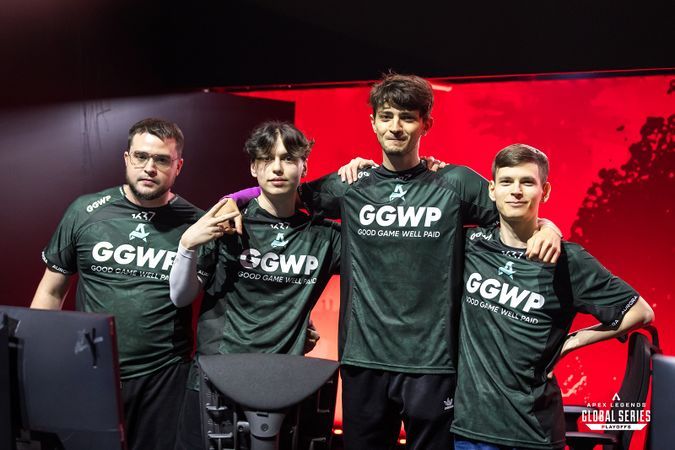
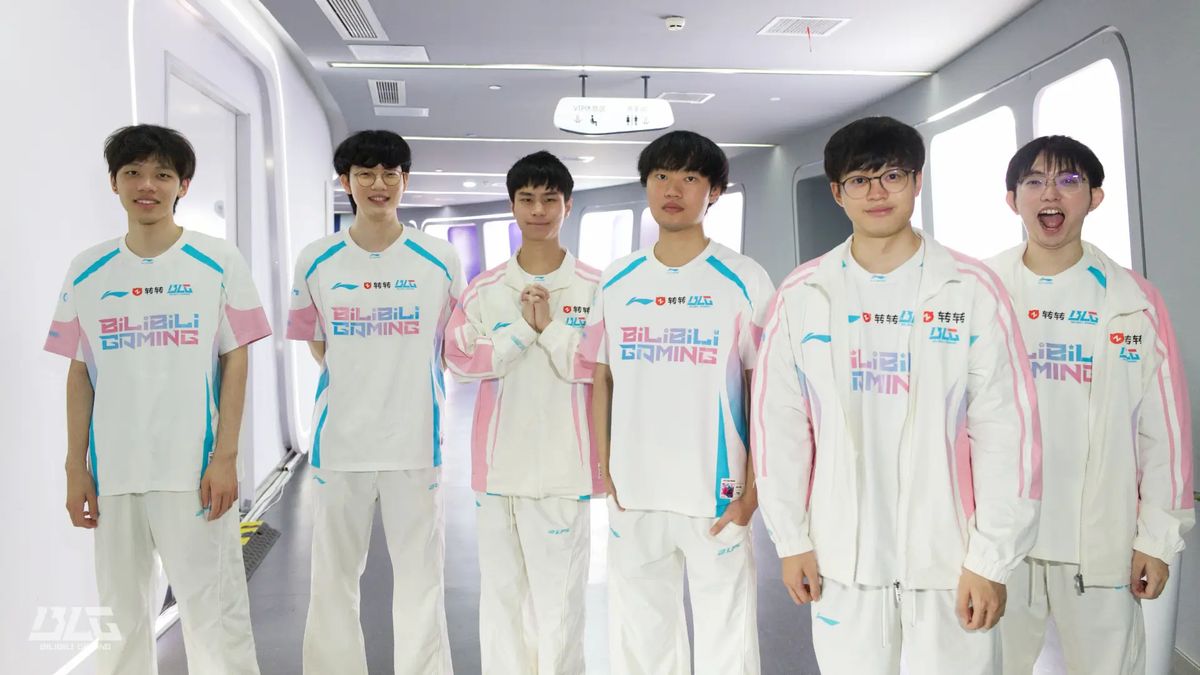
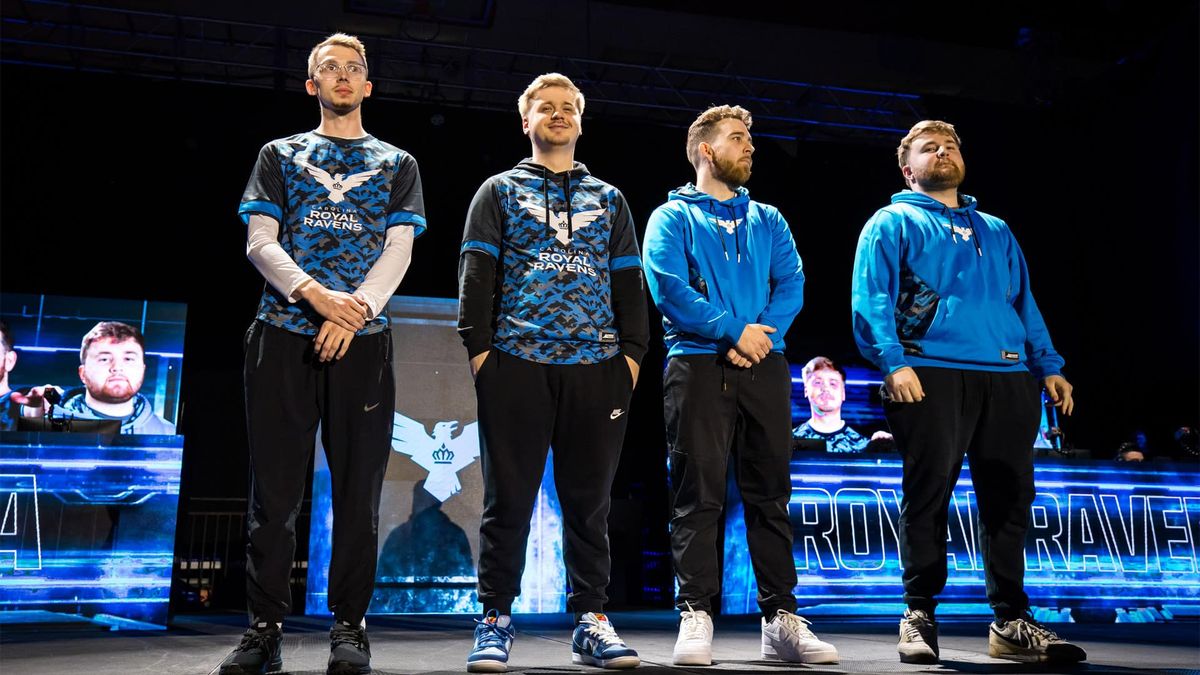
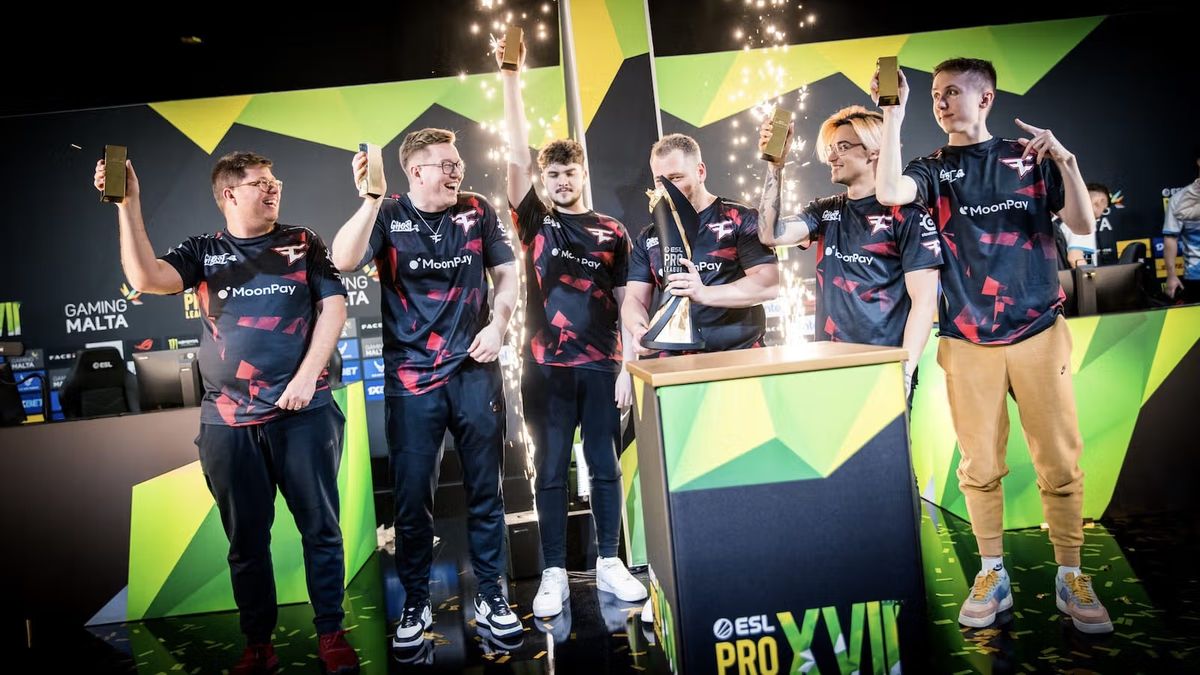
Clans exist for nearly every online game genre available, with a particularly strong presence in first-person shooters, massively multiplayer online games, role-playing games, and strategy titles. Some meta-clans even span a wide variety of different games, uniting players by community rather than a single title. Some clans formed by groups of players have grown into multi-million dollar professional esports teams, showing the potential scale of these communities.
Many clans, especially on consoles like Xbox One, PlayStation 4, and personal computers, maintain official clan websites with forums. These sites allow members to interact, discuss games and other topics, and manage the group. They often feature systems for awarding medals or recognition for clan achievements. These awards can range from recognizing time spent in the clan to competitive wins and contributions to the group like donations or providing prizes for giveaways.
Clans in First-Person Shooters
As the first-person shooter genre grew in popularity and competitiveness, the idea of a competitive clan became widely accepted. In these games, clans often transform into dedicated teams, or elite members form teams to represent the broader clan in organized online battles. This formalization marks a shift from purely social groups to entities focused on competition.
FPS clans frequently host and administer their own game servers. This allows them to enforce specific rules that suit their preferred style of play, creating a customized gaming environment for their members. For instance, if a group of gamers enjoys using pistols only, they could join or create a clan that runs a pistols-only server. The clan would then be responsible for enforcing that rule on their server, policing the gameplay to maintain their chosen format.
Guilds and Corporations in Role-Playing Games
In massively multiplayer online games and role-playing games, the concept of a clan is almost universal but is often referred to by a different name, most commonly guilds. Game developers frequently invent their own terms for these player associations to better fit the game's lore and mechanics, serving a purpose more suited to the specific game.
Star Wars Galaxies called them player associations. EVE Online uses the term corporations for its basic player groups. This game has a notably detailed and structured system. Corporations can band together into larger alliances, with each corporation potentially taking a dedicated role within that alliance. The largest player-driven formations are called coalitions, which are groupings of multiple alliances. This third-tier arrangement is not supported by the game software itself, making coalitions purely player-driven creations that demonstrate advanced levels of community organization.
Other games have their own takes that reflect their settings. In the superhero-based game City of Heroes, clans are called supergroups, and are similar in structure to comic book hero organizations like the X-Men. Final Fantasy XI uses the term linkshells, and a notable feature is that players have the tendency and ability to be in more than one linkshell at once. Final Fantasy XIV also uses the linkshell system but adds Free Companies. Free Companies allow for the more traditional form of clan and guild system seen in most MMORPGs, providing a primary, more permanent community for players alongside the more flexible linkshells.
Simulation Game Communities
Clans also thrive in simulation games, such as those in the Microsoft Flight Simulator series, following patterns similar to other genres. Notable and highly organized types in this space are virtual airlines and Virtual Military Organizations. A virtual airline is a dedicated hobby organization that uses flight simulation software to meticulously model the operations of a real-world airline.
These organizations generally have a comprehensive presence on the Internet, complete with schedules, fleets, and ranking systems, similar to a real airline's operational website. According to the Pilot Career Guide published in 1999, there were over 100 virtual airlines of significance at that time, with tens of thousands of participants active at any one time, indicating the scale and seriousness of these simulation clans.
The History and Rise of Guild Hosting Services
As online gaming communities grew more complex, a specialized industry emerged to support them. A guild hosting or clan hosting service is a specialized type of web hosting service designed to support online gaming communities. Originally, most people who decided to create a website for their guild used general-purpose bulletin board software such as vBulletin and phpBB on traditional web hosting services.
However, as the complexity of online games increased, many guilds sought more advanced management features and turned to specialized services to accommodate their needs. One of the earliest such companies was GuildPortal, formed in 2001. Competition increased significantly in 2006 with the launch of three new services: GuildCafe, which later became GamerDNA, GuildLaunch, now Gamer Launch, and MMO Guildsites, now known as Shivtr.
In 2008, two new providers joined the scene. With guilds increasingly playing more than one game, a key innovation came in 2009 when Enjin launched a new CMS with the ability to create multiple gaming divisions on one website, catering directly to the meta-clans that spanned several titles. The number of guild hosting services continues to grow with the rising popularity of Massively Multiplayer Online Roleplaying Games, highlighting the persistent demand for tools to manage these complex player communities.
From Player Creation to Integrated Game Feature
Clans began as purely player-driven, informal and often unplanned creations existing outside the formal structure of the games themselves. Over time, however, game developers recognized their critical importance to player retention and community health and began formally incorporating support for these groups into the games themselves.
Developers started building mechanisms and structures directly into game environments to facilitate clan formation, management, and activities. This shift marked a significant evolution in game design, transforming clans from external social arrangements into integral, supported features of the online gaming experience. This official support helps stabilize communities, provides in-game tools for organization that were previously managed through third-party websites, and legitimizes the clan structure as a core component of multiplayer gameplay.
The terms used for these groups can vary not just by genre but by specific game, with alliance and team also being used for this purpose in games like Illyriad or Freeciv. This integration by developers signifies the full acceptance of the clan concept as a fundamental pillar of online multiplayer gaming culture.
FAQ
What is a clan in gaming?
A clan is an organized group of video game players who regularly play together in one or more multiplayer games. They can be small friend groups or large organizations with thousands of members, and they exist across most online game genres. Some have grown into professional esports teams.
What are clans called in different types of games?
In MMORPGs they are often called guilds. Specific games use their own terms: EVE Online has corporations and alliances, City of Heroes has supergroups, and Final Fantasy has linkshells. In first-person shooters, they are typically just called clans or teams. The terms alliance and team are also used in some strategy games.
How big and how long-lasting can a gaming clan be?
Clans can range in size from just a few friends to organizations with over four thousand members. Their lifespan also varies widely, from a few weeks to more than a decade. Some groups formed by players have evolved into long-standing, multi-million dollar esports organizations.
What is the role of a clan in a first-person shooter?
FPS clans often form competitive teams to represent the group in online battles. A key function is hosting their own game servers where they can enforce specific rules that suit their preferred style of play, such as weapon restrictions, creating a customized environment for their members.
What was the significance of guild hosting services?
Guild hosting services were specialized web hosts for gaming clans that emerged as clans needed more advanced management tools. Starting with GuildPortal in 2001, these services provided features beyond standard forums, helping clans organize members, events, and communication across multiple games, which was a key innovation for clans that played more than one title.
Source: English Wikipedia (CC BY-SA), rewritten by the Redington Cybersport desk.