ToD
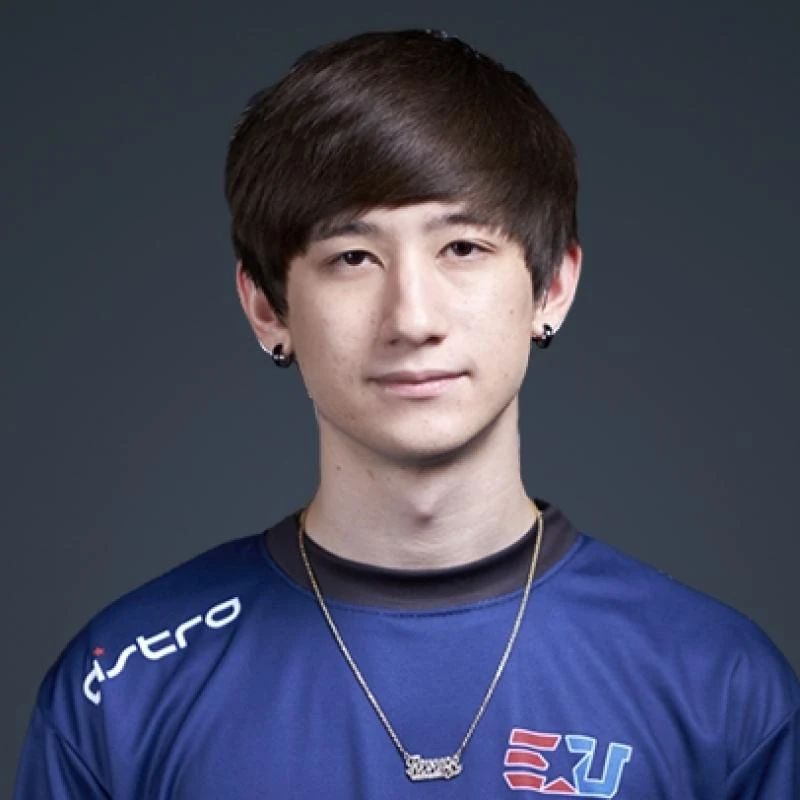
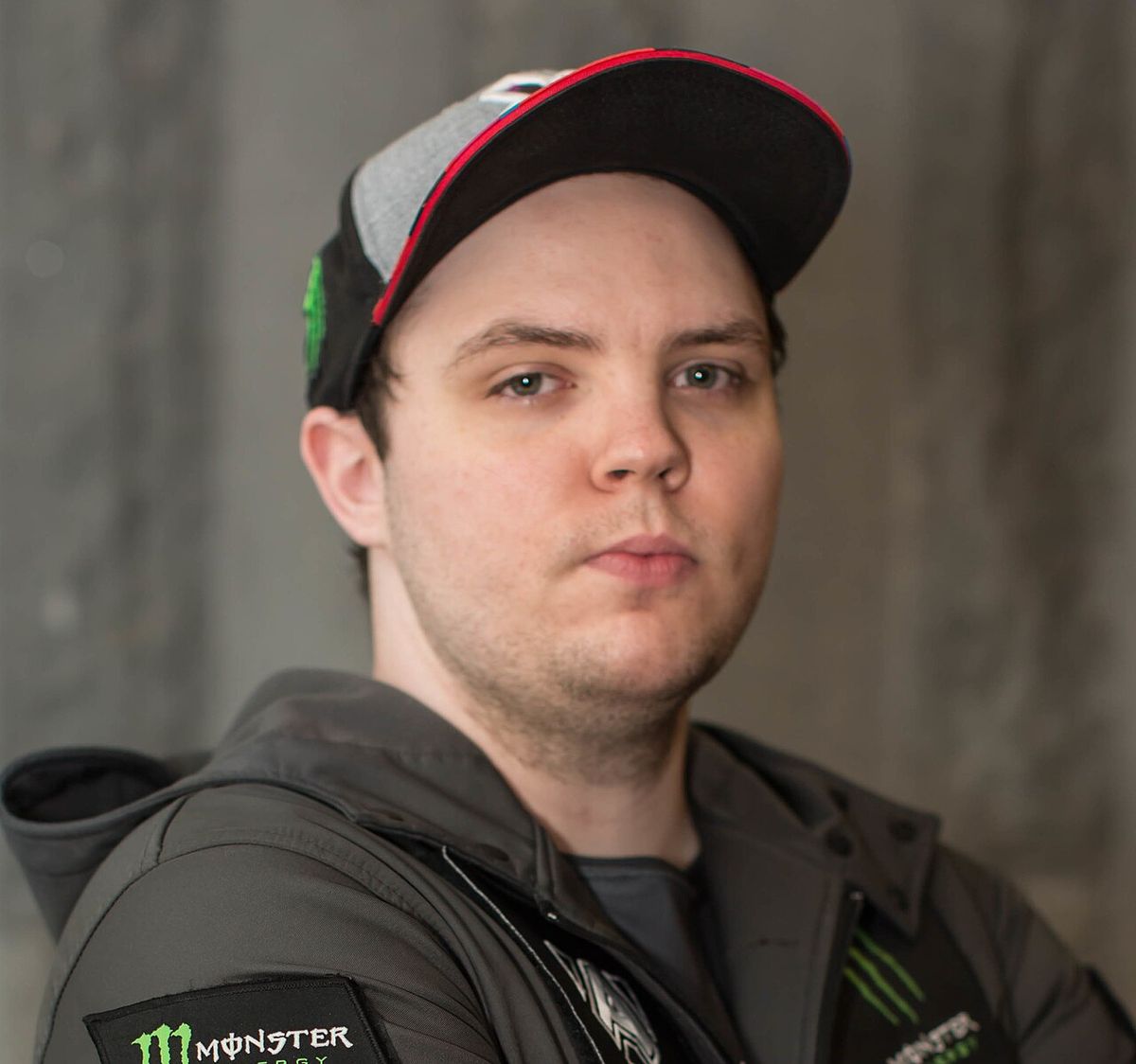
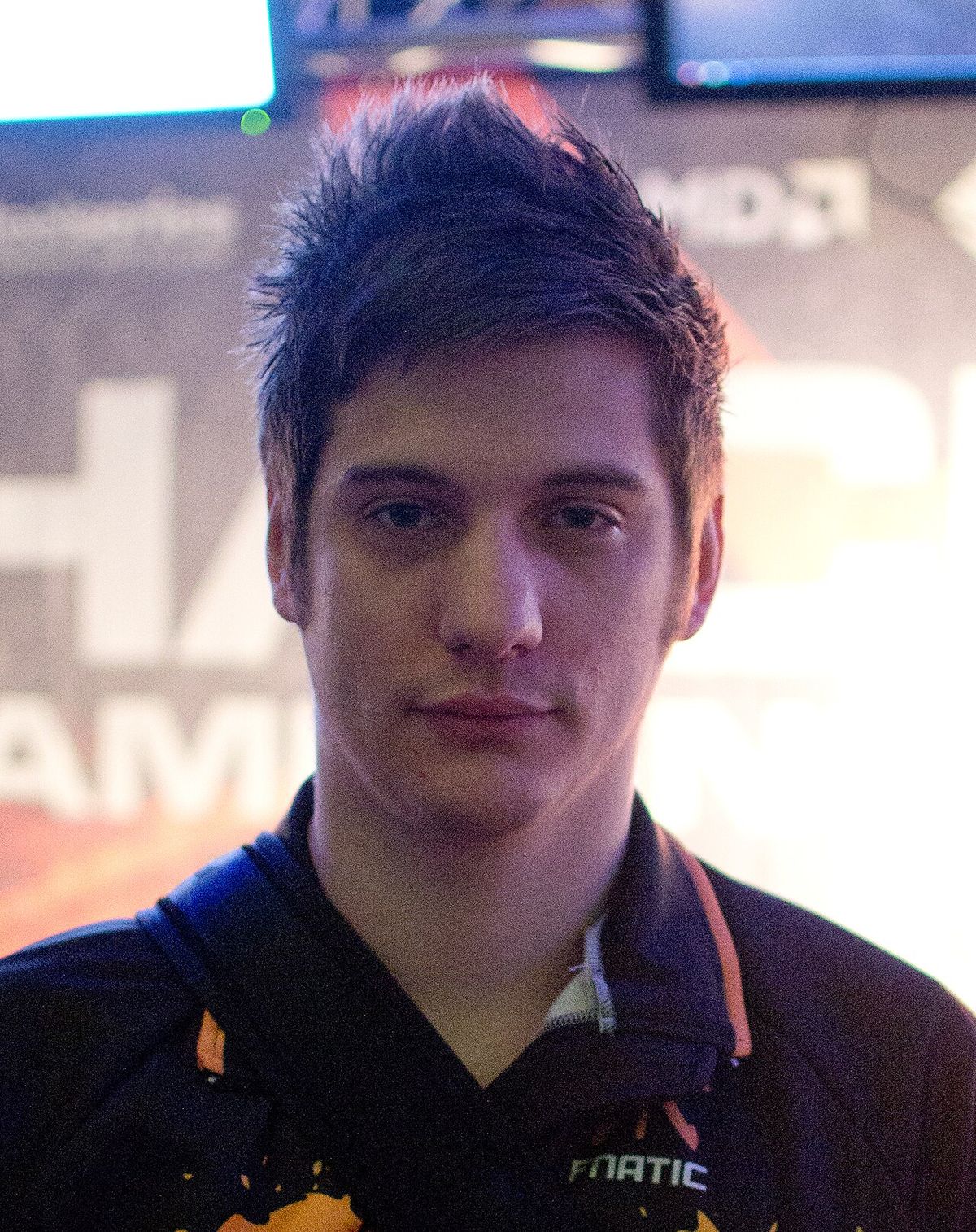
Yoan 'ToD' Merlo is a French former professional esports player best known for his achievements in Warcraft III and StarCraft II. A world-class Human and Protoss player, he won major international tournaments and helped define the early era of professional real-time strategy gaming.
| Full Name | Yoan Merlo |
|---|---|
| Nickname | ToD |
| Nationality | French |
| Games | Warcraft III, StarCraft II |
| Race (Warcraft III) | Human |
| Race (StarCraft II) | Protoss |
| Notable Teams | ArmaTeam, SK Gaming, 4Kings, Mousesports, Millenium, Fnatic, ROOT Gaming |
| Major Titles | World e-Sports Games Master (2006), Blizzard Worldwide Invitational (2007), ESL Extreme Masters (2007), Samsung European Championship (2011) |
| Player of the Year | 2007 |
Early Career and Rise in France
Yoan Merlo, known as ToD, began his competitive gaming journey with titles like StarCraft Brood War and Counter-Strike. Inspired by the player BoxeR, he adopted the Human race when he transitioned to Warcraft III. His high level career started after joining the French team ArmaTeam, which was sponsored by Intel. Representing ArmaTeam, he secured a fourth place finish at the 2003 Electronic Sports World Cup.
Following this result, he briefly joined SK Gaming in August 2003 but returned to ArmaTeam after six months. He preferred competing alongside his friends in Paris over being part of SK's globally dispersed roster. During this period, he began regularly competing in global tournaments organized by groups like the Cyberathlete Professional League, establishing a pattern of international competition that would define his career.
The Korean Expedition and Global Success
In late 2004, seeking to compete in the heart of professional gaming, ToD joined the European Warcraft III squad of the UK based team 4Kings to move to South Korea. The team, which included players like Manuel Schenkhuizen, set up a team house in Seoul. ToD competed in televised leagues like those on Ongamenet and MBCGame, becoming the most successful 4Kings player in these competitions.
His reputation soared during his year in Korea. He earned a bronze medal at the 2004 World Cyber Games and a silver at the 2005 Samsung European Championships. The 4Kings Warcraft III squad itself gained fame as the world's premier team, going undefeated for a full season in the Warcraft 3 Champions League and being named esport team of the year in 2005. After the televised leagues closed, ToD stayed to compete in two seasons of the World e Sports Games.
Peak Years and Major Tournament Wins
Returning to France in late 2005, ToD continued to perform at the highest level, taking fourth at the World Cyber Games 2005. The following year, 2006, was a landmark period. After another second place at the Samsung European Championship, he traveled to China for the World e Sports Games Master tournament. There, he claimed a surprise victory, winning the first place prize of 31,000 dollars, the largest prize ever for a Warcraft III event at that time.
He maintained strong form with second place finishes at major Chinese events like the World e Sports Festival and KODE5. He capped the year by reaching the finals of the World Cyber Games 2006, where he lost to the Chinese legend Sky to take the silver medal. In 2007, his success continued. He won the Blizzard Worldwide Invitational and the ESL Extreme Masters, and was recognized as the player of the year for 2007. During this time, he also made headlines by declining to participate in several tournaments, citing organizational issues and demanding conditions that he felt were not met.
Transition to StarCraft II
ToD began playing StarCraft II during its beta phase but officially switched to the game in late 2010. His playstyle leveraged the strong micromanagement skills he developed in Warcraft III. He joined Millenium in January 2011, quickly establishing himself as one of France's best players with a second place finish at Spirit Lan 8. His early StarCraft II career was marked by frequent team changes, moving between Millenium, Fnatic, and ROOT Gaming as he sought the best training environments.
He found notable success in 2011, winning the Samsung European Championship in Poland and qualifying for the World Cyber Games 2011. He also had strong showings at events like the MLG Anaheim 2011 open bracket, where he scored notable wins over top Korean players. ToD spent the end of 2011 training in South Korea, but his run at the World Cyber Games was short lived, and he was unable to qualify for Korea's premier GSL league. His competitive career in StarCraft II involved consistent travel between Europe, North America, and Asia in pursuit of competition.
Team Movements and Later Competition
ToD's career was characterized by strategic moves to be near the best competition. After his initial success in Korea with 4Kings, he left the team in November 2007, citing dissatisfying team results, and joined Mousesports shortly after. In 2006, recognizing China's growing importance in Warcraft III, he moved to Beijing to train and compete more easily, sharing a residence with Swedish player SaSe.
His StarCraft II years saw even more mobility. He joined and left Millenium twice in 2011, joined Fnatic to practice in Korea, and later joined ROOT Gaming in North America. His time with ROOT ended in December 2012 when he returned to France after failing to secure a US work visa. Despite the team changes, he continued to secure tournament wins and qualifications, such as first place in the IPL 5 European Satellite Qualifiers in 2012.
Shift to Casting and Legacy
After his active playing career wound down, ToD transitioned into broadcasting. He began casting at multiple WCS events before joining ESL full time in 2016 as a commentator for StarCraft II and Heroes of the Storm. He lent his expert analysis and charismatic presence to major events, serving as a commentator for IEM Katowice in both 2020 and 2021.
ToD's legacy is that of a world class competitor who helped shape the early professional scenes for Warcraft III and StarCraft II. His willingness to relocate across the globe to train and compete set a standard for dedication. His peak in the mid 2000s, crowned by being named 2007 Player of the Year, places him among the most successful and recognizable European players of his generation.
FAQ
What races did ToD play in Warcraft III and StarCraft II?
In Warcraft III, ToD played exclusively as the Human race. In StarCraft II, he played as the Protoss race.
What was ToD's biggest tournament win?
His biggest win was at the World e Sports Games Master tournament in Hangzhou, China in 2006, where he won first place and a prize of 31,000 dollars, the largest prize for a Warcraft III event at that time.
Why did ToD leave the 4Kings team in 2007?
He decided not to renew his contract with 4Kings due to the team's dissatisfying competitive results. He later joined Mousesports.
Did ToD have success in StarCraft II?
Yes, he achieved moderate success, winning tournaments like the Samsung European Championship in 2011 and qualifying for the World Cyber Games 2011. He was considered one of the best French players during his active years.
What does ToD do now after retiring from professional play?
ToD works as a full time commentator for ESL, casting StarCraft II and Heroes of the Storm events. He has been a commentator for major tournaments like IEM Katowice.
Source: English Wikipedia (CC BY-SA), rewritten by the Redington Cybersport desk.