Ogre 2
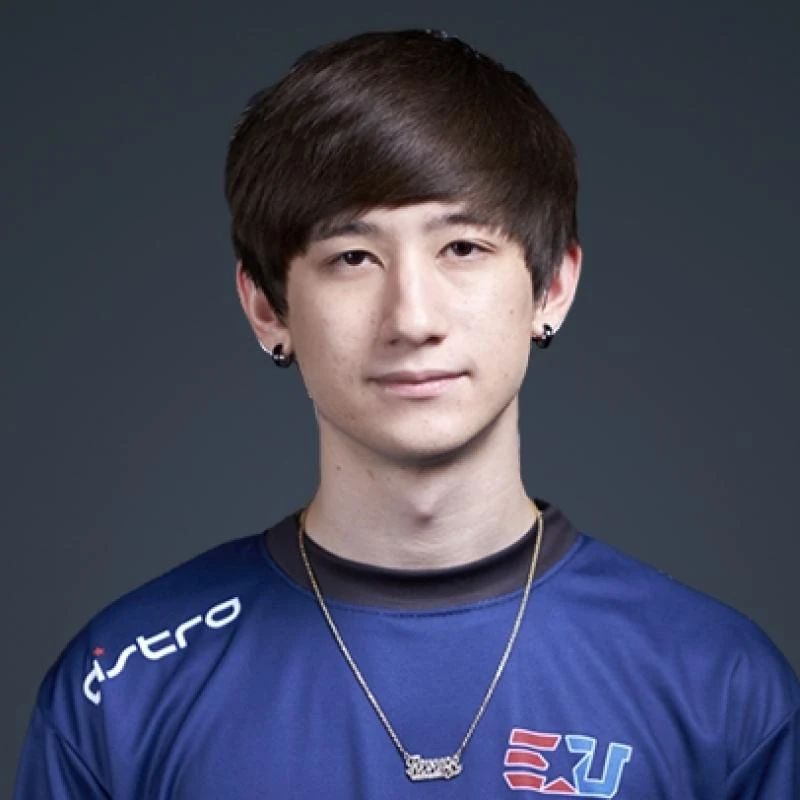
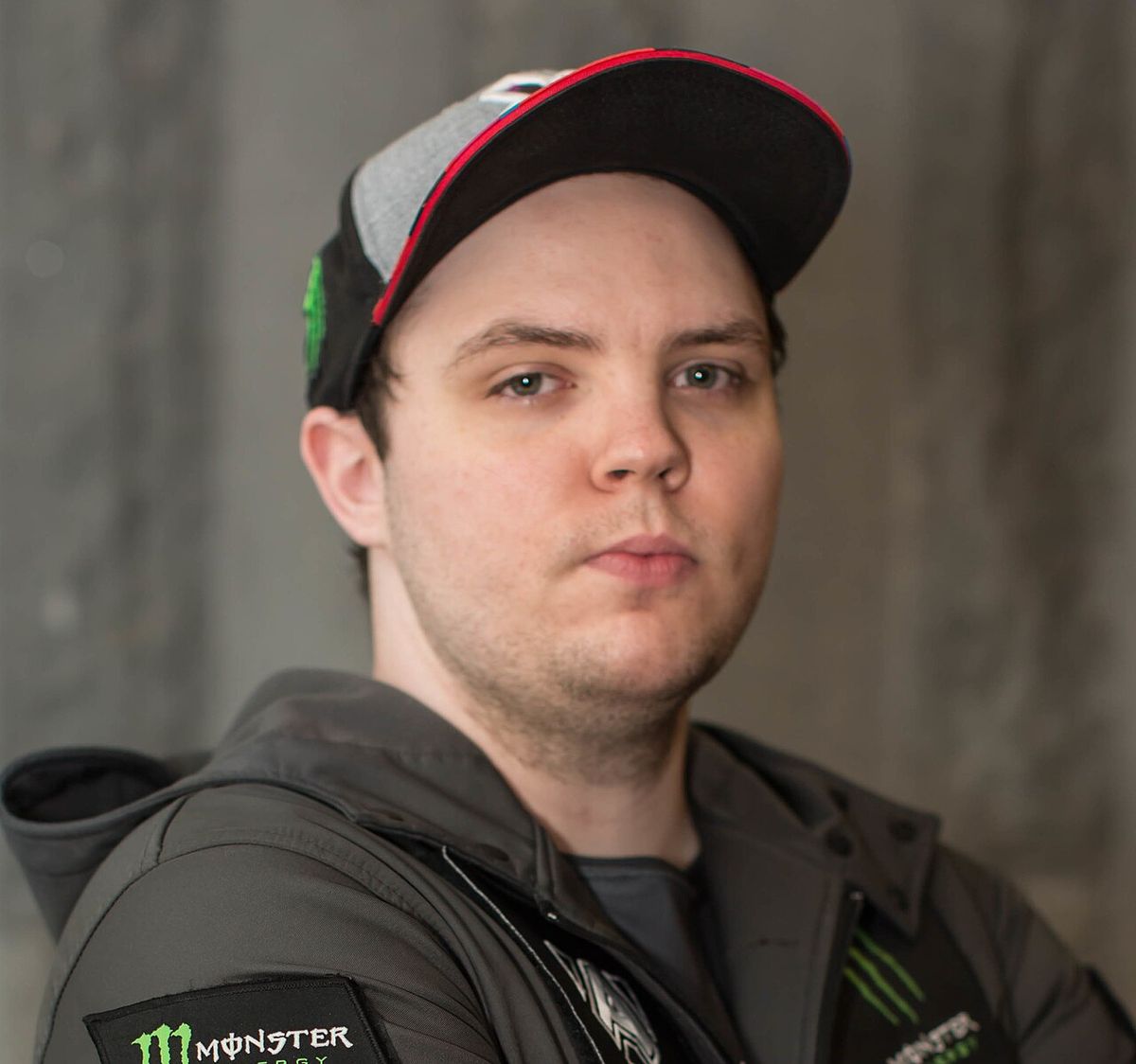
Tom Ryan, known globally as Ogre 2, is an American former professional Halo player widely regarded as the greatest competitor in the history of the franchise. His career, defined by a record-setting six national championships and a dominant partnership with his twin brother, has had a lasting impact on esports.
| Born | August 3, 1986 |
|---|---|
| Nationality | American |
| Game | Halo series, Call of Duty |
| Role | Player, Coach, Manager |
| Teams | Instinct, Shoot to Kill, Team Domination, Final Boss, Team3D, Counter Logic Gaming |
| Titles | 5-time MLG National Champion |
| Current Role | Manager, Miami Heretics |
The Genesis of a Dynasty
Tom Ryan's professional journey began alongside his twin brother, Dan, known as Ogre 1, at small local tournaments playing Halo Combat Evolved. The brothers quickly established themselves as an unstoppable duo in two versus two competition, with the map Chill Out earning the nickname Ogre City due to their mastery. Their success extended to four versus four teams, where they were consistently ranked among the best. This early period laid the foundation for a partnership that would become the most celebrated in Halo history.
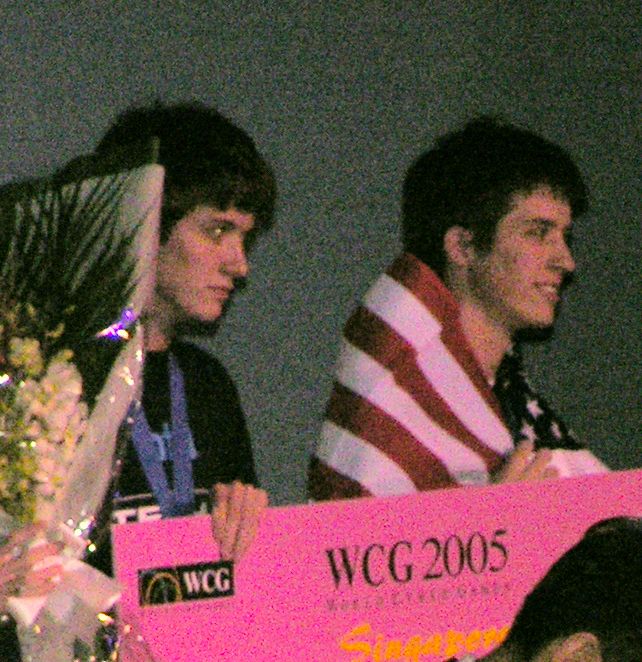
Their skill in the original Halo carried directly into the launch of Halo 2. Teaming with another dominant player, Saiyan, they formed Team Domination, a squad considered nearly unbeatable. This team later evolved into the Final Boss roster. As the key member, Ogre 2 led Final Boss to victory at the first Halo 2 Nationals and to consecutive Major League Gaming National Championships in 2004 and 2005, confirming their status as the team to beat.
Era of Final Boss Dominance
The period from 2004 to 2007 represented the top of Ogre 2's competitive dominance with Final Boss. Alongside his brother and their teammates, they finished in the top two in 38 consecutive tournaments across Halo CE and Halo 2, winning thirty of those events. This run included two separate streaks of ten and nine tournament wins in a row. Their main rivalry emerged with Team Carbon, creating one of the most intense competitions in Halo esports.
After a roster change that brought in Strongside for the final season of Halo 2, Final Boss returned to utter dominance. They won the 2007 Nationals without losing a tournament, securing a $100,000 prize that was among the largest in competitive gaming at the time. This victory underscored Ogre 2's position as one of the highest-earning players and confirmed Final Boss's place in history.
Adapting to a New Generation
The transition to Halo 3 brought new challenges. While Final Boss started strong with a win at MLG Meadowlands in 2008, subsequent roster changes saw the departure of longtime teammates, including his brother who moved to Australia. By 2009, Ogre 2 was the sole original member of Final Boss. After a disappointing season, the team added star player Pistola, leading to a resurgence. With this new lineup, Final Boss won three tournaments in 2010, including the national championship. This victory made Ogre 2 the winningest player in MLG history, surpassing his brother.
The debut of Halo Reach on the circuit in 2011 initially brought a career-low tenth place finish for Ogre 2 and Final Boss. In response, he and Pistola joined forces with the twins Roy and Lunchbox under Team Instinct, forming a superteam dubbed the God Squad due to their collective talent. After a period of overwhelming dominance online and at events, they faced unexpected upsets but rallied to win the national title at MLG Providence. This made Ogre 2 the only player to become national champion in every Halo game released to that point.
Venturing Beyond Halo
With the competitive Halo scene fading in 2013, Ogre 2 made a significant shift to Call of Duty. He first competed in Black Ops II with a team of veterans called Rage. In 2014, he revived the Final Boss name to compete in Call of Duty Ghosts alongside other former Halo professionals. However, in March 2014, he announced his retirement from competitive play, citing a lack of enjoyment. He concluded his playing career having attended over 100 tournaments and winning five of the eight MLG National Championships he contested across four different titles.
The Veteran's Return and Final Chapter
The revival of competitive Halo with Halo 2 Anniversary brought Ogre 2 back to the scene after nearly three years. He reformed Shoot to Kill for the invitational and later, with his teammates, was signed by Counter Logic Gaming, marking the League of Legends organization's entry into Halo. CLG found immediate success, winning the first HCS event. Ogre 2 secured his sixth first-place gaming title and 40th national-level tournament win.
The team maintained a top ranking through the first season, finishing as runners-up to the dominant Evil Geniuses at the PAX nationals. The following season saw roster struggles and inconsistent results, though CLG still managed to finish as one of the top two teams in Halo 2 Anniversary. The transition to Halo 5 Guardians began promisingly for CLG, but after a series of middling placements, Ogre 2 was removed from the team in January 2016, a first in his career. Brief stints with EnVyUs and Denial followed, but after failing to qualify for a major event, Ogre 2 announced his permanent retirement from professional gaming on May 21, 2016.
Life After Competition
Following his playing career, Ogre 2 transitioned into coaching and management roles within esports. He first served as a coach for the Evil Geniuses Halo team after their previous coach moved to Call of Duty. He remained with EG until their Halo roster disbanded. In August 2020, he joined the Florida Mutineers Call of Duty team as general manager. The organization was later rebranded under Misfits Gaming as the Miami Heretics, where Ogre 2 continues in his managerial role, applying his decades of competitive experience to team leadership.
Accolades and Legacy
Ogre 2's collection of awards highlights his sustained excellence and the respect of his peers. He was voted Best Overall Player in the MLG Pros' Choice Awards for three consecutive years from 2005 to 2007. Later awards recognized his evolving role, with wins for Best Strategist in 2010 and Best Leader in 2011. He also earned multiple event MVP awards, including at MLG Charlotte 2007 and MLG Meadowlands 2008.
His legacy is defined not just by individual awards, but by an extraordinary championship pedigree across multiple game generations and a reputation as the ultimate teammate and strategist. The story of Ogre 2 is inextricably linked with the rise of Halo as a premier esport, setting a standard of excellence that future generations strive to match.
FAQ
Why is Ogre 2 considered the greatest Halo player of all time?
Ogre 2 is widely considered the greatest due to his record of success. He won a record six national championships across multiple Halo titles, was part of Final Boss's historic 38-tournament top-two streak, and is the only player to be national champion in every Halo game released during his prime.
What is Ogre 2's relationship to Ogre 1?
Ogre 1 is the gamertag of Dan Ryan, the twin brother of Tom Ryan (Ogre 2). Known collectively as the Ogre Twins, they formed one of the most successful duos in Halo history, winning countless tournaments together in Halo CE and Halo 2.
Which teams did Ogre 2 play for?
Ogre 2 played for many top teams throughout his career, including Instinct, Shoot to Kill, Team Domination, Final Boss, Team3D, and Counter Logic Gaming. His longest and most successful tenure was with the Final Boss roster.
When and why did Ogre 2 retire from playing?
Ogre 2 first retired from competitive gaming in March 2014, citing a lack of enjoyment. He returned later for Halo's competitive revival but announced his permanent retirement from professional play on May 21, 2016, after struggling to find a team and qualify for major events in Halo 5.
What does Ogre 2 do now in esports?
After his playing career, Ogre 2 became a coach for Evil Geniuses's Halo team. He later moved into management, serving as general manager for the Florida Mutineers Call of Duty team, which was rebranded as the Miami Heretics, where he continues to work.
Source: English Wikipedia (CC BY-SA), rewritten by the Redington Cybersport desk.