TikTok Shop Tightens Gambling Policies Amid Legal Scrutiny of Card Breaks
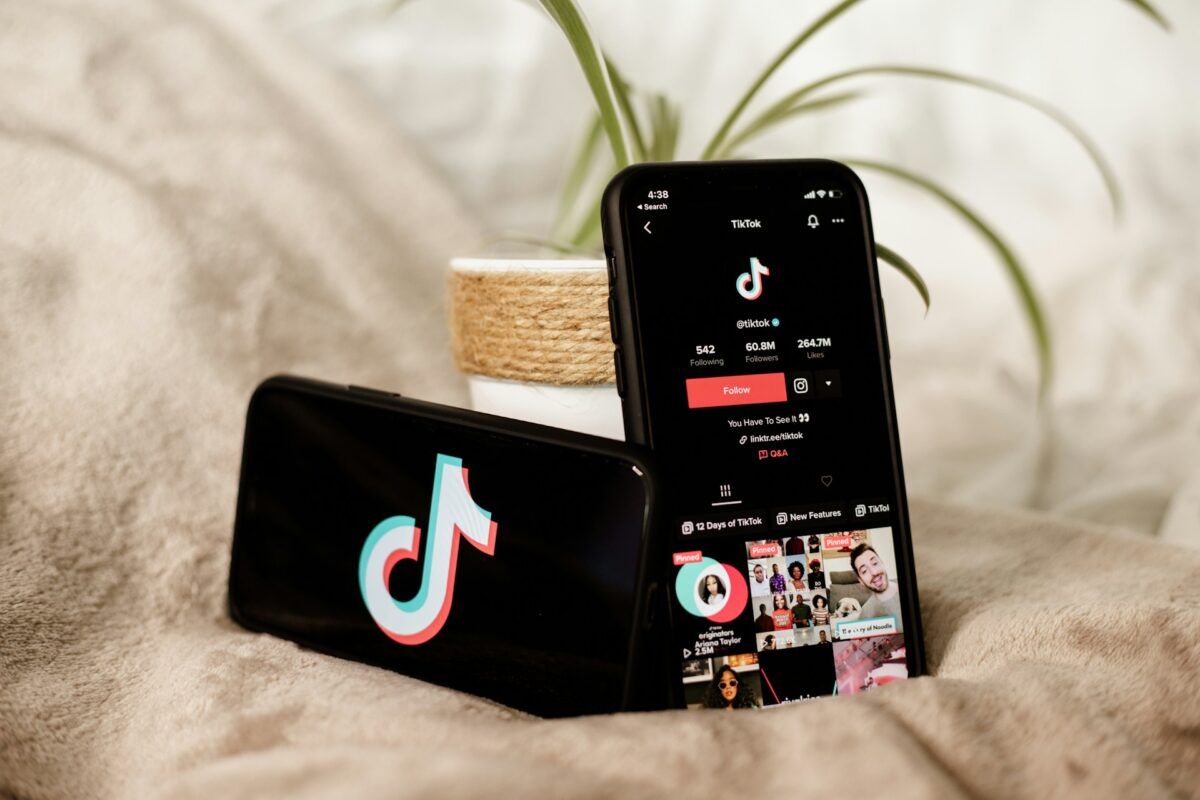
TikTok has revised its gambling policies three times since May, restricting trading card breaks while expanding its controlled randomization feature Surprise Sets across multiple product categories.


TikTok Shop has implemented significant changes to its gambling policies since late May, repeatedly revising rules around trading card breaks while simultaneously growing its proprietary randomized sales product called Surprise Sets. These policy shifts come as the platform faces increasing legal scrutiny over whether certain card break formats constitute illegal gambling operations under US law.
Evolving Restrictions on Break Formats
The platform's US Gambling Policy has undergone three major revisions between May and August, each introducing stricter controls on trading card breaks. The May 27 version initially banned three specific break formats: random card breaks, draft-style breaks, and bounty breaks. By June 25, this list expanded to eight prohibited formats described as non-exhaustive examples, including random team, pull games, points programs, and HP battles.
The most significant change came on August 31 when TikTok permitted random team breaks exclusively through its Surprise Sets feature. Under these new rules, team assignments must be generated by TikTok's official randomization tool, with no external methods allowed. This effectively gives TikTok complete control over the randomization process for these transactions.
Surprise Sets Expansion and Loosened Value Rules
Surprise Sets, TikTok's controlled randomization feature launched in October 2025, has rapidly expanded from its original trading cards focus to include electronics, beauty products, and toys. The platform initially implemented strict value distribution rules in July, requiring that the highest MSRP in a set couldn't exceed 10 times the lowest MSRP and that high-value items must comprise at least 10% of the set.
However, the September 1 update removed these specific numeric limits, replacing them with broader requirements that price variations must be reasonable and high-value items cannot be disproportionately rare. TikTok enforces these through undisclosed listing approval conditions that sellers must meet when uploading their surprise sets.
Legal Challenges Mount Across Platforms
The policy changes occur against a backdrop of multiple legal actions challenging the card break industry. Three breakers have sued TikTok and Fanatics in California federal court with antitrust and unfair competition claims. These lawsuits allege that Fanatics was falsely presented as the exclusive source of NFL memorabilia and that TikTok suppressed breakers who wouldn't deal exclusively in Fanatics products.
Meanwhile, other platforms face allegations that card breaks constitute illegal gambling. Attorney Paul Lesko has filed 15 arbitration demands against Whatnot on behalf of 30 clients, claiming the platform operates an unregulated online casino in violation of California lottery laws. A separate False Claims Act lawsuit targets both Whatnot and Fanatics Live for allegedly running unlicensed box-break lotteries without proper taxation or licensing.
Tightening Platform Controls
TikTok has implemented stricter requirements for Surprise Set sellers, mandating full disclosure of all possible items in a set and their quantities during livestreams. The platform banned certain high-value items like iPhones and iPads from Surprise Sets in June following reports of buyers paying hundreds of dollars only to receive low-value items like stuffed animals.
Enforcement measures have also been strengthened, with violating sellers facing penalties ranging from livestream restrictions to account suspension. TikTok states it actively reviews reports of misleading or non-compliant seller conduct, though the specific criteria for these reviews remain undisclosed.
Policy Inconsistencies and Platform Responses
While the Gambling Policy directs random team breaks exclusively to Surprise Sets, the current Collectibles Policy still contains older wording permitting manufacturer-sealed surprise sets. TikTok explains that both conditions actually apply - sets must be manufacturer-sealed and use TikTok's randomization tool. The company acknowledges these policy documents may contain inconsistencies as it regularly updates wording to improve clarity for sellers.
TikTok maintains that all gambling and games of chance are banned on its platform, including raffles, spins, and sweepstakes. However, the platform hasn't directly addressed whether Surprise Sets fall under its own Collectibles Policy definition of prohibited randomized distribution where customers don't select specific products.
Broader Industry Implications
The regulatory focus extends well beyond TikTok, with multiple platforms facing legal questions about whether card breaks constitute gambling. These cases could have far-reaching consequences for the live break market across social commerce platforms. While no final rulings have been issued in any of the pending cases, their outcomes may force significant changes in how platforms host and monetize these increasingly popular live shopping formats.
As platforms like TikTok attempt to balance business opportunities with regulatory compliance, the evolving legal landscape continues to shape policies around randomized sales formats. The removal of specific value caps in Surprise Sets suggests TikTok is moving toward more flexible but less transparent standards, even as it tightens control over the randomization process itself.