CS2 Absent as Asian Games 2026 Expands Esports Lineup with Fighting and Racing Titles
The 2026 Asian Games will feature 13 esports titles across 11 events, excluding Counter-Strike while highlighting Japanese-developed games like Street Fighter 6 and Tekken 8.


The 2026 Asian Games in Nagoya will showcase esports as an official medal event for the second consecutive edition, featuring 13 competitive titles across 11 events when competition begins September 19 in Japan's Aichi Prefecture. Notably absent from the lineup is Valve's Counter-Strike 2, with organizers instead prioritizing Japanese-developed fighting games and racing titles including Street Fighter 6, Tekken 8, and Gran Turismo 7 among the expanded program.
Diverse Roster of Games and Players
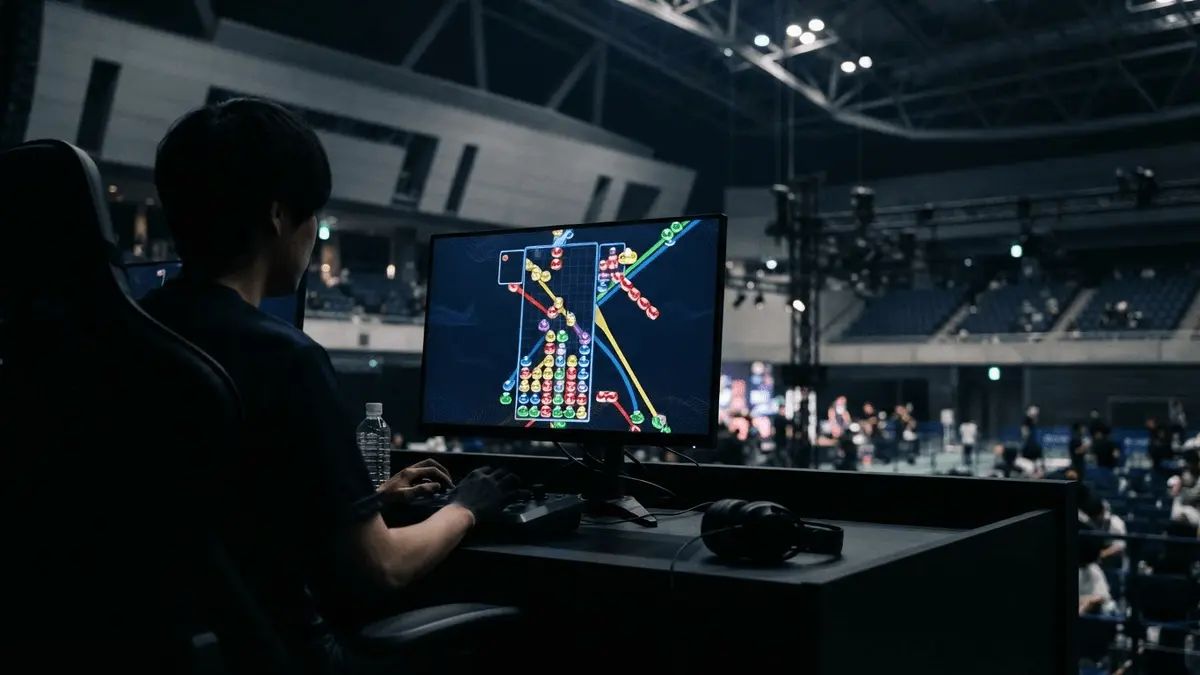
Japan's 25-player delegation spans an unprecedented age range in competitive gaming, from 11-year-old Puyo Puyo Champions representative Kurihara Yūki to 43-year-old The King of Fighters XV veteran Sawada Akihito, who competes under the alias Score. The tournament roster represents a near-complete turnover from the 2023 Hangzhou Asian Games, with only two titles carrying over from the previous edition's seven-game lineup.
Varied Qualification Pathways
Selection methods differed significantly across titles, with Street Fighter 6 employing a clear-cut system of designated qualifiers leading to a national championship. Other games like Pokémon Unite and Identity V used broader performance metrics and match-play evaluations to determine their representatives. This inconsistency in qualification standards highlights ongoing challenges in standardizing esports within traditional sports frameworks.
Growing Commercial Clout
The continued inclusion of esports comes amid demonstrable growth in the sector's commercial impact. Recent milestones include the 2024 League of Legends World Championship final attracting over 50 million concurrent viewers globally and the 2026 Apex Legends championship in Sapporo selling 38,000 tickets. The Esports World Cup's relocation from Saudi Arabia to Paris in 2026 is projected to generate up to €600 million in economic activity.
Structural Tensions Remain
Publisher control over intellectual property and competition rules continues to create friction between commercial esports operations and the governance expectations of international multisport events. The diversity of genres represented, from puzzle games to fighting titles, also raises questions about whether esports should be treated as a unified discipline, with differences between some games comparable to traditional sports like soccer and judo.
Uncertain Long-Term Future
While Japan's establishment of an Esports Lab in July 2026 signals ongoing institutional support, the International Olympic Committee's termination of its Saudi partnership for Olympic Esports Games in October 2025 casts doubt on the model's sustainability. The rapid turnover of titles between Asian Games editions makes maintaining consistent competitive records difficult, and some stakeholders question whether esports needs traditional sports validation given its independent success.
What This Means for Competitive Gaming
The 2026 Asian Games lineup demonstrates both the growing acceptance of esports in mainstream sporting events and the ongoing challenges of integration. While the absence of CS2 reflects regional preferences for Japanese-developed titles, the inclusion of household names like Street Fighter and Tekken may help bridge generational gaps in viewership. However, fundamental tensions around publisher control, genre diversity, and governance models suggest esports may need to forge its own competitive ecosystem rather than conforming to traditional sports frameworks. The Nagoya Games will serve as an important case study in whether this uneasy coexistence can evolve into sustainable synergy.