PAX (event)
PAX, originally the Penny Arcade Expo, is a major series of gaming culture festivals held annually across several global cities. Created by the Penny Arcade webcomic authors, it has grown from a small gathering into a central event celebrating all facets of gaming, from video games and esports to tabletop and arcade.

| First held | August 28–29, 2004 |
|---|---|
| Founders | Jerry Holkins and Mike Krahulik |
| Current locations | Seattle (PAX West), Boston (PAX East), Philadelphia (PAX Unplugged), Melbourne (PAX Australia) |
| Former locations | San Antonio (PAX South) |
| Specialty events | PAX Dev (2011–2020), PAX Unplugged (tabletop) |
| Key activities | Exhibition hall, tournaments, panels, concerts, Omegathon, freeplay areas, LAN parties |
| Notable feature | PAX Arena (esports tournaments) |
| Organizer partnership | ReedPOP (since 2009) |
Origins and Explosive Growth
The first Penny Arcade Expo was born from a simple desire. In 2004, webcomic creators Jerry Holkins and Mike Krahulik wanted a convention dedicated purely to gaming. Their inaugural event at the Meydenbauer Center in Bellevue, Washington, attracted about 3,300 people. Renamed simply PAX, it quickly became an annual tradition.
Attendance skyrocketed in the following years, surpassing 9,000 in 2005 and 19,000 in 2006. The event rapidly outgrew its original venue, moving to the Washington State Convention and Trade Center in Seattle. Attendance there drew some 39,000 in 2007, 58,500 in 2008, 60,750 in 2009, and 70,000 in 2011. The convention stopped publicly reporting attendance figures after 2011, citing the difficulty of tracking attendance in a multi-day event.
The growth was not just in size but also in duration. PAX Prime 2013 was the first four-day PAX event, held from August 30 to September 2, and its passes sold out in just six hours. This demonstrated the massive demand and confirmed PAX's status as a major event in the gaming calendar.
Expanding the Empire to East and West
PAX's success in Seattle led to expansion into new cities. In 2010, the first PAX East was held at the Hynes Convention Center in Boston on March 26-28, drawing 52,290 attendees. That same year, the Seattle event was renamed PAX Prime, drawing 67,600 attendees. PAX East moved to the larger Boston Convention and Exhibition Center in 2011, and a 2012 agreement kept Boston as the home of PAX East until 2023.
The Seattle event underwent its own name change, becoming PAX West in 2015. This naming convention helped clarify the geographic locations of the two flagship US events.
International and Specialized Events
The franchise went international in 2013 with the launch of PAX Australia, first held at the Melbourne Showgrounds from July 19-21. The following year, it moved to the Melbourne Convention and Exhibition Centre, where it remains. PAX South launched in San Antonio, Texas, at the Henry B. Gonzalez Convention Center on January 23-25, 2015. It set a PAX record for highest attendance for an inaugural year, but saw little growth in later years and was cancelled in October 2021.
The portfolio also includes specialty events. PAX Dev, an annual event meant to allow the game developer community to speak freely and focus on their trade, ran from 2011 until 2020. Unlike other developer events, PAX Dev did not allow press. Its first iteration in 2011 attracted 750 people.
At PAX South 2017, Penny Arcade and ReedPop announced PAX Unplugged, a new event type focused entirely on tabletop games. It was first held at the Pennsylvania Convention Center in Philadelphia on November 17-19, 2017. During PAX West 2026, a return to Texas was announced with a second iteration of PAX Unplugged to be held in Houston at the George R. Brown Convention Center on June 25-27, 2027.
A Comprehensive Festival of Play
At its core, PAX is a hands-on celebration of all forms of gaming. The massive exhibition hall includes game studios, merchandise vendors, and the Indie Megabooth. Extensive freeplay areas are broken into dedicated sections for Console, Classic Console, Handheld, PC, VR, and Tabletop gaming, allowing attendees to relax and play at their own pace.
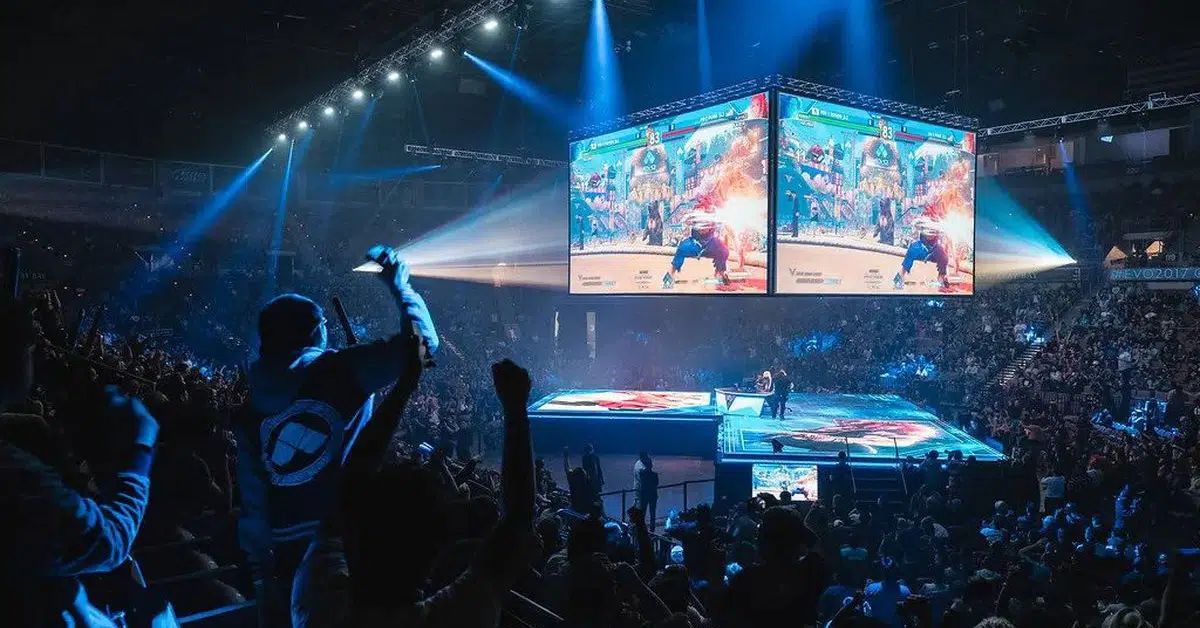
For structured competition, PAX hosts a full catalogue of tournaments across console and tabletop games, with some events also hosted by vendors. These tournaments cover many genres, including first-person shooters, fighting games, sports, and racing, and are designed to be accessible to players of all skill levels in a friendly environment. Tournament schedules for specific games are typically released about a month before each event. The Bring Your Own Computer area provides a classic LAN party experience for PC gamers.
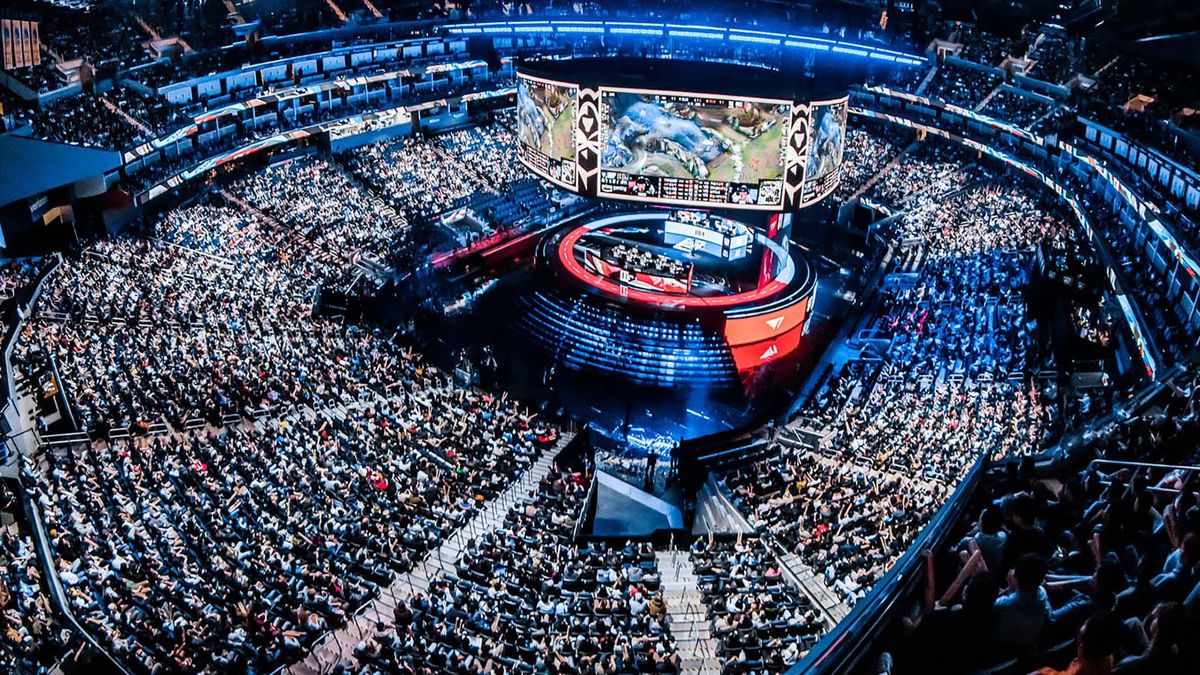
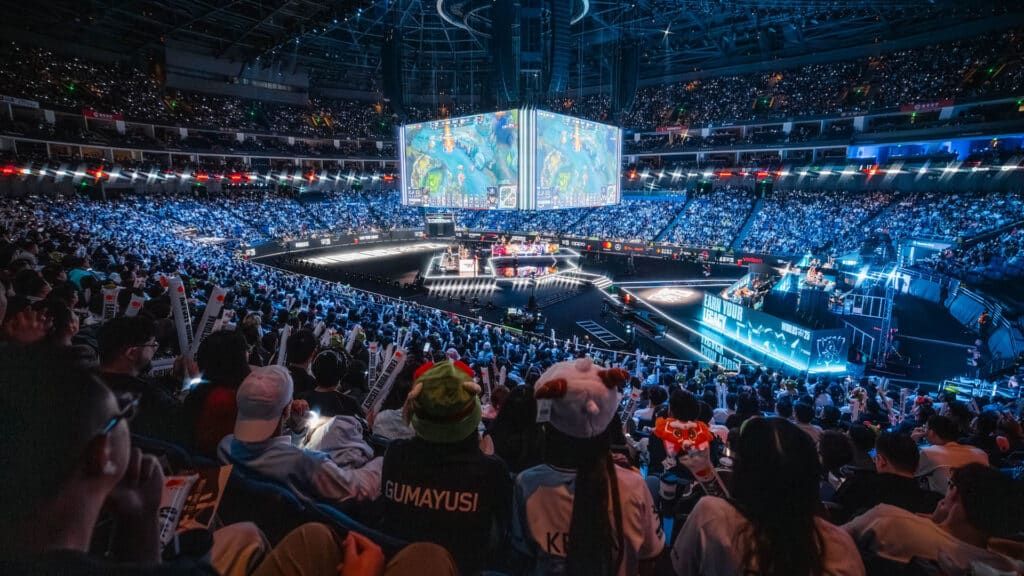
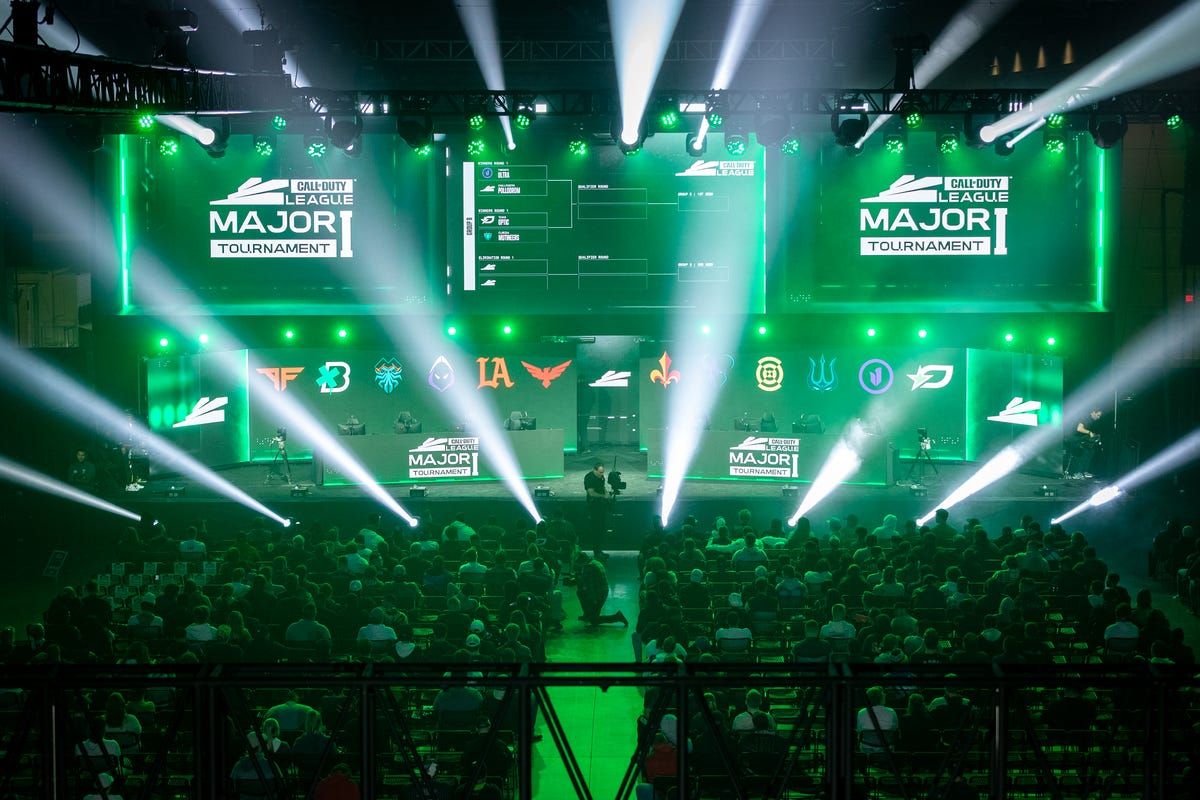
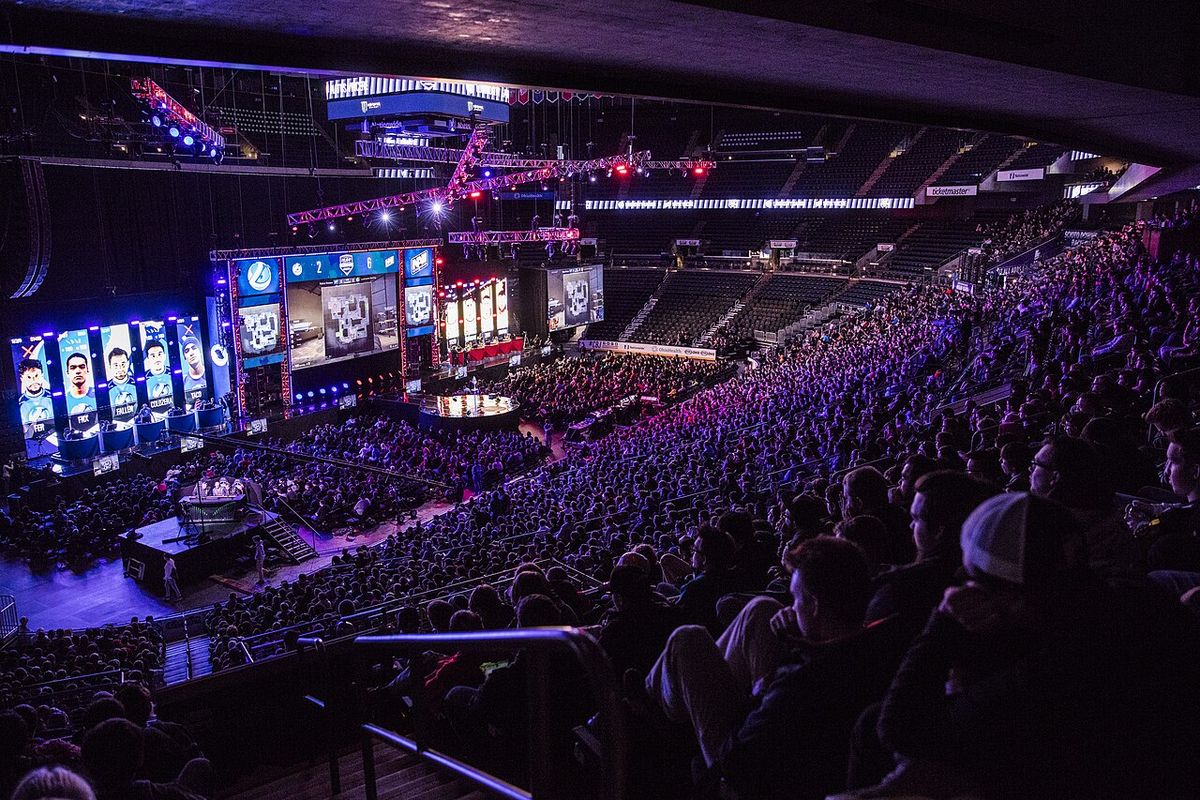
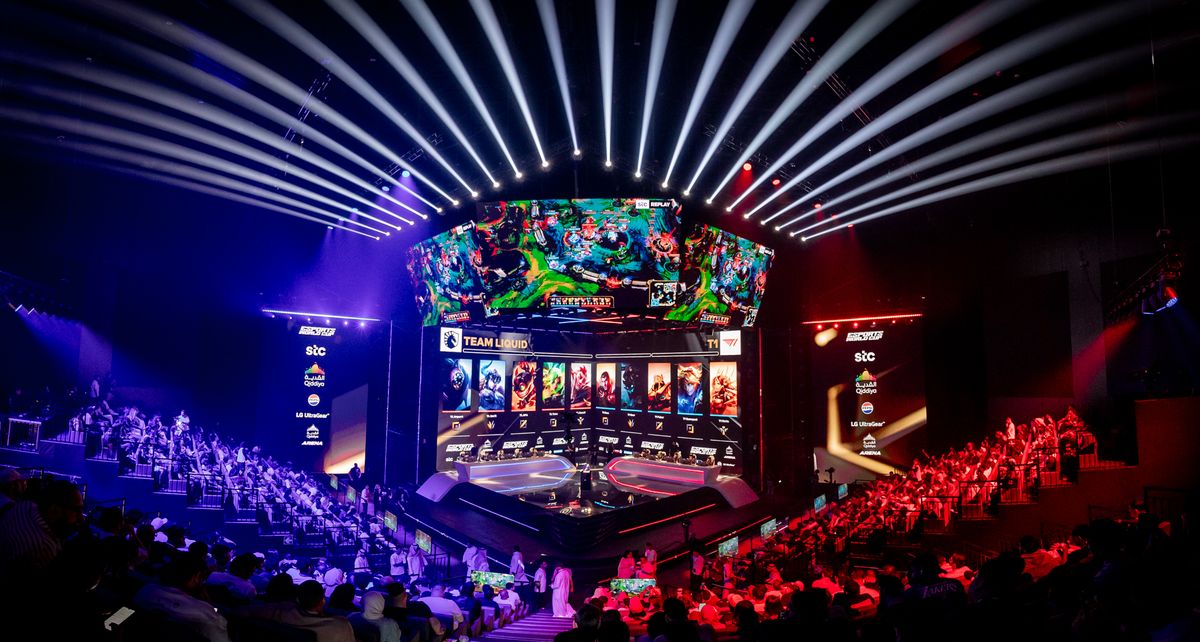
Beyond open tournaments, PAX Arena is dedicated to amateur esports, providing a more organized competitive stage for spectators and players looking for a professional level of competition.
Content, Community, and Concerts
The event schedule is packed with content beyond playing games. Panels, talks, and signings feature industry insiders, developers, and personalities discussing a wide range of game topics. These speeches and discussions offer insights into game creation and culture.
Evening concerts feature game-culture inspired music, adding a celebratory and communal atmosphere to the festivals. This blend of education, entertainment, and interaction helps foster the strong community feel that PAX is known for, often emphasized by a culture of mutual respect among attendees.
The Signature Omegathon Tradition
A beloved PAX tradition is the Omegathon. This festival-long tournament features a group of randomly selected attendees, known as Omeganauts, competing in a bracket of various games. The identity of the final game is kept secret until the last round.
The final round of the Omegathon is a major part of the PAX closing ceremonies, drawing a large audience. Past final games have included classic titles like Tetris and Pong, modern hits like Halo 3, and even physical games like skee-ball. The grand prize for the winner has varied significantly over the years, from large bundles of games to a trip to Japan or a trip to any PAX event in the world.
Legacy and Place in Gaming Culture
PAX distinguished itself early on by being created by gamers, for gamers, filling a void for a show exclusively about gaming. This ethos fostered a strong and respectful community atmosphere. The event's explosive growth from 3,300 to tens of thousands of attendees mirrored the rising mainstream acceptance of gaming culture throughout the 2000s and 2010s.
By creating inclusive spaces for competition, discovery, and discussion, PAX helped bridge the gap between hardcore enthusiasts and casual players. Its expansion to multiple cities and specialized formats like PAX Unplugged demonstrates its adaptability and enduring role as a central gathering point for the global gaming community. It stands alongside other major gaming events like E3, DreamHack, and ChinaJoy as a defining experience for fans of the medium.
FAQ
What does PAX stand for?
PAX originally stood for Penny Arcade Expo, named after the webcomic created by its founders. The acronym PAX quickly became the common name for the event series.
Where and when is PAX held?
PAX events are held annually in Seattle (PAX West), Boston (PAX East), Melbourne (PAX Australia), and Philadelphia (PAX Unplugged). A second PAX Unplugged event is scheduled for Houston in 2027. Past events were also held in San Antonio.
What kinds of tournaments are at PAX?
PAX hosts a wide range of tournaments across many genres, including FPS, fighting, sports, and racing games. These are designed for participants of all skill levels. PAX Arena provides a stage for more organized amateur esports competition.
What is the Omegathon?
The Omegathon is a signature PAX tournament where randomly selected attendees compete in a bracket of various games throughout the event. The final round is part of the closing ceremonies, with past games including Pong, Tetris, and Halo 3.
Is PAX only about video games?
No, PAX celebrates all forms of gaming. While video games are a major component, the events also feature extensive tabletop gaming areas, arcade cabinets, and a dedicated tabletop-focused event called PAX Unplugged.
Source: English Wikipedia (CC BY-SA), rewritten by the Redington Cybersport desk.