Ongamenet Starleague
The Ongamenet Starleague (OSL) was a premier professional StarCraft individual league in South Korea, broadcast on cable television. It was a foundational force in the rise of esports, transitioning from StarCraft: Brood War to StarCraft II before concluding in 2012.
| Founded | 1999 |
|---|---|
| First held | 1999 |
| Final season | 2012 |
| Game | StarCraft: Brood War, StarCraft II: Wings of Liberty |
| Broadcaster | OnGameNet (OGN) |
| Prize pool (total) | $2,283,702.52 (44 tournaments) |
| Special award | Golden Mouse (for 3 OSL wins) |
| Status | Defunct |
Origins and Early Growth
The Ongamenet Starleague began as a program on Tooniverse in 1999, capitalizing on the great popularity of StarCraft in South Korea and the success of broadcast gaming on other Korean channels. The league started modestly with a small prize pool and a dedicated cult following. In 2000, it was spun off into its own dedicated gaming channel, OnGameNet, which became the broadcast home for the OSL. This move institutionalized professional gaming broadcasting in the country.
The league's popularity surged in 2001 with the rise of player Lim Yo Hwan, known as Boxer. His dominant performance in the HanbitSoft Starleague, where he used the Terran race and dropship tactics to secure a 3-0 victory against Jang Jin Nam, captured major public attention. Boxer continued his success by winning the subsequent Coca-Cola Starleague against Hong Jin-ho, known as Yellow, and placing second to Kim Dong Soo, known as Garimto, in the 2001 Sky Starleague. By this time, the first prize had grown to 20 million Korean Won, approximately 20,000 US dollars.
Professional gamers became organized into teams supported by major Korean firms like SK Telecom and KT Rolster. Prizes, contracts, and endorsements grew significantly, and the league began to attract foreign competitors such as Bertrand Grospellier, known as Elky, from France and Guillaume Patry, known as Grrrr..., from Canada. The league evolved into a major sport in Korea, with more viewers than most other professional sports within its first seven years.
The Golden Age and Cultural Impact
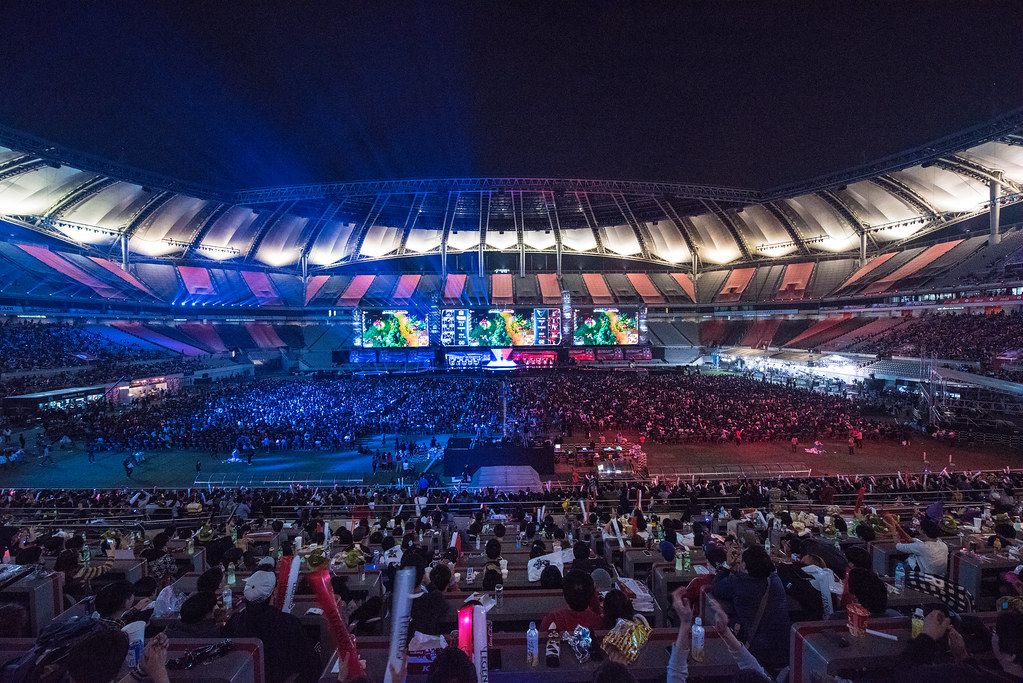
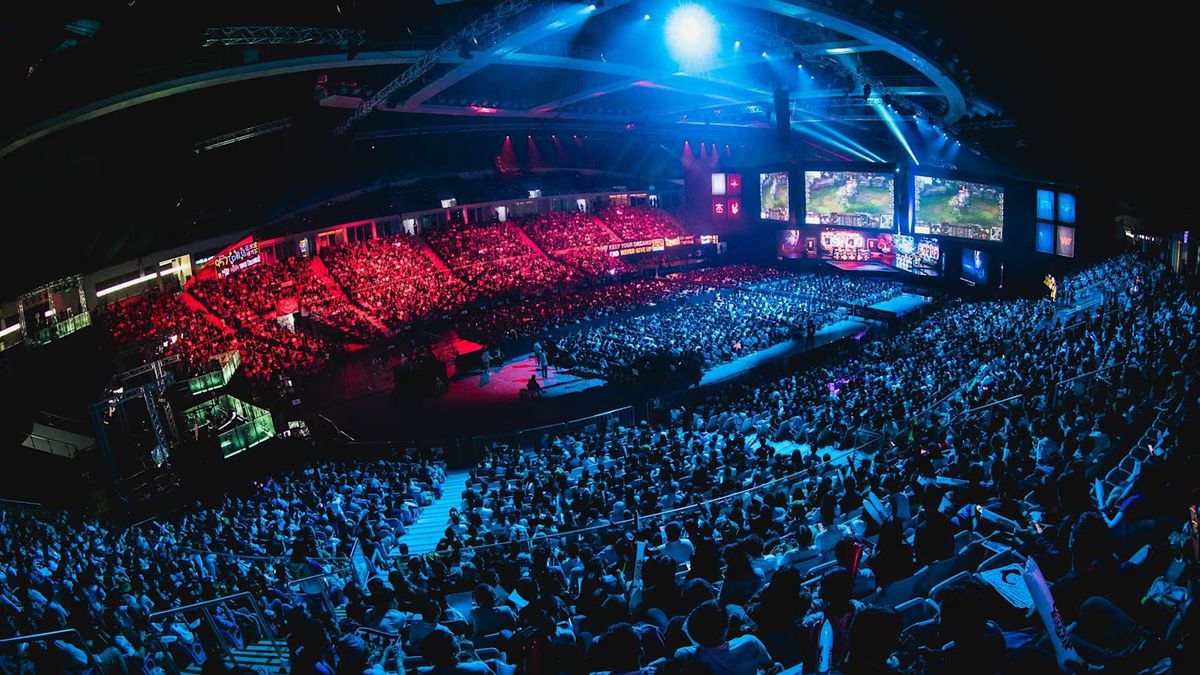
By the mid-2000s, the Ongamenet Starleague had become a cultural phenomenon in South Korea. Finals regularly attracted over 50,000 live spectators, with millions more watching on television nationwide. A related Proleague final between SK Telecom T1 and KT Rolster drew 120,000 fans. The league's viewership surpassed that of many traditional professional sports broadcasts. Top players like Boxer amassed over 500,000 registered fans.
The league developed its own distinct visual identity, exemplified by the polished presentation and distinctive red, black, and white emblem of the 2003 MyCube Starleague. This event featured a much more polished opening computer-generated cinematic. Prize money had more than doubled since the 2001 Coca-Cola championships, and the OnGameNet studio was refurbished to accommodate growing audiences. In response to the booming team scene and the rise of pro gaming teams, OnGameNet launched the Proleague in 2003 as a team-based spin-off, which featured seasons at least twice as long as a standard Starleague.
The Golden Mouse and Multiple Champions
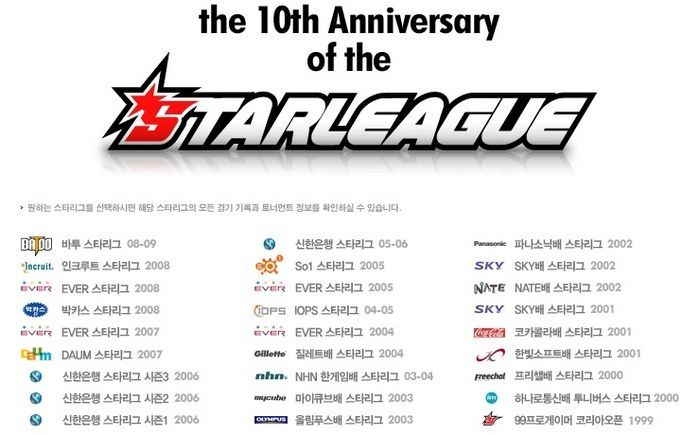
The OSL established a prestigious system of awards for multiple championship wins. A player who won three Ongamenet Starleagues received the special Golden Mouse trophy. Only four players achieved this. Lee Yun Yeol, known as NaDa, was the first, winning the 2002 Panasonic Starleague, the 2004 IOPS Starleague, and the 2006 Shinhan Bank Starleague.
Park Sung-Joon, known as JulyZerg, earned his Golden Mouse with victories in the 2004 Gillette Starleague, the 2005 EVER Starleague, and the 2008 EVER Starleague. Lee Jae Dong, known as Jaedong, won three OSL titles in rapid succession, taking the 2007 EVER Starleague, the 2009 Batoo Starleague, and the 2009 Bacchus Starleague. Lee Young-Ho, known as Flash, completed the group, winning championships in the 2008 Bacchus Starleague, the 2009 EVER Starleague, and the 2010 Korean Air 2 Starleague.
Higher tiers of achievement were established with the Platinum Mouse for five wins and the Diamond Mouse for seven wins. No player ever claimed these awards. The pursuit of these mice became a central narrative in the careers of the league's top players, adding a layer of long-term prestige to the individual tournament victories.
Tournament Structure and Key Events
The Ongamenet Starleague operated as a semi-annual individual league. It followed a bracket format, with detailed brackets documented for numerous events including the 2009 Bacchus OSL, the 2009 Ever OSL, the 2010 Korean Air OSL, its second season, the 2010 Bacchus OSL, the 2011 Jin Air OSL, and the 2012 tving OSL. The league was distinct from the team-based Proleague, focusing solely on individual player performance and championship titles.
The finals of the Brood War era became major events. The 2012 tving OSL final was notable as the first and only repeat finals in the league's history, featuring Heo Yeong Moo, known as JangBi, and Jung Myung Hoon, known as Fantasy. This structure created intense rivalries and concentrated fame on the individual champions who lifted the trophy. Each tournament was named after its sponsor, charting the commercial growth of the league from HanbitSoft and Coca-Cola to major brands like Bacchus, Korean Air, and Shinhan Bank.
Transition to StarCraft II and Conclusion
After over a decade of defining professional StarCraft: Brood War, the OSL announced a significant change on June 5, 2012. It was officially declared that the 34th Starleague, the TVing Starleague, would be the final Brood War event. The league would transition completely to StarCraft II: Wings of Liberty for its next season, leaving Brood War behind.
This switch occurred relatively late in StarCraft II's lifecycle. Due to OnGameNet's late adoption of the new game, only one OSL was run during the lifespan of StarCraft II: Wings of Liberty. The league then folded after the 2012 season, marking the end of a foundational era in Korean esports. Its total recorded prize money across 44 tournaments exceeded 2.2 million US dollars. The OSL's end coincided with a broader shift in the Korean esports scene towards new games and platforms.
Legacy and Place in Esports History
The Ongamenet Starleague stands as one of the oldest and most influential professional gaming leagues. It was a primary driver in establishing esports as a legitimate form of mass entertainment in South Korea, creating well known celebrities and proving the viability of large-scale televised competitions. The league demonstrated that video game tournaments could attract stadium-sized crowds and television audiences in the millions.
Alongside its rival, the MBCgame Starleague, the OSL set the standard for production quality, player stardom, and competitive prestige in real-time strategy esports. Its model of individual league competition, complete with well known awards like the Golden Mouse, remains a benchmark. The OSL's history is integral to the story of StarCraft and the global growth of competitive gaming, serving as a direct blueprint for how professional leagues could be organized and broadcast. It showed how a dedicated television channel could build a sporting institution around a single game.
FAQ
What was the Ongamenet Starleague?
The Ongamenet Starleague (OSL) was a professional South Korean individual league for StarCraft, first for Brood War and later for StarCraft II. It was broadcast on the OnGameNet cable channel and was a major force in the early growth of esports, dating back to 1999.
When did the OSL start and end?
The league began in 1999 and ran until it folded after the 2012 season. It transitioned from StarCraft: Brood War to StarCraft II: Wings of Liberty for its final season, with the last Brood War event being the 2012 TVing Starleague.
What is the Golden Mouse award?
The Golden Mouse was a special trophy awarded to any player who won three Ongamenet Starleague championships. Only four players ever achieved this: NaDa, JulyZerg, Jaedong, and Flash. Awards for five and seven wins, the Platinum and Diamond Mouse, were also created but never won.
Who were some famous OSL champions?
Notable champions include Lim Yo Hwan (Boxer), who popularized the league in 2001, and the four Golden Mouse winners: Lee Yun Yeol (NaDa), Park Sung-Joon (JulyZerg), Lee Jae Dong (Jaedong), and Lee Young-Ho (Flash). Foreign players like Elky and Grrrr... also competed.
Why did the OSL end?
The league concluded after the 2012 season. It had just transitioned from StarCraft: Brood War to StarCraft II: Wings of Liberty, but folded after running only one tournament on the new game. The late switch to StarCraft II and the changing esports scene contributed to its end.
Source: English Wikipedia (CC BY-SA), rewritten by the Redington Cybersport desk.