League Championship Series
The League Championship Series (LCS) is the premier professional League of Legends competition for the United States, Canada, and Northern Latin America. Operated by Riot Games, it has served as the primary pathway for North American teams to qualify for the game's most prestigious international tournaments since its founding in 2013.
| Founded | 2013 |
|---|---|
| First held | Season 3 (2013) |
| Developer | Riot Games |
| Game | League of Legends |
| Divisions | Spring Split, Summer Split |
| Teams | 8 (as of 2024) |
| Prize pool | Not specified in notes |
| Venue | Riot Games Arena, Los Angeles, California |
| Broadcast | Twitch, YouTube |
Origins and Early Structure
Riot Games announced the formation of the League of Legends Championship Series on August 6, 2012, following the success of its first championship tournament at DreamHack in 2011. The inaugural season commenced on February 7, 2013, and was designated as Season 3 of professional play. It launched as two separate regional leagues, the European LCS and the North American LCS. The NA LCS started with eight teams competing in their region, with the top performers advancing to the annual World Championship. The league was not profitable during its first season.
This early era operated on a promotion and relegation system, linked to a secondary Challenger Series league established at the end of 2013 for developing new talent. The league expanded to ten teams per region for the 2015 season via an expansion tournament. That same year saw the introduction of Championship Points, a system where teams earned points across both seasonal splits to qualify for Worlds. The 2015 season also welcomed the league's first female player, Maria Remilia Creveling. New sponsorship rules that year forced several team rebrands, including Alliance becoming Elements and Evil Geniuses becoming Winterfox, and led to the merger of Curse Inc. into Team Liquid.
Discipline and the Path to Franchising
The league's early years were also marked by significant disciplinary actions. On May 8, 2016, Riot Games took punitive actions against NA LCS teams Team Impulse and Renegades, along with Challenger Series team Team Dragon Knights. These teams were banned from future competition for infractions including neglecting player payments, mistreatment of players, and withholding information. Investigations found misleading information was provided regarding player trades and compensation. Former Renegades owner Chris Badawi was permanently banned, and Christopher Mykles received a one-year ban. The teams were forced to sell their league slots.
These events highlighted governance challenges under the promotion system. In June 2017, Riot Games announced a fundamental shift: the NA LCS would move to a franchised league with ten permanent teams starting in 2018. The goal was to encourage long-term investment from team owners in facilities, coaching, and player well-being. The buy-in price was set at $10 million for existing teams, with new teams paying an additional $3 million. Riot received over 100 applications for the ten spots.
The Franchise Era Begins
The ten founding franchises were announced in November 2017. They included established organizations FlyQuest, Team SoloMid, Cloud9, Counter Logic Gaming, Echo Fox, and Team Liquid, alongside newly admitted teams 100 Thieves, Clutch Gaming, Golden Guardians, and OpTic Gaming. The new model mandated a minimum player salary of $75,000, with an average annual income around $150,000, and required each team to maintain an academy squad. A players' association was also established to offer support.
In December 2018, the NA LCS rebranded to simply the LCS, aligning with the EU LCS's change to the League of Legends European Championship earlier that year. This gave all major regions their own brand identities. The franchise era quickly saw high-value transactions. In 2019, Clutch Gaming was acquired in a merger with the Houston Rockets for a reported over $30 million. That same year, Riot forced Echo Fox to sell its franchise after the organization failed to remove a shareholder who used racist language. Evil Geniuses ultimately purchased the slot for $33 million.
Format Evolution and the 2023 Crisis
The league implemented major format changes before the 2020 season. It removed the Championship Points system. From then on, Spring Split performance qualified teams only for the Mid-Season Invitational, while the top three teams from the Summer Split playoffs earned direct berths to the World Championship. The 2020 season was also disrupted by the COVID-19 pandemic, forcing a move to online play starting April 18.
Ahead of the 2021 season, the league rebranded again to the League Championship Series with new mottos. It introduced a preseason LCS Lock-In tournament and experimented with merging regular season records across splits, though it returned to split-confined records by 2022. The 2023 season brought controversy. After NRG Esports acquired Counter Logic Gaming's slot, Riot Games announced it would remove the requirement for LCS teams to financially support North American Challengers League teams. This led most LCS franchises to disband their development rosters.
In response, the LCS Players Association threatened a player walkout, viewing the decision as damaging to the developmental pathway. The walkout vote passed, creating the first major strike in a top esports league. Riot delayed the 2023 Summer Split, threatening cancellation if no deal was reached within two weeks. An agreement was finalized on June 8, 2023, establishing a new NACL business model with a 50/50 revenue split, minimum player notice and severance requirements, and reinforced healthcare. Riot also provided a one-time payment to the NACL organizer.
Contraction, Merger, and Reinstatement
Prior to the 2024 season, the league contracted. TSM sold its slot to Shopify Rebellion. Golden Guardians and Evil Geniuses exited the LCS after their third-party administrator agreements were terminated. With insufficient time to fill the vacancies, the league continued with just eight teams for 2024.
Then, on June 11, 2024, Riot announced a radical merger. The LCS, Brazil's CBLOL, and the Liga Latinoamérica would unite to form the League of Legends Championship of The Americas, starting in 2025. Under this model, six of the eight LCS teams would remain to form a North Conference, joined by a team from northern Latin America and a guest slot. The LCS name was retired for 2025. For that season, Immortals and NRG left the league, replaced by Lyon and Disguised, while 100 Thieves became a provisional guest team set to leave after 2025.
This pan-American league lasted only a single season. The LCS returned as a standalone league in 2026, with the LTA name being retired in return, marking the end of a brief but significant structural experiment.
Broadcast and Lasting Legacy
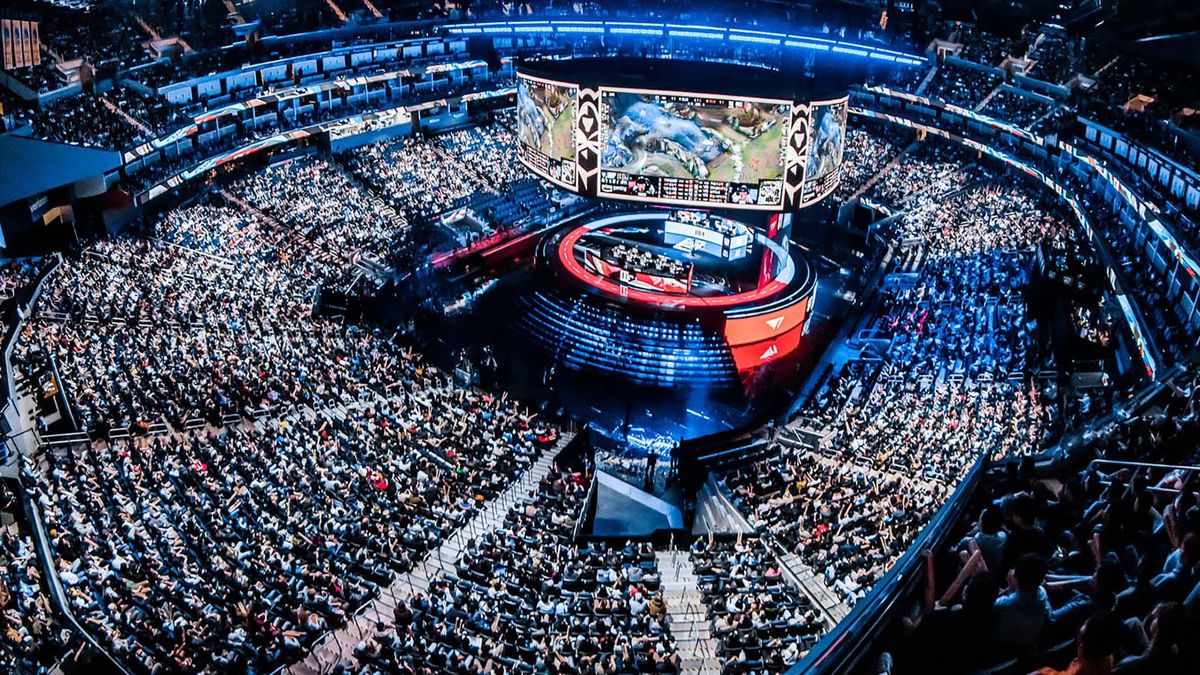
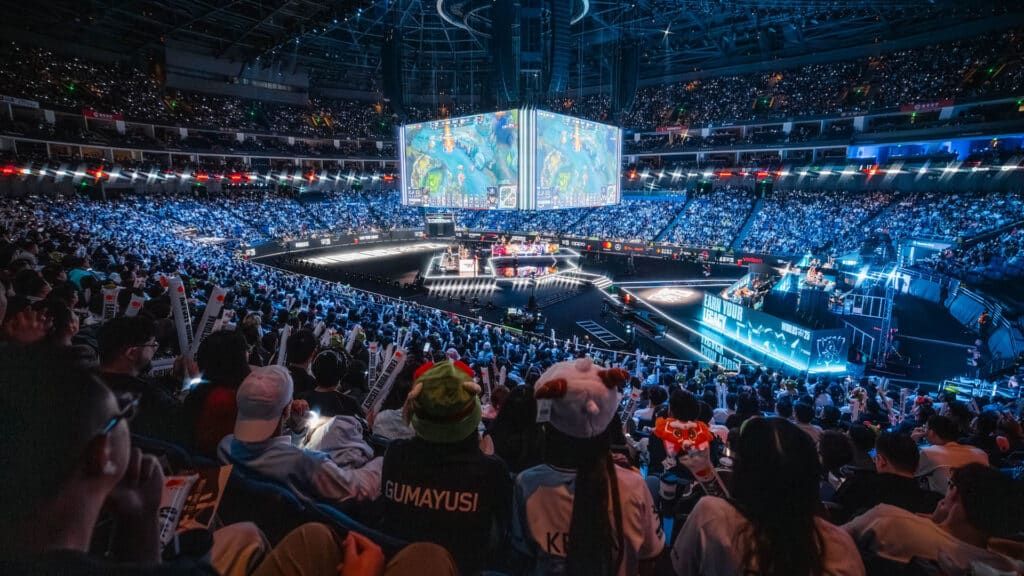
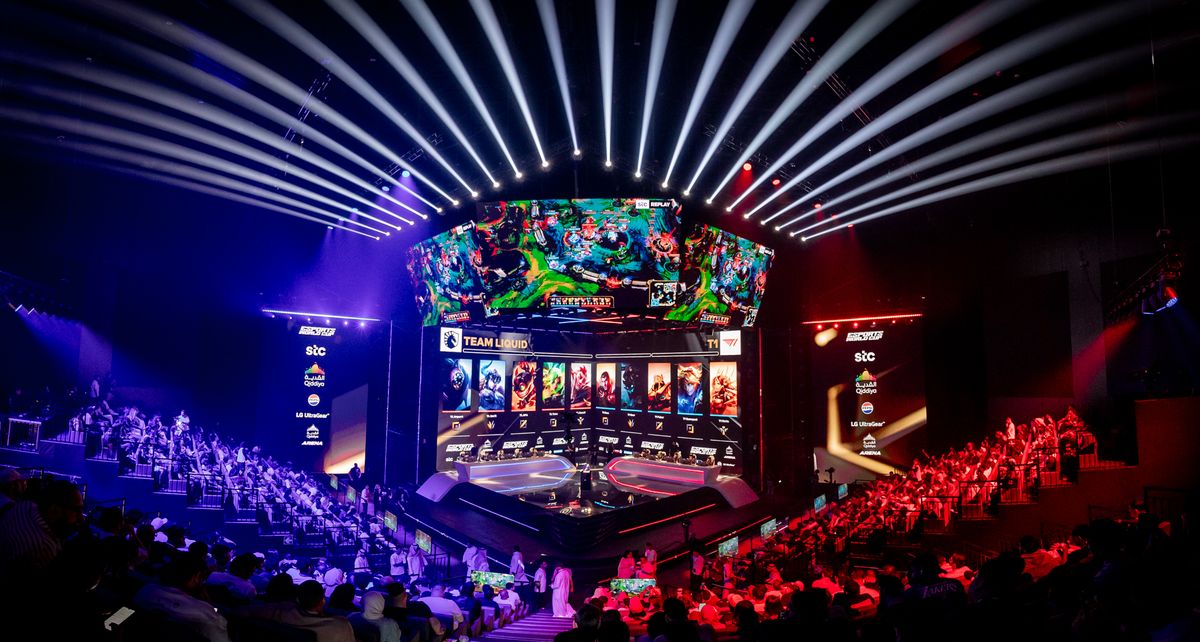
With the exception of some touring events and the online period during the pandemic, all LCS games have been played live at the Riot Games Arena in Los Angeles, California. Matches are played in front of a studio audience and streamed live on Twitch and YouTube. The league has experimented with its broadcast schedule, including a Monday Night League in 2020 that was discontinued due to low viewership, later adding Friday broadcasts.
Throughout its history, the LCS has been the central competitive league for North American League of Legends. It has evolved from an eight-team league with promotion and relegation to a franchised system, weathered player strikes, and undergone a short-lived merger into a larger Americas league before returning to its independent status. Its teams consistently qualify for and compete at the World Championship, First Stand, and the Mid-Season Invitational, defining professional play for the region.
FAQ
When did the LCS start?
The League Championship Series began its first season on February 7, 2013. This inaugural season was designated as Season 3 of professional League of Legends play.
How many teams are in the LCS?
The number of teams has changed over time. The league started with eight teams, expanded to ten in 2015, and operated with ten permanent franchises from 2018 onward. Following team exits after the 2023 season, the LCS continued with eight teams for the 2024 season.
What is the LCS franchise system?
Introduced in 2018, the franchise system replaced promotion and relegation with ten permanent partner teams. Teams paid a multi-million dollar buy-in for a guaranteed spot, which aimed to foster long-term investment in player salaries, facilities, and academy rosters for talent development.
How do LCS teams qualify for the World Championship?
Under the current format, the top three teams from the Summer Split playoffs earn the right to advance to the League of Legends World Championship. Performance in the Spring Split qualifies teams for the Mid-Season Invitational instead.
What was the LCS player walkout in 2023 about?
The LCS Players Association threatened a walkout after Riot Games announced it would no longer require LCS teams to financially support the North American Challengers League. The players viewed this as detrimental to the developmental ecosystem. The strike led to a delayed season start and a new deal with revenue sharing and player protections for the NACL.
Source: English Wikipedia (CC BY-SA), rewritten by the Redington Cybersport desk.