ESL One Cologne 2016
ESL One Cologne 2016 was the ninth Counter-Strike: Global Offensive Major Championship. Held in Germany, it was a defining event where the Brazilian squad SK Gaming successfully defended its title against a historic North American finalist.
| Tournament | ESL One Cologne 2016 |
|---|---|
| Also known as | ESL Cologne Major 2016 |
| Game | Counter-Strike: Global Offensive |
| First held | July 8–10, 2016 |
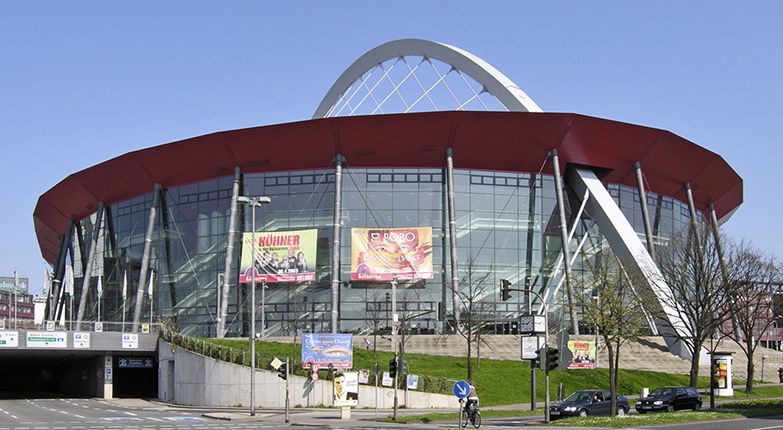
| Location | Lanxess Arena, Cologne, Germany |
| Prize pool | $1,000,000 |
| Teams | 16 |
| Defending champion | SK Gaming |
| Champion | SK Gaming |
| Runner-up | Team Liquid |
Tournament Format and Seeding Controversy
The tournament structure was built around the Legends system, where the top eight teams from the previous Major, MLG Columbus, received automatic invites. The other eight slots were determined through a global qualification process ending in a sixteen-team Main Qualifier. For the group stage, the 16 teams were split into four groups of four, competing in a GSL format. Most matches were best-of-one, except for the final decider match in each group, which was a best-of-three series to determine the second playoff qualifier. All playoff matches were best-of-three, single elimination.
The method for seeding these groups became a major point of contention. ESL used a random number generator to assign teams from four predetermined seeding tiers. The top seeds were the Columbus top four: SK Gaming, Natus Vincere, Astralis, and Team Liquid. The second seeds were the Columbus 5th-8th place teams: Fnatic, Virtus.pro, Counter Logic Gaming, and Ninjas in Pyjamas. This random placement resulted in Group D containing SK Gaming (world #1), G2 Esports (world #2), and Fnatic (world #4). Analysts, including Duncan 'Thorin' Shields, criticized the system, calling Group D the hardest group of all time and arguing that a top-three team would be eliminated while a lesser-rated team from another group would advance.
Qualification Pathway and the Swiss System
Qualification for the Major was a multi-stage global process. Four regional minors were held: the Asia Minor, Europe Minor, CIS Minor, and Americas Minor. Each minor sent its top two teams to the Main Qualifier. They were joined by the eight teams that placed 9th-16th at the previous Major, who received automatic bids to this qualifier.
The Main Qualifier itself debuted a new sixteen-team Swiss system format. In this format, teams were matched against opponents with the same win-loss record after each round, and no team could face the same opponent twice. Matches were best-of-one. The first round was seeded based on prior Major placement and regional minor results. Achieving three wins qualified a team for the Major, while three losses meant elimination. This system was designed to create more balanced matches throughout the qualification tournament.
The Group Stage and Shifting Legends
The group stage played out under the shadow of the seeding debate. Group D, the so-called Group of Death, lived up to its name but ultimately saw the top-seeded SK Gaming and the fourth-seeded Fnatic advance, eliminating the highly-ranked G2 Esports and FaZe Clan. The other groups saw more predictable outcomes, with teams like Virtus.pro, Natus Vincere, and Astralis securing playoff berths.
A significant storyline was the end of Ninjas in Pyjamas' streak. The Swedish team, which had been a Legend for eight consecutive majors, failed to advance from its group. This opened the door for a new Legend to emerge. FlipSid3 Tactics, which advanced from Group C, became the only new team to earn Legend status for the next major, joining the seven other playoff teams who retained their spots.
Playoff Bracket and Team Liquid's Historic Run
The playoff bracket featured eight teams, with all matches being best-of-three. The quarterfinals set the stage for an unexpected narrative. In one match, Team Liquid, the North American squad, faced the Ukrainian team Natus Vincere. Team Liquid won, advancing to the semifinals. There, they met the Swedish dynasty Fnatic, a team with multiple Major titles. In another upset, Team Liquid defeated Fnatic, securing their place in the grand finals.
This achievement made Team Liquid the first ever North American team to reach the grand finals of a CS:GO Major Championship. On the other side of the bracket, the defending champions SK Gaming had a more conventional path, first defeating the new Legend FlipSid3 Tactics and then overcoming Virtus.pro in the semifinals to earn their spot in the final.
The Grand Final and SK Gaming's Dynasty
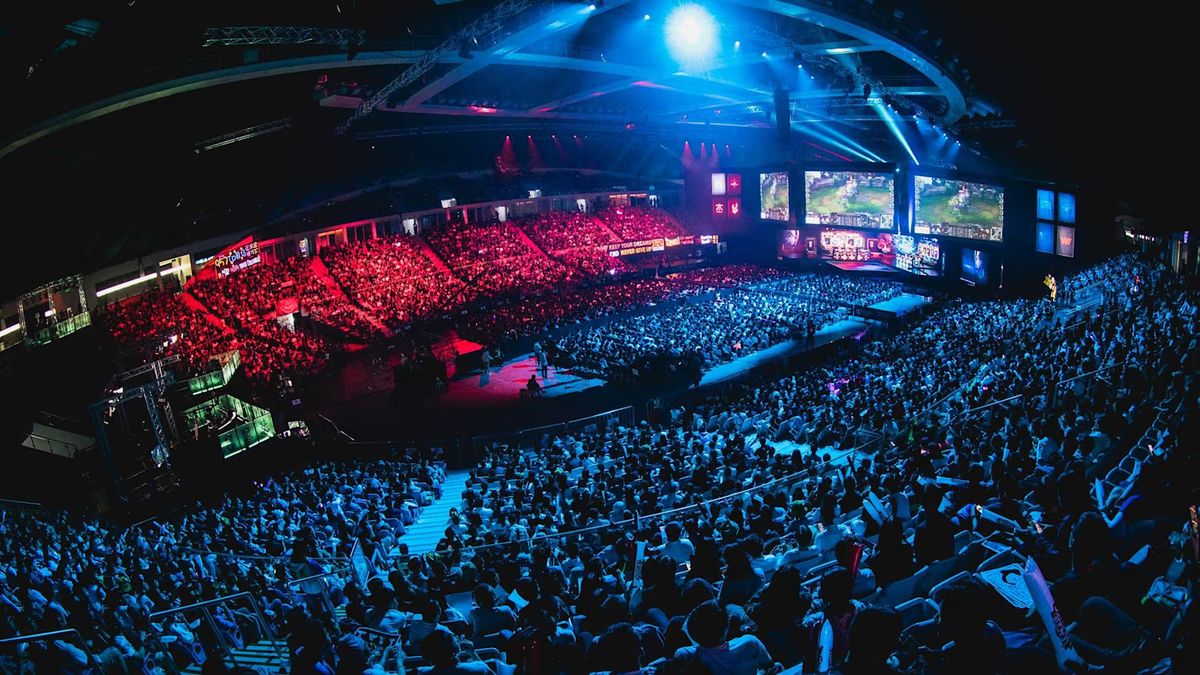
The grand final at the Lanxess Arena presented a clash between the established Brazilian champions and the North American challengers. SK Gaming, playing under its new organization name after a post-Columbus roster transfer, entered as the heavy favorite. Team Liquid, despite its wins over Natus Vincere and Fnatic, could not overcome SK's tactical skill and experience.
SK Gaming won the series 2-0, successfully defending the Major title they had won months earlier at MLG Columbus. This victory gave SK Gaming its second Major championship, making them only the second team after Fnatic to have won multiple Majors. Furthermore, they remained the only non-European team to have won a Major title, a distinction they held until the following year's PGL Major in Krakow, where Gambit Esports from Kazakhstan won.
Map Pool Changes and In-Game Procedures
The active map pool for the tournament saw a significant change between the Columbus and Cologne Majors. The classic map Inferno was removed from the competitive rotation, and the revamped version of Nuke was reintroduced by the CS:GO development team, bringing the total map pool to seven.
The process for selecting maps differed between the group stage and playoffs. In the best-of-one group matches, teams took turns banning maps until only two remained. One of these two was then randomly selected to be played. For all best-of-three series, including the playoffs, each team would ban one map, then pick one map from the remaining five to play. The opponent would choose the starting side on the picked map. If a third map was needed, it was randomly selected from the three maps not yet picked or banned.
Broadcast and Lasting Impact
The event was presented by a large team of esports broadcasting talent. Hosting duties were shared by Paul 'ReDeYe' Chaloner, Alex 'Machine' Richardson, and Mitch 'Uber' Leslie. Analysis was provided by Duncan 'Thorin' Shields, Jason 'moses' O'Toole, and Janko 'YNk' Paunović. The commentary team featured prominent voices like Anders Blume, Semmler, HenryG, Sadokist, ddk, James Bardolph, Pansy, and BLU. All coverage was streamed live on Twitch in multiple languages.
ESL One Cologne 2016 is remembered for confirming SK Gaming's status as a world-dominating team, for Team Liquid's breakthrough performance that changed perceptions of North American CS:GO, and for the intense scrutiny it placed on Major championship seeding methods. The event also marked a symbolic passing of the torch as the Ninjas in Pyjamas era of consistent top-eight finishes came to an end.
FAQ
Who won ESL One Cologne 2016?
SK Gaming won ESL One Cologne 2016. They defeated Team Liquid 2-0 in the grand finals to successfully defend their Major championship title from the previous event.
Why was Group D called the 'Group of Death'?
Group D was called the Group of Death because it contained an unusually high concentration of top-ranked teams due to the random seeding. It featured the world's number one team SK Gaming, number two G2 Esports, and number four Fnatic, all competing for only two playoff spots.
What was historic about Team Liquid's performance?
Team Liquid made history by becoming the first ever North American team to reach the grand finals of a Counter-Strike: Global Offensive Major Championship. They achieved this by upsetting top teams like Natus Vincere and Fnatic in the playoffs.
What was the prize pool for the tournament?
The prize pool for ESL One Cologne 2016 was $1,000,000. This marked the second consecutive Major championship to feature a one-million-dollar prize pool.
Which team lost its Legend status at this event?
Ninjas in Pyjamas failed to retain its Legend status at ESL One Cologne 2016. This ended their streak of being a Legend team, which had lasted for eight consecutive Major championships.
Source: English Wikipedia (CC BY-SA), rewritten by the Redington Cybersport desk.