ESEA League
The ESEA League is an online competitive gaming league and community best known for its structured Counter-Strike competitions and proprietary anti-cheat software. It serves as a crucial pathway for amateur and professional players, offering a ladder system that culminates in high-stakes finals. The league is now operated on the FACEIT platform, connecting its ecosystem to top-tier circuits like the ESL Pro League.
| Founded | 2003 |
|---|---|
| Founder | E-Sports Entertainment Association (ESEA) |
| Primary Game | Counter-Strike: Global Offensive |
| Key Feature | Proprietary anti-cheat software |
| Pathway | To ESL Pro League |
| Finals Location | Dallas, Texas |
| Notable Incident | 2013 Bitcoin mining controversy |
| Platform | FACEIT |
Origins and Evolution
The ESEA League began in 2003, initially offering instructional lessons for games like Half-Life, Counter-Strike, and Warcraft III to help players improve their skills. The organization quickly expanded its offerings, creating the first professional fantasy esports league in 2004. While its league history started with Counter-Strike, ESEA later added Team Fortress 2 to its roster, especially after that game adopted a free-to-play model. However, due to a relative lack of players, ESEA announced the shutdown of its Team Fortress 2 leagues in April 2019, refocusing its efforts on Counter-Strike.
The Competitive Structure
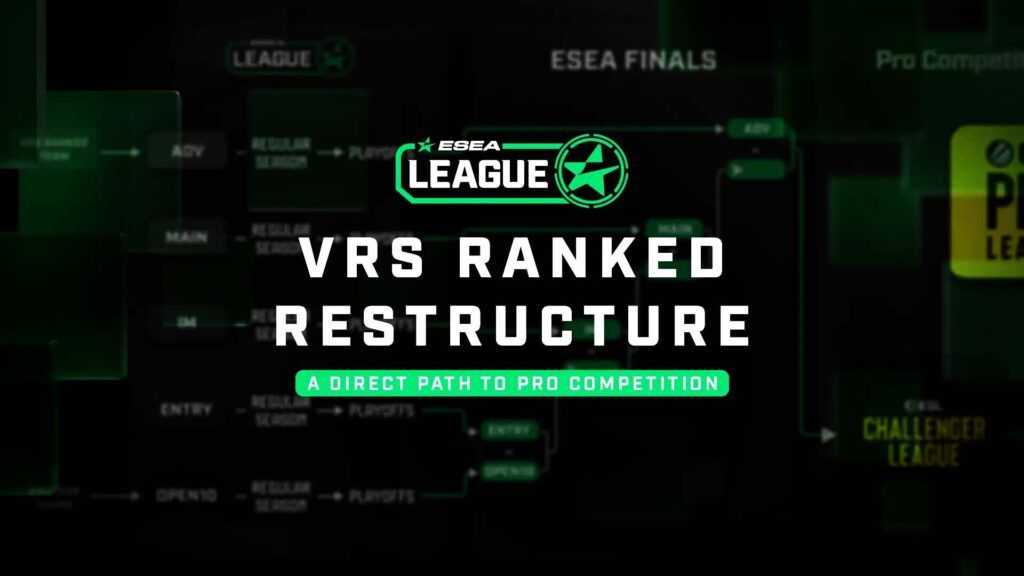
The ESEA League is designed as a structured, tiered competitive environment for Counter-Strike. It allows players of all skill levels to compete in weekly high-pressure official matches against organized teams. The league operates on a seasonal model, with players and teams competing to climb the ranks toward the professional scene. Successful performance in the ESEA League can serve as a direct path to the prestigious ESL Pro League, with significant prize pools on offer.
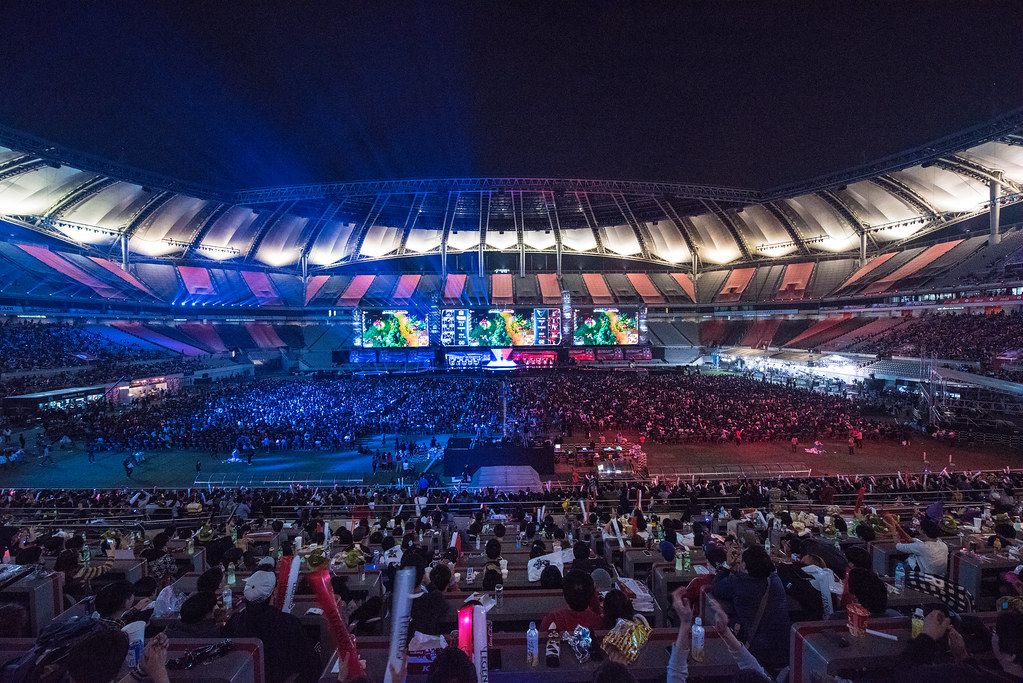
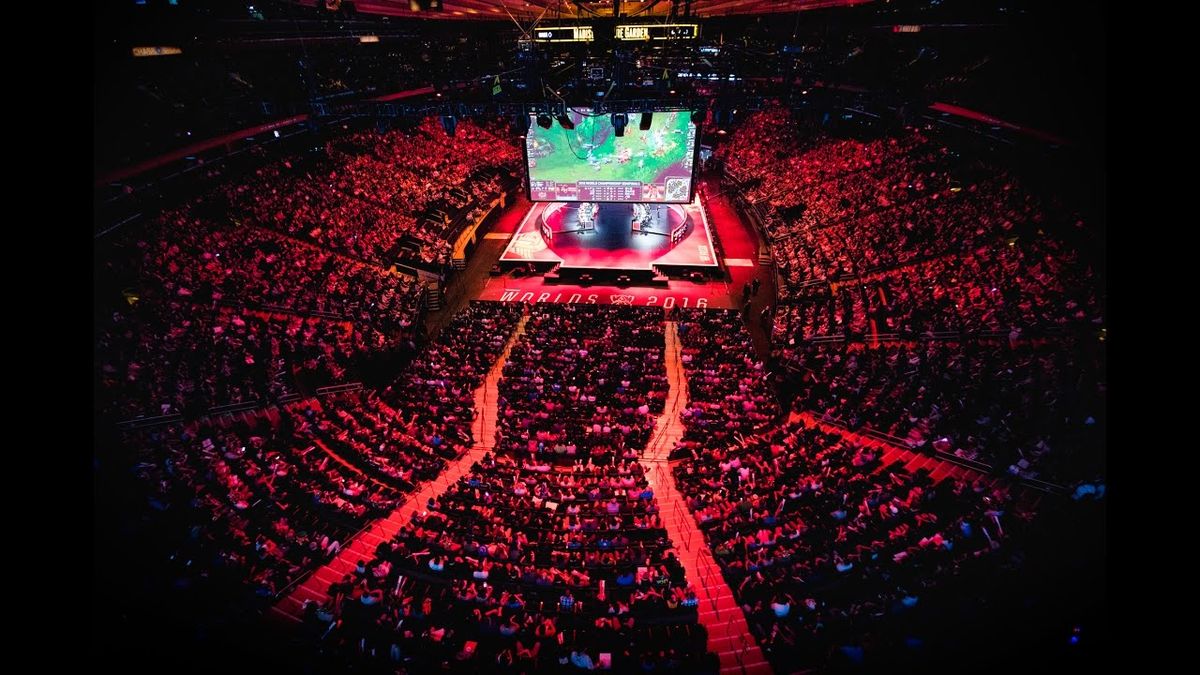
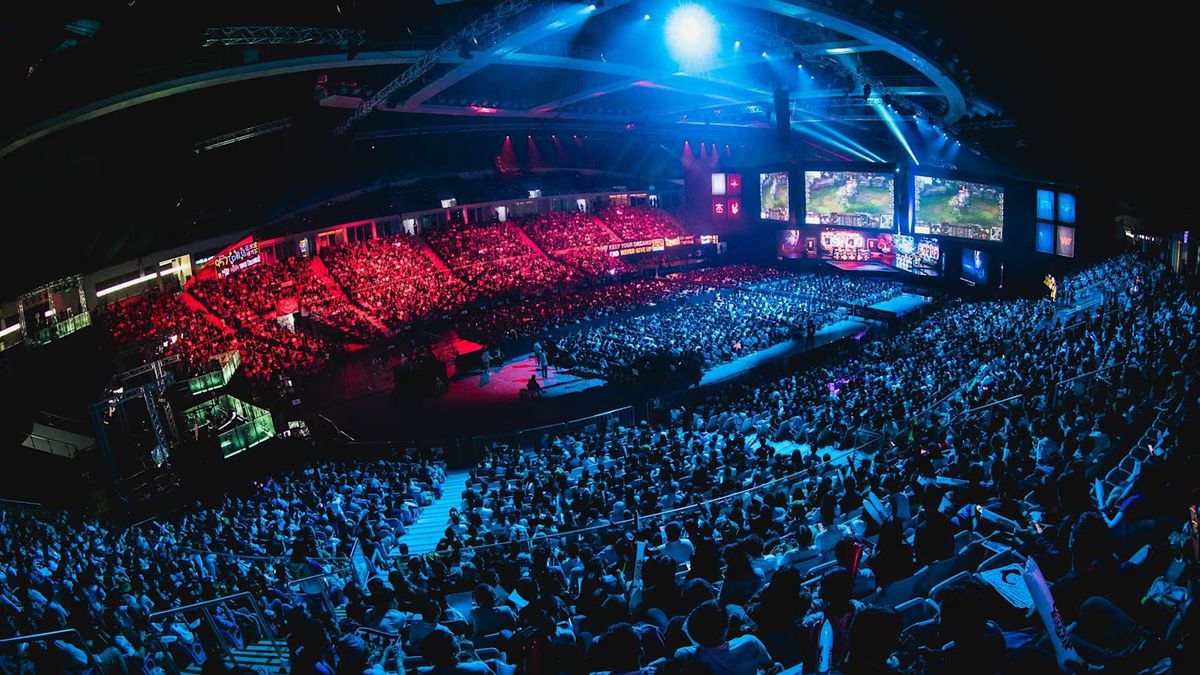
Seasons culminate in LAN finals, such as the Season 58 Finals which featured 20 teams from Europe, 16 from North America, and 4 from Oceania. These finals are major events in the competitive calendar, often held in Dallas, Texas, and feature substantial prize money, like the €25,000 prize pool for the Season 57 Finals for CIS and European teams.
Broadcasting and Community
ESEA League matches are widely accessible to fans through live streaming. Over the years, games have been broadcast on various internet channels including eXtv, TeamFortress.tv, and prominently on Twitch. Match clips and highlights are also shared on platforms like YouTube. This extensive coverage has helped build a dedicated community around the league, allowing fans to follow the progression of teams from open divisions all the way to the professional finals.
The Anti-Cheat and Bitcoin Incident
A central part of ESEA's reputation is its proprietary anti-cheat software, which is mandatory for participants and is credited with maintaining competitive integrity. However, this software was at the center of a major controversy in 2013. On May 1 of that year, a user reported that the anti-cheat client was being used to mine Bitcoin without consent.
ESEA co-founder Eric 'lpkane' Thunberg confirmed the activity in forum posts. The mining operation, which had been running for a period, generated Bitcoin with a claimed value of $3,713.55 at the time of discovery. The fallout led to a $1 million settlement with New Jersey authorities in November 2013, though a separate class-action lawsuit remained ongoing.
Global Expansion and the Middle East
ESEA has worked to expand its competitive footprint globally. In 2017, the company announced new server deployments in Dubai to better serve the Counter-Strike community in the Middle East. This infrastructure investment was followed by competitive initiatives for the region.
In April 2018, ESEA launched a Rank S division, a premier matchmaking tier, for players in the Middle East. The following month, the organization announced its first dedicated CS:GO league for Middle Eastern teams, formally integrating the region into its competitive ecosystem.
The Modern Era on FACEIT
Today, the ESEA League operates on the FACEIT platform, a major hub for competitive gaming. This integration emphasizes its role as a foundational league within a larger ecosystem. Promotional materials highlight the league as the starting point for a path to the ESL Pro League, with opportunities to win a share of substantial prize pools, such as $230,000. The league continues to market itself as the environment where Counter-Strike is meant to be played, focusing on organized team competition at every level.
FAQ
What is the ESEA League?
The ESEA League is an online competitive gaming league and community founded in 2003. It is best known for its structured Counter-Strike competitions that serve as a pathway for players of all levels to progress toward the professional scene, including the ESL Pro League.
What was the ESEA Bitcoin mining incident?
In May 2013, it was discovered that ESEA's anti-cheat software was secretly used to mine Bitcoin on users' computers without their knowledge or consent. The mining generated about $3,700 in Bitcoin, leading to a $1 million settlement with authorities later that year.
Where are the ESEA League finals held?
The annual ESEA League LAN finals are typically held in Dallas, Texas. These events feature top teams from various regions competing for seasonal championships and prize money.
What games does the ESEA League support?
The league originally supported Counter-Strike and later added Team Fortress 2. However, the Team Fortress 2 leagues were shut down in 2019 due to low player numbers. Today, ESEA exclusively focuses on organizing competitions for Counter-Strike: Global Offensive.
How can I watch ESEA League matches?
ESEA League games are broadcast via live streams on platforms like Twitch. Historically, matches have also been shown on channels such as eXtv and TeamFortress.tv, with clips and highlights available on YouTube.
Source: English Wikipedia (CC BY-SA), rewritten by the Redington Cybersport desk.