ELEAGUE Major: Boston 2018
The ELEAGUE Major: Boston 2018 was the twelfth Counter-Strike: Global Offensive Major Championship and the second organized by ELEAGUE. It was a landmark event, becoming the first Major to be held across two cities and culminating in a historic victory for North American esports.
| Tournament | ELEAGUE Major: Boston 2018 |
|---|---|
| Game | Counter-Strike: Global Offensive |
| First held | January 12, 2018 |
| Final held | January 28, 2018 |
| Prize pool | $1,000,000 |
| Developer | Hidden Path Entertainment and Valve |
| Defending champion | Gambit Esports |
| Champion | Cloud9 |
| Runner-up | FaZe Clan |
| Number of teams | 24 |
A New Format and Historic Expansion
The Boston Major introduced a significant change to the structure of CS:GO's premier events. For the first time, the tournament expanded from 16 to 24 teams, with ELEAGUE and Valve rebranding the offline qualifier as an official part of the Major. This initial phase was called the New Challengers stage, held in Atlanta from January 19 to 22. Teams that progressed from this stage earned in-game stickers and a share of the associated revenue, a first for qualifier participants.
The tournament was divided into three distinct stages. The New Challengers stage and the subsequent New Legends stage, which replaced the traditional group stage, both used a Swiss-system format. The top eight teams from the New Legends stage advanced to the single-elimination playoff bracket, known as the Champions stage, held in Boston from January 26 to 28. This two-city approach made Boston 2018 the first CS:GO Major to be hosted in multiple locations. The map pool for the event remained unchanged from the previous major, despite the release of a new version of Dust II months earlier.
The Road to Boston and Regional Qualifiers
Qualification for the Major was a global process. The 16 teams from the previous Major in Kraków automatically qualified. The remaining eight spots were filled through four regional Minors in Asia, CIS, Europe, and the Americas, each with a $50,000 prize pool. These Minors, however, were not without controversy. The Asia and CIS Minors relied solely on direct invitations, which excluded some successful teams like Recca eSports and Grayhound Gaming. The Europe Minor used an online open qualifier on the CEVO platform, which faced criticism over its anti-cheat measures leading to several mid-match bans and forced forfeits in a 512-team bracket.
The Americas Minor in Toronto automatically invited Team Liquid and Counter Logic Gaming. The qualification process was further complicated by visa issues for several players and strict roster lock rules enforced by ELEAGUE. These rules, which locked rosters months in advance, forced top teams like SK Gaming and Astralis to compete with stand-ins at the Major. SK Gaming had to use a stand-in because they had changed a player in October, while Astralis's star player Nicolai Reedtz had medical issues in November. This drew widespread criticism from the professional community. Team Liquid coach Wilton Prado was also denied his own player sticker despite standing in for a player who could not compete due to the roster lock rules.
An Unpredictable Tournament Unfolds
The expanded format led to one of the most unpredictable Majors in history. In the New Legends stage, only two of the eight entering Legend teams, SK Gaming and Fnatic, managed to advance to the playoffs and retain their elite status. This was the fewest ever. Notably, the core of the highly ranked Astralis team failed to reach the playoffs for the first time in Major history. The new Legends crowned in Boston were FaZe Clan, G2 Esports, Natus Vincere, Quantum Bellator Fire, Cloud9, and mousesports. This left only two players, Olof Kajbjer of FaZe and Freddy Johansson of Fnatic, who had been Legends at all twelve Majors to that point.
This shakeup set the stage for a surprising playoff bracket. The grand final pitted the international superteam FaZe Clan, the tournament favorites, against the North American underdogs Cloud9. Cloud9 had fought through the bracket with upset wins over G2 Esports and SK Gaming to become only the second North American team ever to reach a Major final. FaZe Clan reached the final by defeating mousesports and Natus Vincere.
A Historic Victory for North America
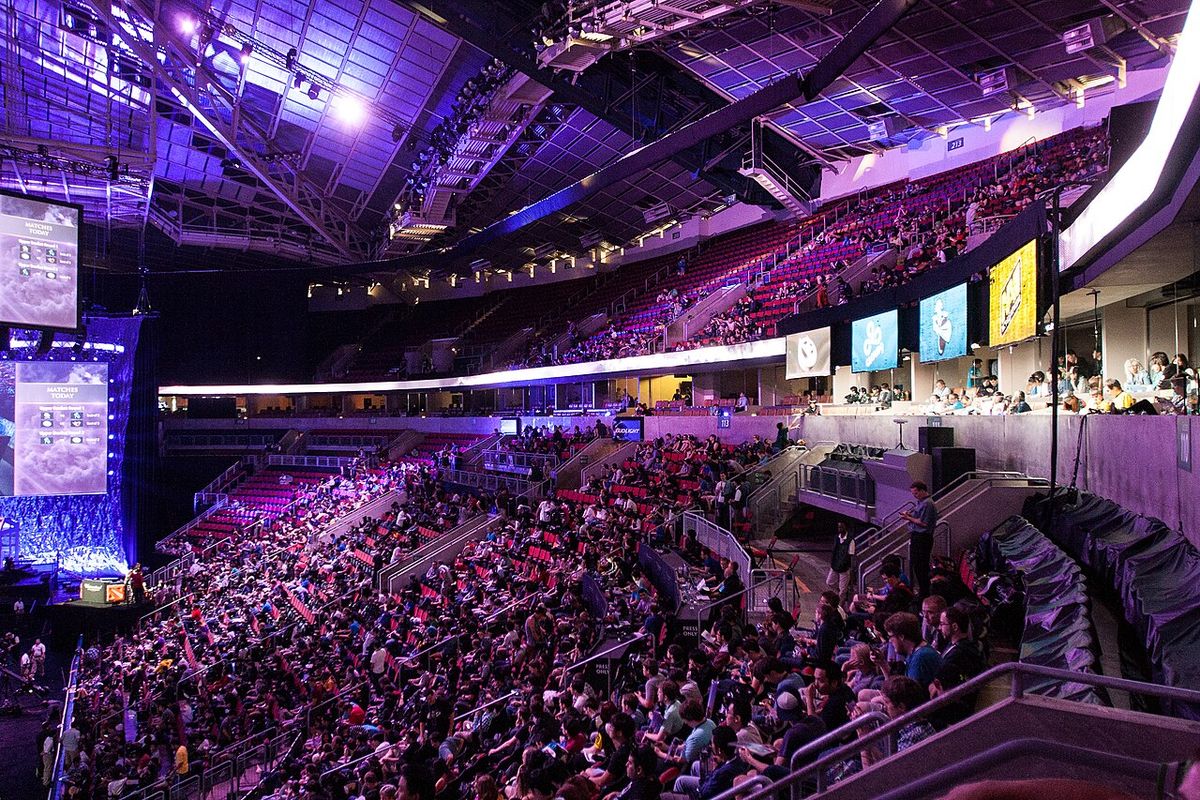
The grand final at Boston's Agganis Arena was a tense affair. Cloud9, representing the long-held hopes of the North American region, faced a FaZe Clan roster packed with international stars. In a dramatic series, Cloud9 secured a narrow victory, etching their names into CS:GO history. Their win marked the first time a North American team had ever won a CS:GO Major championship.
This victory was just the fourth time a North American team had won a premier international CS:GO event, following wins by iBUYPOWER, Cloud9 themselves in ESL Pro League Season 4, and OpTic Gaming. It was a watershed moment for the region, breaking the European dominance of the Major circuit. The win was made even more significant given the roster lock controversies that had affected their competitors. After defeating SK Gaming in the semifinals, Cloud9 player Timothy Ta also stated that the system was not fair.
Controversy and Criticism
Beyond the on-server action, the Boston Major was overshadowed by several organizational issues. The late announcement of the tournament caused visa problems for players. The roster lock rules were a major point of contention. SK Gaming player Epitacio de Melo called the rule ridiculous and said he did not think majors were a big deal anymore. FaZe Clan player Ladislav Kovacs said the Major would be devalued if teams had to play with stand-ins. Journalists sought explanations from ELEAGUE for the timing of the rule change, but the organization did not respond.
Another criticism concerned the playoff schedule. The format required the winner of the fourth quarterfinal to play their semifinal match on the same day, with only a few hours of rest, while their opponent was fully rested. Out of seven Majors using this format, the team playing twice in one day had lost the semifinal five times. After Cloud9 defeated SK Gaming in that second semifinal, players and coaches from both teams called the system unfair to the team with less rest.
Broadcast and Lasting Impact
The event was broadcast to a global audience with a talent lineup featuring Richard Lewis as desk host, Sue Smix Lee as stage host, and Alex Goldenboy Mendez as master of ceremonies. Commentators and analysts included Anders Blume, Jason Moses O'Toole, and others. The matches were streamed on Twitch in multiple languages, as well as on ELEAGUE's own website and YouTube channel.
The legacy of the ELEAGUE Major: Boston 2018 is defined by its revolutionary 24-team, two-stage format, the intense controversy surrounding its administration, and Cloud9's unexpected underdog victory. The tournament broke the European stranglehold on the Major title and provided one of the most memorable and emotional moments in the history of North American esports. It also highlighted ongoing tensions between tournament organizers, Valve, and professional teams over rules and player welfare.
FAQ
Who won the ELEAGUE Major: Boston 2018?
Cloud9 won the ELEAGUE Major: Boston 2018, defeating FaZe Clan in the grand finals. This victory made them the first North American team to win a CS:GO Major.
What was the prize pool for the Boston 2018 Major?
The prize pool for the ELEAGUE Major: Boston 2018 was $1,000,000. This was the fifth consecutive Major to feature this prize pool amount.
Why was the Boston Major notable for its format?
The Boston Major was the first CS:GO Major to feature 24 teams instead of 16, and the first to be held in two cities, Atlanta for the group stage and Boston for the playoffs. It also introduced the New Challengers and New Legends stage nomenclature.
What were the main controversies at the Boston Major?
Major controversies included strict roster lock rules that forced top teams to use stand-ins, visa issues for players due to a late tournament announcement, and criticism of the playoff schedule that required a team to play two best-of-three series in one day.
Which teams lost their Legend status at the Boston Major?
Defending champions Gambit Esports, along with 100 Thieves, Astralis, BIG, North, and Virtus.pro, all lost their Legend status by failing to finish in the top eight of the New Legends stage.
Source: English Wikipedia (CC BY-SA), rewritten by the Redington Cybersport desk.