2025 Esports World Cup – League of Legends
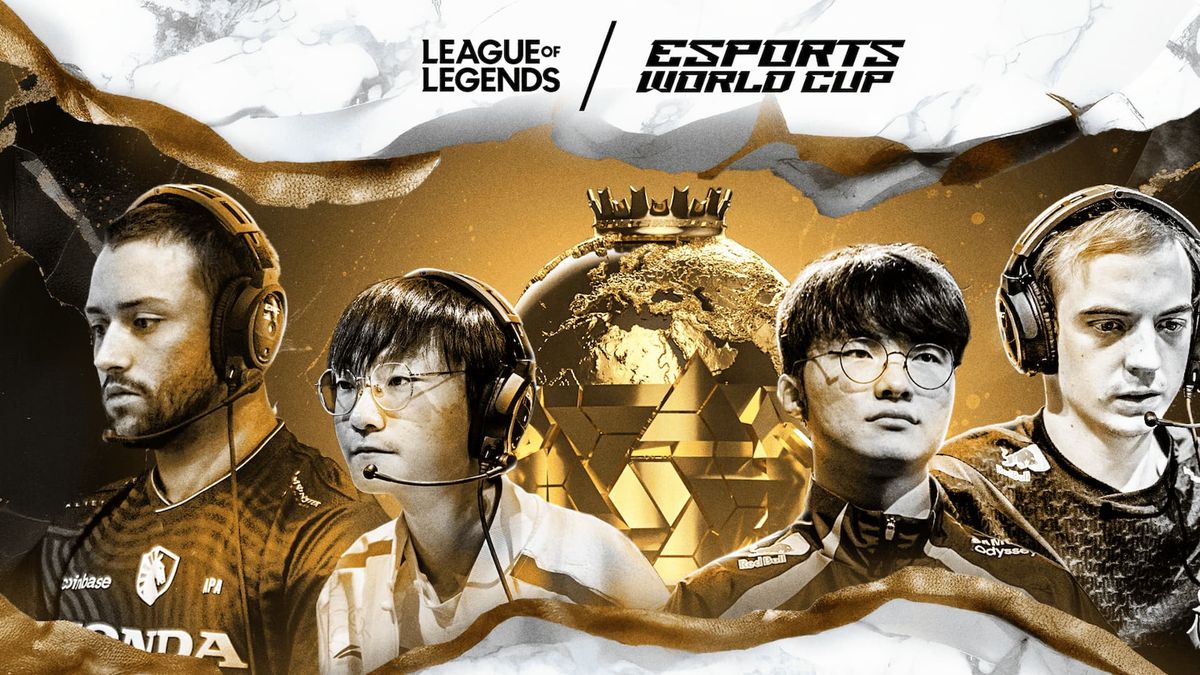
The 2025 Esports World Cup, League of Legends tournament was a major global championship held in Riyadh, Saudi Arabia, from July 16 to 20. It featured twelve of the world's best teams competing for a doubled prize pool of two million dollars, culminating in a dramatic final victory for Gen.G.
| Game | League of Legends |
|---|---|
| Event | Esports World Cup |
| Location | Riyadh, Saudi Arabia |
| Venue | STC Esports Arena |
| Dates | July 16–20, 2025 |
| Prize Pool | $2,010,000 USD |
| Format | Group stage & single-elimination playoffs |
| Champion | Gen.G |
| Runner-up | AG.AL |
| Developer | Riot Games |
The Tournament and Its Significance
The 2025 Esports World Cup marked the second time League of Legends was featured at the global multi-game festival and the first under a new three-year partnership between Riot Games and the Esports World Cup Foundation. This agreement secured the game's place alongside Valorant and Teamfight Tactics at the event through 2027, confirming its position as a core title in one of esports' major competitions. The tournament itself was a compact, high-stakes affair, bringing together elite regional talent for a five-day showdown with a prize pool doubled from the previous year to over two million dollars.
Twelve teams qualified for the event, representing the top competitive regions. The tournament served as a direct follow-up to the 2025 Mid-Season Invitational, with team seeding largely determined by MSI performance. This created a direct narrative link between the two major international events, offering teams a chance at redemption or to confirm their dominance on the global stage in a different, faster-paced format. The event was the fourth season of the Esports World Cup overall, a multi-game festival designed to crown the world's best esports club.
Qualification and Participating Teams
Qualification for the 2025 Esports World Cup was tightly connected to regional league performance and the Mid-Season Invitational. The defending champion from the 2024 EWC, T1, received an automatic invite. The other eleven slots were allocated to teams that had qualified for MSI 2025 through their placements in their respective leagues.
The regional distribution was set as two teams each from Korea's LCK, China's LPL, the EMEA region's LEC, and the Asia-Pacific LCP. The Americas region, represented by the LTA, was granted three slots. These were awarded to the top two teams from the North Conference and the champion from the South Conference in Split 2 of their season. This system ensured representation from the world's strongest leagues while rewarding consistent domestic success. The specific teams that filled these slots were determined by their results at MSI 2025, with their seeding for the EWC tournament being based directly on their MSI performance.
Competition Format
The tournament used a two-phase format comprising a group stage and a playoff bracket. The group stage ran on July 16 and 17 and involved eight teams. These were the squads that finished between 5th and &10th at MSI 2025, plus the third-ranked LCK team and the second-ranked LTA North team. They were split into two groups of four for a GSL-style, double-elimination bracket. All matches in this stage were fast-paced best-of-one contests, with the top two teams from each group advancing. A draw for the group stage was announced on July 11, 2025, and teams from the same region could not be placed in the same group.
The playoffs began immediately after the group stage concluded, running from July 17 through the final on July 20. The four group stage qualifiers joined the top four teams from MSI 2025 in an eight-team, single-elimination bracket. The matchups for the playoffs were determined by a separate draw. The quarterfinals and semifinals were played as best-of-three series. The grand final was a more extensive best-of-five match, providing a greater test of depth and adaptation for the two finalists. A third-place match was also held between the two semifinal losers.
The Path to the Final and Champion
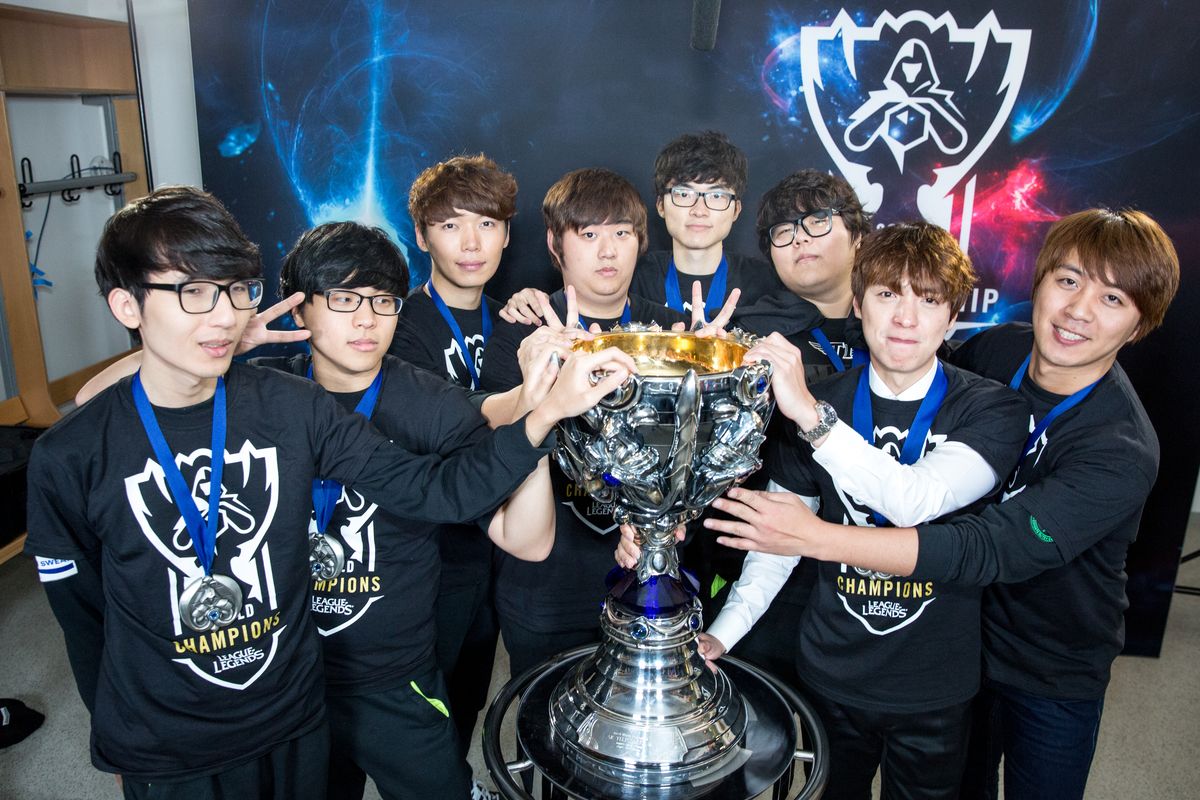
The tournament culminated in a grand final between South Korea's Gen.G, representing the LCK, and China's AG.AL from the LPL. The series went the full distance, with Gen.G ultimately prevailing in a tense 3-2 victory to claim the championship. This win confirmed Gen.G's position as a leading team during the 2025 season, adding the EWC title to their competitive resume.
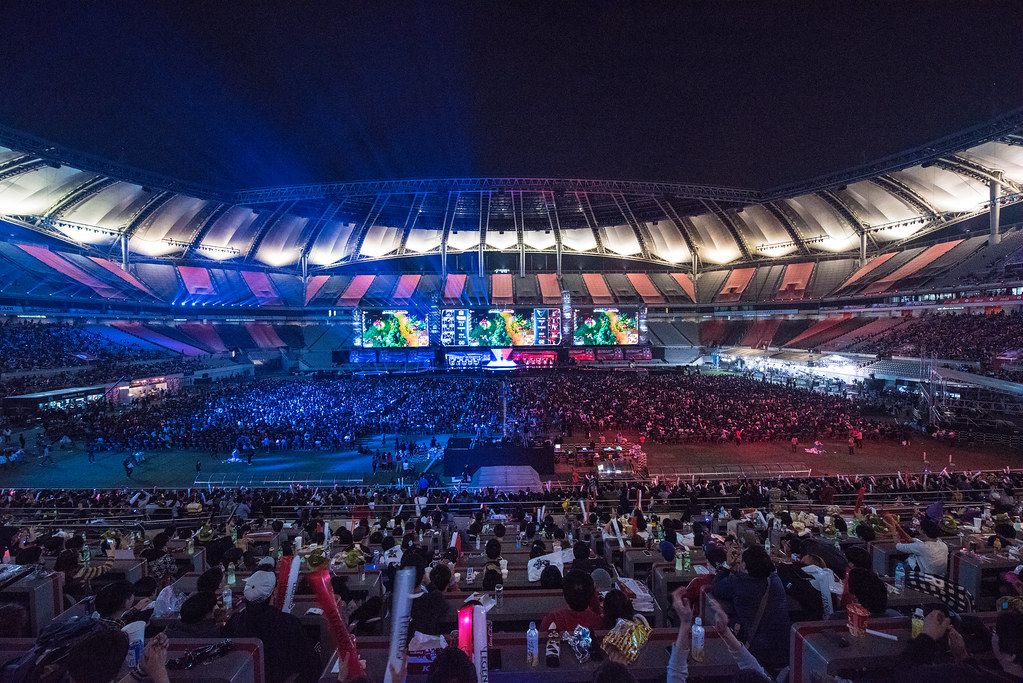
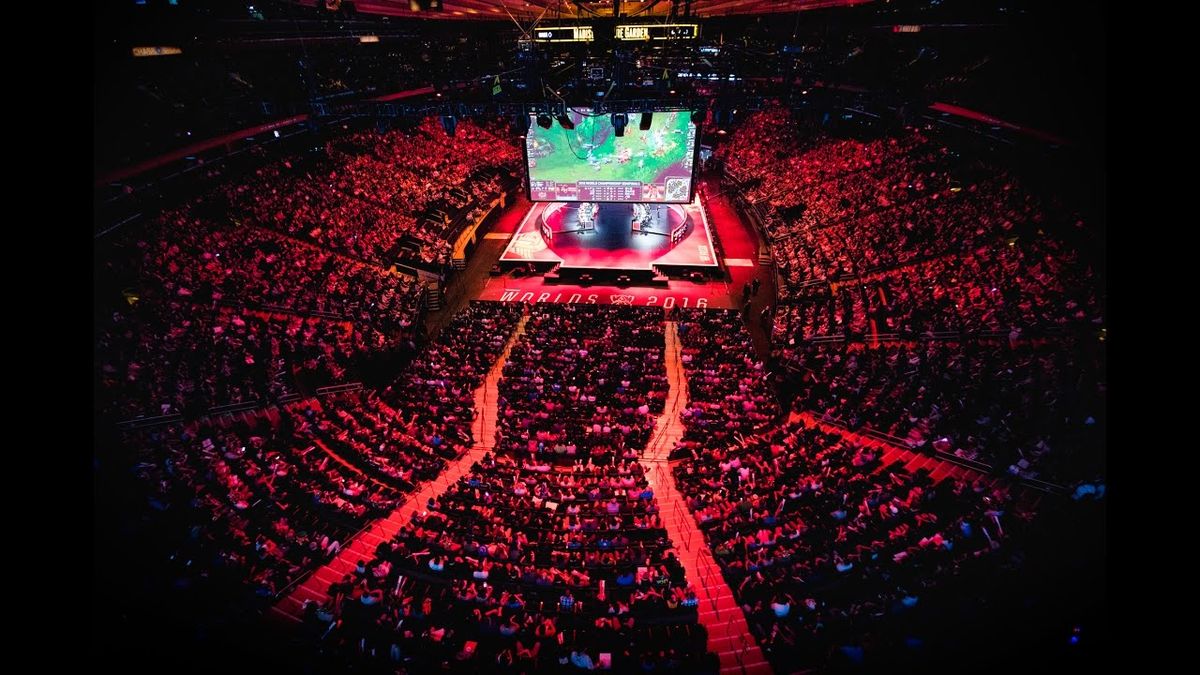
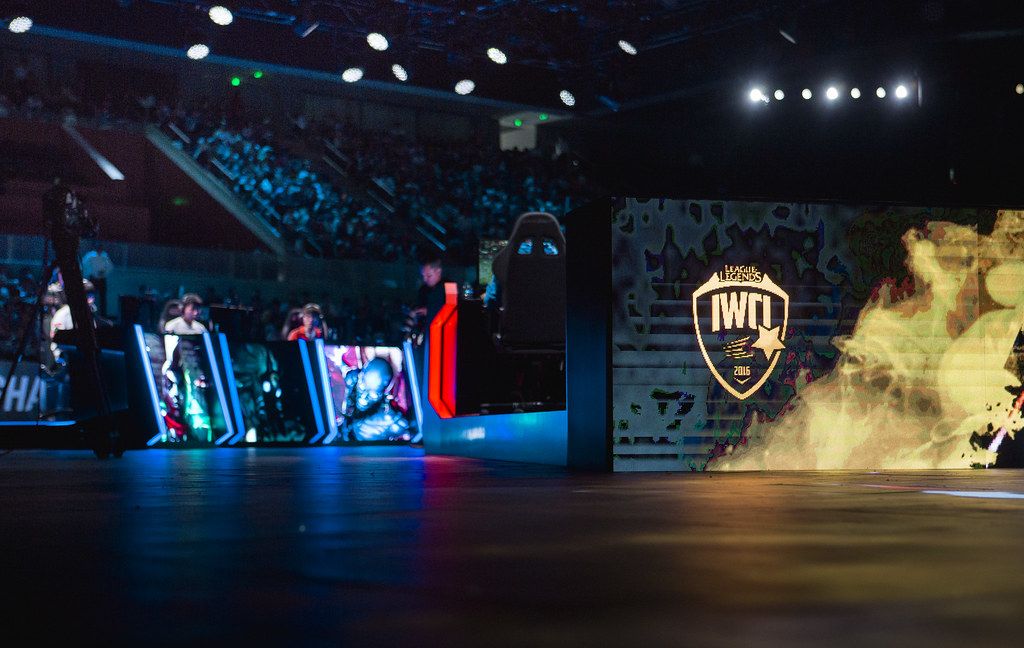
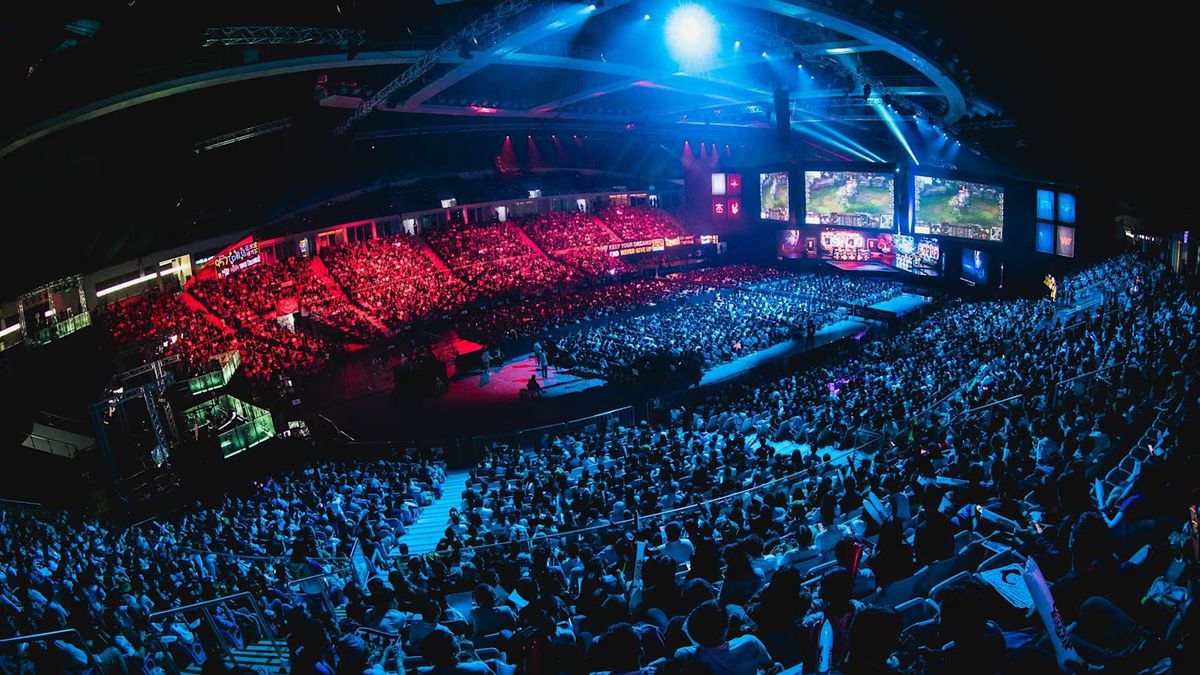
The event was held at the STC Esports Arena in Riyadh. The compact five-day schedule created a festival-like atmosphere of concentrated, high-level play, where teams had to adapt quickly to the format and their opponents. The doubled prize pool of two million dollars underscored the growing prestige and financial investment in the Esports World Cup as a premier destination for elite League of Legends competition. The total prize pool was distributed among the teams based on their final ranking in the tournament.
The Esports World Cup Context
The 2025 event was the fourth season of the Esports World Cup overall, a multi-game festival designed to crown the world's best esports club. The inclusion of League of Legends was a major part of this vision. The partnership with Riot Games guaranteed the game's presence for three years, providing stability and a marquee title for the festival's lineup.
While the 2025 edition was held in Riyadh, the event was already looking ahead to a major change. The 2026 Esports World Cup was scheduled to move to Paris, France, expanding to a seven-week spectacle featuring over 2,000 players across more than twenty games. The 2025 League of Legends tournament thus served as a key bridge, maintaining the game's high-profile status within the EWC framework during a period of significant growth and geographical transition for the overarching event. The EWC Foundation also announced that Counter-Strike 2 would return to the event in 2027 and 2028, indicating long-term planning for the festival beyond the initial Riot Games partnership.
League of Legends as an Esport
League of Legends is a multiplayer online battle arena game featuring more than 170 champions, each with distinct abilities. Matches are played on a map called Summoner's Rift, where two teams of five players compete. Each player controls one champion and is assigned a specialized role: Top Lane, Jungle, Mid Lane, Bot Lane, or Support. The objective is to work as a team to destroy the opposing team's base structure, known as the Nexus.
Success at the professional level demands extreme precision, deep strategic planning, and the ability to adapt constantly during a match. Teams battle for control of lanes, secure neutral jungle objectives for economic and strategic advantages, and engage in large team fights that can instantly shift the momentum of a game. Coordinated execution of these elements creates the dramatic comebacks and memorable moments that define elite League of Legends esports. Its enduring popularity makes it one of the most played games in the world and a fundamental part of the global esports scene.
FAQ
Who won the 2025 Esports World Cup for League of Legends?
Gen.G, the team from the LCK (League of Legends Champions Korea), won the tournament. They defeated AG.AL from China's LPL (League of Legends Pro League) 3-2 in the best-of-five grand final.
What was the prize pool for the 2025 EWC League of Legends tournament?
The total prize pool was $2,010,000 USD. This was double the amount offered at the 2024 Esports World Cup League of Legends event.
How did teams qualify for the 2025 Esports World Cup?
Teams qualified based on their performance in their regional leagues and at the 2025 Mid-Season Invitational. The 2024 champion T1 qualified automatically. The other spots went to teams that had earned qualification for MSI 2025, with two teams each from the LCK, LPL, LEC, and LCP, and three teams from the LTA.
Where and when was the 2025 EWC League of Legends event held?
The tournament was held in Riyadh, Saudi Arabia, at the STC Esports Arena. It took place over five days, from July 16 to July 20, 2025.
What was the format of the tournament?
The format had a group stage and a playoff bracket. Eight teams played in a double-elimination group stage with best-of-one matches. The top two from each group then joined the top four MSI teams in an eight-team, single-elimination playoff. Quarterfinals and semifinals were best-of-three, and the final was best-of-five.
Source: English Wikipedia (CC BY-SA), rewritten by the Redington Cybersport desk.