Flash
Lee Young-ho, known professionally as Flash, is a South Korean esports player celebrated as the greatest StarCraft: Brood War competitor of all time. A dominant 'Bonjwa' and former KT Rolster Terran, his career spans professional Brood War, StarCraft II, and a successful post-retirement streaming and tournament run.
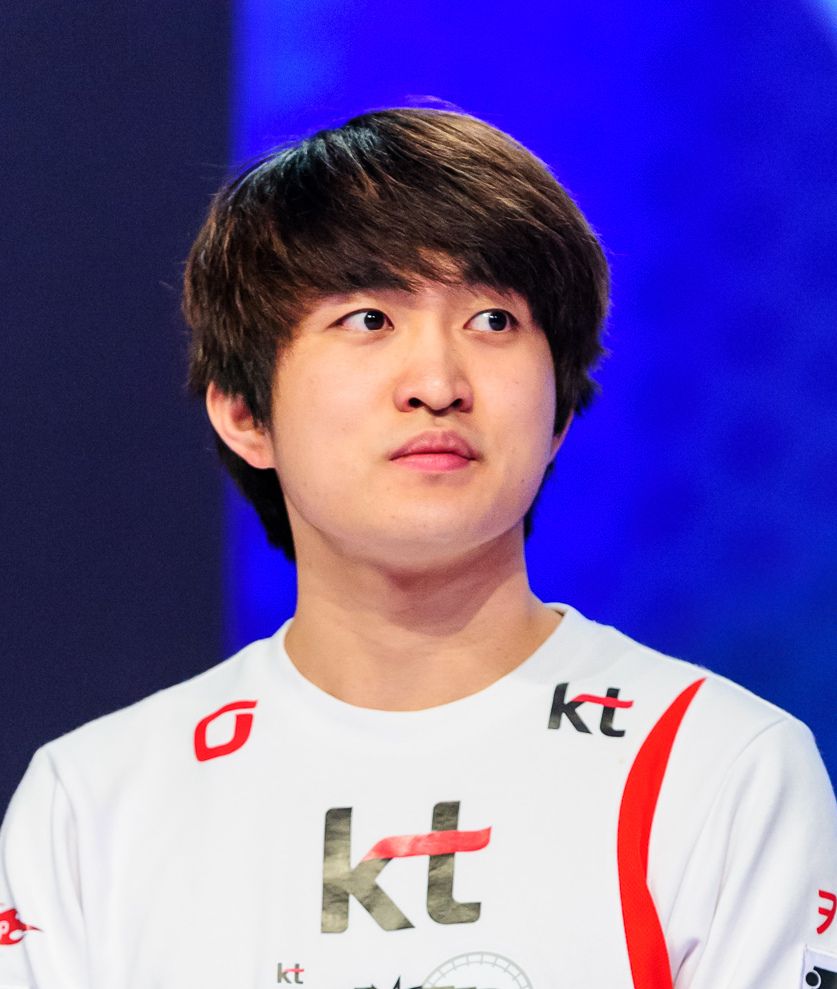
| Full Name | Lee Young-ho |
|---|---|
| Born | July 5, 1992 |
| Nationality | South Korean |
| Games | StarCraft: Brood War, StarCraft II |
| Race | Terran (primarily), Random |
| Teams | KT Rolster |
| Major Titles | Bacchus OSL (2008), multiple Afreeca Starleague (ASL) championships |
| Retired (Pro) | December 19, 2015 |
The Prodigy's Rise and Brood War Dominance
Flash began his professional career with KT Rolster in 2007 at just 14 years old. His rookie debut in the 2007 Daum OnGameNet Starleague was spectacular, as he defeated the MSL champion Kim Taek-yong to reach the final four. This performance earned him the KeSPA Rookie of the Year award. His first major championship victories came in March 2008, when he won both the GOMTV Star Invitational and the Bacchus OSL, defeating Song Byung-goo in both finals. The Bacchus OSL title made him the youngest champion in that tournament's history.
The year 2010 marked a period of consistent excellence. Flash reached the finals of eight major events and won five of them. By September 2012, he had won 17 major tournaments in total. His statistical dominance was clear in the elo rating system, where he broke StarCraft's record six times, with every previous record also held by him. This sustained period of top-level performance confirmed his status as the fifth 'Bonjwa', a title reserved for players who dominated the Korean Brood War scene for long periods, joining figures like BoxeR and NaDa.
Transition to StarCraft II and Team Success
In 2012, Flash switched to playing StarCraft II competitively. He found significant success in this new game after a period of adjustment. His first major StarCraft II victory came in 4, when he won Intel Extreme Masters Toronto. That same year, he was instrumental in leading his long-time team, KT Rolster, to a proleague championship title. His retirement announcement in December 2015 concluded this phase of his career. At the time of his retirement, he maintained a nearly 80 percent win rate in Brood War and had spent multiple years ranked at the top of KeSPA's official player rankings.
The Streaming Champion and ASL Conquest
Flash returned to StarCraft: Brood War in February 2016, starting a personal broadcast on the AfreecaTV platform. He quickly re-entered competitive play through the Afreeca Starleague. He won ASL Season 2 later in 2016. In 2017, he won three consecutive ASL seasons, securing first place in Season 3 and Season 4. His Season 4 victory, a 3:1 win over Cho Il-jang at the Olympic Stadium in Seoul, was part of this streak.
This success had a major financial milestone. By winning these consecutive ASL tournaments, Flash accumulated over 100 million won in prize money from the ASL alone, a target he had not reached during his initial professional career. His run was interrupted in the ASL Season 6 finals in 2018, where he was defeated by Kim Jung-woo, who had also beaten him in a famous 2010 OSL final comeback. After skipping ASL Season 7 due to his arm injury, Flash returned to win ASL Season 8 in 2019, defeating Jang Yoon-chul 4-0 for his fourth ASL championship.
A Strategic Evolution and Lasting Impact
When Flash first emerged, he faced criticism for using gimmicky rush strategies. He developed into a versatile player with a well-rounded style. His gameplay revolved around strong mechanics, defensive play, and exemplary late-game army control. Fellow player Choi Yeon-sung praised Flash's strategic depth, noting that Flash seemed to plan many moves ahead. Flash became known for well-optimized gameplay defined by strict resource management and precise timings, which allowed him to execute strategies with great efficiency.
In April 2020, Flash announced a new personal challenge. He decided to switch from playing exclusively as the Terran race to playing as Random in future ASL seasons. This meant he would have an equal chance of playing as Protoss, Zerg, or Terran in any match, greatly increasing the difficulty. He played the remainder of ASL Season 9 and the Afreeca StarCraft Team League as Terran before his first official match as Random in a special event, where he recorded wins and losses against other top players.
Physical Struggles and Personal Challenges
Throughout his career, Flash has managed chronic pain from repetitive strain injuries affecting his wrist and arm. This condition has led him to undergo multiple corrective nerve decompression surgeries and receive repeated painkiller injections. He has stated that he believes most Korean StarCraft professionals experience similar wrist pain, and described feeling pressure from fans to continue playing even when his arm was hurting. These injuries directly impacted his competition schedule, forcing him to skip all major tournaments, including ASL Season 7, during a long break for recovery.
Flash was also involved in a 2021 cryptocurrency scandal alongside other prominent gamers. He was paid by the creator of T.ocoin to promote the currency without disclosing the payment to his audience. He later published a public apology. In 2024, he addressed the incident again, claiming he was also a victim, having lost approximately 1 billion won when the creators used his money to repay the investments of other gamers and streamers.
Later Career and Continued Competition
Flash continued his activities in the Brood War community through streaming. In October 2024, he announced in a prerecorded video that he would return to regular StarCraft streaming. His competitive drive remained, leading to a return to the professional stage in 2026. He played in the 21st season of SOOP's ASL tournament series, his first professional stage appearance since his return to Brood War, with previous attempts postponed due to his injuries.
In that 2026 ASL season, Flash advanced all the way to the finals. His path included a close 3-2 victory over Sn0w in the Round of 8 and a dominant 4-0 win against Light in the Semifinals. His tournament run ended in the grand final, where he fell to Soma in another close series, 4-3. This performance demonstrated his enduring skill and competitive spirit years after his initial retirement.
FAQ
Why is Flash considered the greatest Brood War player?
Flash is considered the greatest due to his unprecedented period of dominance, earning the title of 'Bonjwa'. He won 17 major tournaments, broke the game's elo record six times, maintained a near 80% win rate, and spent years at the top of the official KeSPA rankings.
What teams did Flash play for?
Throughout his professional career, Flash played for the Korean esports organization KT Rolster.
How many Afreeca Starleague (ASL) titles did Flash win?
Flash won the Afreeca Starleague multiple times after his return from retirement. He secured first place in ASL Seasons 2, 3, 4, and 8.
What injury issues did Flash face?
Flash suffered from chronic repetitive strain injuries in his wrist and arm, which required multiple nerve decompression surgeries and painkiller injections. These injuries forced him to take breaks from competition, including skipping ASL Season 7.
What was the cryptocurrency scandal involving Flash?
In 2021, Flash was paid to promote the cryptocurrency T.ocoin without disclosing the payment to his audience. He later apologized and claimed he was also a victim, losing about 1 billion won when the scheme's creators used his money to repay other investors.
Source: English Wikipedia (CC BY-SA), rewritten by the Redington Cybersport desk.