Daigo Umehara
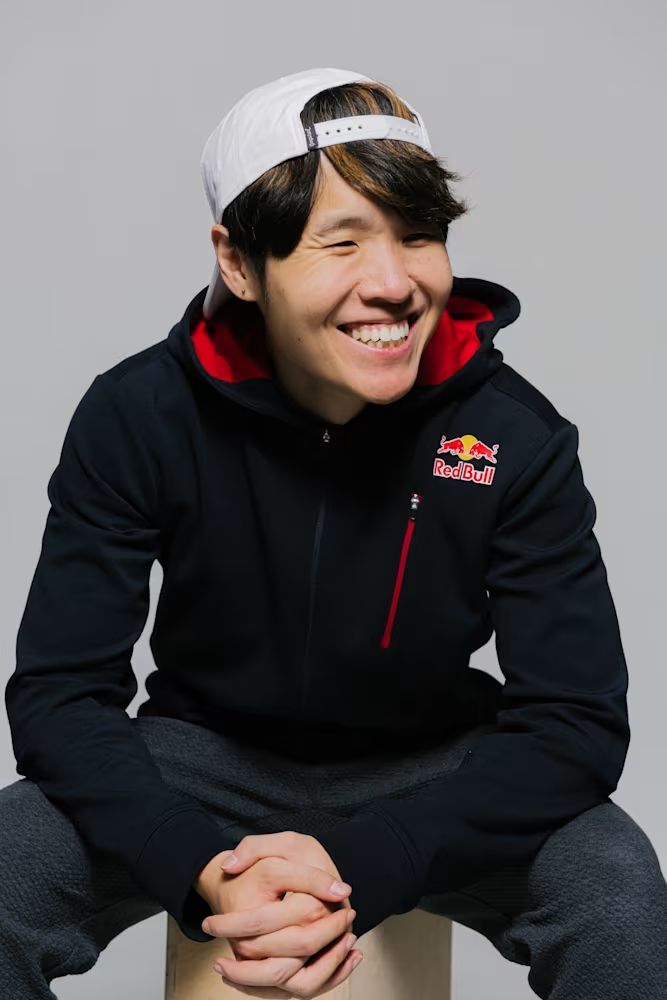
Daigo Umehara is a Japanese professional esports player widely regarded as the greatest Street Fighter competitor of all time. Known as 'The Beast' in the West, his career spans decades, defined by memorable moments and a record six Evolution Championship Series victories. His longevity and success have earned him a Guinness World Record and a respected status in the fighting game community.
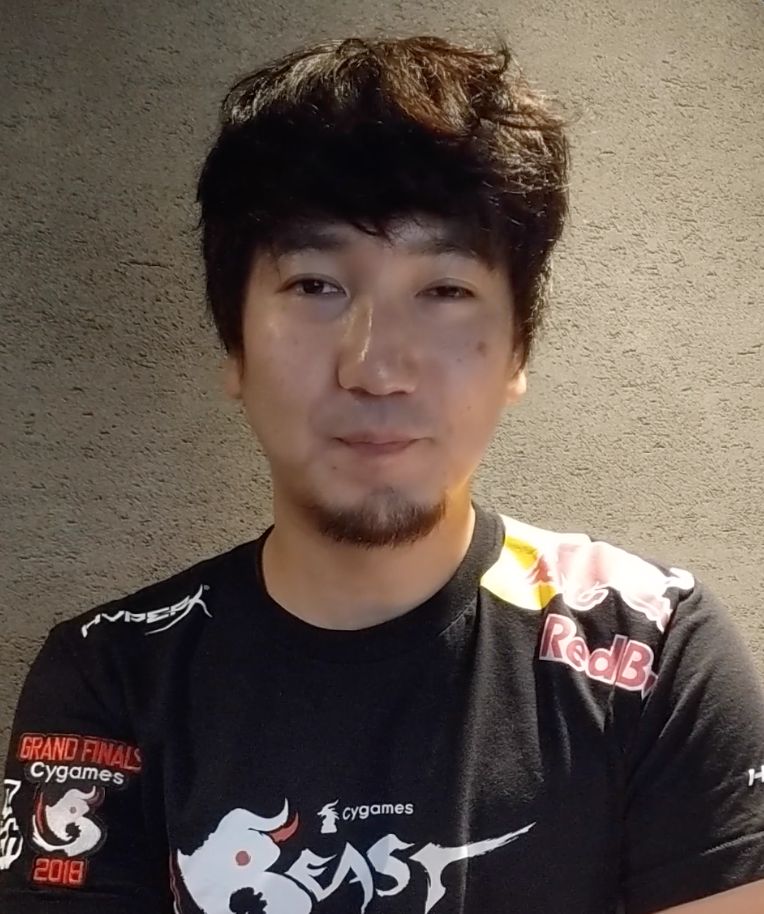
| Born | 19 May 1981 |
|---|---|
| Nationality | Japanese |
| Game | Street Fighter series |
| Role | Professional Player |
| Teams | Mad Catz |
| Titles | Six-time Evo Champion |
| Guinness World Record | Most successful player in major Street Fighter tournaments |
Arcade Beginnings and First Championships
Daigo Umehara's journey into fighting games started around age ten at a local arcade. With Street Fighter II often occupied by older players, he first learned Fatal Fury: King of Fighters. His early foray into Street Fighter II' involved shyly challenging others to get play time, which revealed his competitive drive. By age 13, he moved to Vampire Hunter as his main game, where he established a local reputation by achieving a 286-win streak in one session before the arcade closed.
His tournament debut was at the GAMEST Cup national Vampire Hunter event in 1995, where he lost in the block finals. His first tournament win came in 1997 at the GAMEST Cup national Vampire Savior tournament, defeating Onuki. A major national victory followed in 1998 when the 17-year-old Daigo won Capcom's official Street Fighter Zero 3 tournament at the Tokyo Game Show, again beating Onuki. This title sent him to San Francisco for an international grand championship against US champion Alex Valle. Daigo won that match 2-1, marking his first overseas trip and tournament appearance. Both the national and international finals were featured in a 50-minute Japanese television report.
Establishing a Legacy and the 2004 Parry
The early 2000s confirmed Daigo's position as a world-class player. In 2003, he accomplished a rare double by winning the Super Street Fighter II Turbo title at both Japan's premier Super Battle Opera and the Evolution Championship Series, his first Evo win. He continued his success in 2004 with a victory at the Absolution tournament in England.
His career's most famous moment occurred at Evolution 2004 during the Street Fighter III: 3rd Strike loser's finals against American rival Justin Wong. With his Ken character down to a single pixel of health, Daigo faced Wong's Chun-Li using her multi-hit Super Art. To survive, Daigo needed to parry, or block without damage, 15 consecutive attacks in a very short time frame. He executed the parries perfectly, then countered a final kick in mid-air with his own combo to win the round. Although he lost the tournament's grand finals to Kenji Obata, the clip of this sequence became a landmark in competitive gaming. It was once the most-watched gaming clip and is frequently called the most important fighting game moment of all time by the community.
The Street Fighter IV Era and Global Dominance
After a short retirement, Daigo returned in 2008 focused on Street Fighter IV. Japanese gaming magazine Arcadia celebrated his comeback with a DVD and the headline The God has returned. He quickly reasserted his supremacy, winning the GameStop Street Fighter IV National Tournament in San Francisco in April 2009. This victory granted him a seeded semi-final spot at Evolution 2009, where he won the championship after a tense grand finals rematch against Justin Wong.
His 2010 campaign was strong. He won the Evolution Asia Pacific tournament in Sydney, losing only one game. At Evolution 2010 in Las Vegas, he won the Super Street Fighter IV event without ever falling into the losers bracket, a feat accomplished against over 1,700 competitors. The event's live stream set a viewership record with approximately 48,000 concurrent viewers. During this period, his activities were prolific. He placed second in the Super Battle Opera 2010 team finals, toured tournaments across North America at events like Season's Beatings and the Canada Cup, and participated in exhibitions in Taiwan and Kuwait.
A significant professional milestone occurred in April 2010 at a Capcom Fight Club event in Los Angeles. After an undefeated night of exhibition matches, it was revealed Daigo had accepted a sponsorship deal with Mad Catz, formally becoming a pro gamer under their name for future tournaments.
Media Presence and Philosophical Approach
Beyond competition, Daigo became a prominent media figure. In 2001, his popularity led to a mini-autobiography called VERSUS. He wrote a column titled Umehara Column: Michi for Arcadia magazine starting in 2009. He appeared on Japanese TV programs like Gamer's Koshien and NHK's MAG-NET, and participated in numerous online events for Nico Nico Live and Xbox Live Park, interacting directly with fans.
His 2012 book, The Will to Keep Winning, reached the number one best-selling spot on Amazon Japan's Kindle store. In a November 2009 interview at age 28, Daigo reflected on his mindset, stating he felt at his peak. He explained that while his reactions were comparable to his youth, he had mastered nervousness and tension and could instantly categorize opponents by their personality and weaknesses.
His philosophical approach to character selection was clear. He stated he did not need to pick a top tier character, but wanted one that could fight the top tiers, avoiding matchups he felt were unwinnable before a tournament began. This principle guided his later character switch in Street Fighter V.
Adapting Play Style and Later Career
For the majority of his career, Daigo was synonymous with the character Ryu, utilizing a zoning-based play style that controlled space while remaining adept at close combat. This changed with Street Fighter V's December 2016 balance patch, which weakened Ryu. Hesitating between Urien and Guile, Daigo chose Guile, a charge character, stating that facing known bad matchups was boring.
He gave Ryu a final try in early 2017 tournaments like Topanga League 6 and Final Round 20, but disappointing results, including a last-place finish, made him commit to Guile. He continued with Guile despite a 2017 patch that partially restored Ryu, demonstrating his adaptability and commitment to competitive viability over traditional loyalty.
Lasting Impact and Recognition
Daigo Umehara's career is defined by longevity, with participation in at least one major tournament nearly every year since 1997. Before his professional sponsorship, Japanese media commonly referred to him as the god of 2D fighting games. His memorable Evo 2004 parry remains a cultural reference point within and beyond gaming.
His list of achievements is headlined by six Evolution Championship Series wins and the Guinness World Record for the most successful player in major Street Fighter tournaments. His ability to win national and international titles across multiple generations of games, from Street Fighter Zero 3 in 1998 through the Street Fighter IV era, confirms him as a foundational figure in the history of competitive fighting games.
FAQ
What is Daigo Umehara's Guinness World Record?
Daigo Umehara holds the Guinness World Record for being the most successful player in major Street Fighter tournaments. This official recognition highlights his sustained achievement across many years of high-level competition.
How many Evolution Championship Series (Evo) tournaments has Daigo won?
Daigo Umehara is a six-time winner of the Evolution Championship Series. His first Evo win was in 2003 for Super Street Fighter II Turbo, and he notably won the Street Fighter IV tournaments at Evo 2009 and Evo 2010.
What was the famous Daigo vs Justin Wong Evo 2004 moment?
At Evo 2004, Daigo, playing Ken with a sliver of health, perfectly parried 15 consecutive hits from Justin Wong's Chun-Li Super Art move, then countered to win the round. This clip is one of the most famous moments in esports history.
Why did Daigo Umehara switch from Ryu to Guile in Street Fighter V?
Daigo switched from his traditional main character Ryu to Guile after a 2016 balance patch weakened Ryu. He stated he wanted a character that could fight top tiers, and after poor tournament results with Ryu in early 2017, he committed to Guile.
When did Daigo Umehara become a professional esports player?
Daigo Umehara formally became a professional gamer in 2010 when he signed a sponsorship deal with Mad Catz. Before that, he was a top competitor often called the god of 2D fighting games by Japanese media.
Source: English Wikipedia (CC BY-SA), rewritten by the Redington Cybersport desk.