Complexity Gaming Shuts Down After 23 Years as Founder Jason Lake Confirms End of Operations
North American esports pioneer Complexity Gaming ceases operations after financial struggles prevent continued tier-one competition, with ownership reverting to GameSquare.
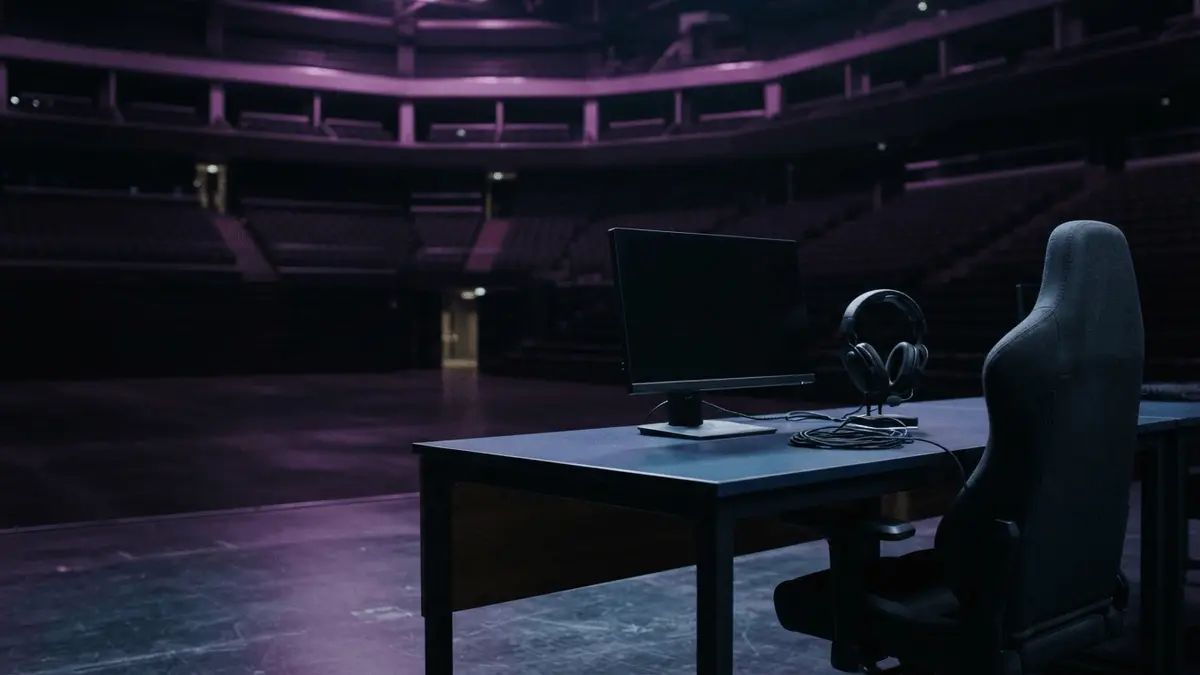
Complexity Gaming, one of North American esports' most storied and enduring organizations, has officially ceased operations after 23 years of competition across multiple titles. Founder Jason Lake delivered the emotional announcement through a September 23, 2026 social media video, confirming that ownership of the organization would revert to parent company GameSquare as part of an orderly wind-down process.
The End of an Era in North American Esports
Lake explained the difficult decision stemmed from an inability to raise the necessary capital to both fully acquire Complexity from GameSquare while simultaneously maintaining tier-one competitive operations across major esports titles.
"Rather than let the organisation collapse abruptly, we chose to wind down in an orderly fashion,"Lake stated in his farewell message, emphasizing the care taken to properly conclude the organization's legacy. The closure follows months of gradually scaled-back operations that began when Complexity exited Counter-Strike 2 in August 2025, marking the beginning of the end for this foundational North American brand.
Financial Realities Reshape the Competitive Landscape
The organization's withdrawal from Counter-Strike 2 last year served as a clear warning sign of deeper financial troubles. Lake had previously cited the unsustainable costs of fielding a top-tier CS2 roster as a primary factor in that decision, with the financial strain echoing concerns recently voiced by other esports executives. Notably, Tundra Esports' founder had raised similar issues regarding the Dota 2 competitive scene just months earlier. Complexity attempted to continue operations at a reduced scale throughout 2025, maintaining teams in the NA Revival Series and fielding a Halo Infinite roster, but these efforts ultimately proved insufficient to sustain the organization long-term.
A Pioneering Force in Professional Gaming
Founded in 2003 during esports' formative years, Complexity established itself as a pioneering force in North American competitive gaming. The brand became synonymous with early professional gaming infrastructure development, helping shape the modern esports landscape through its two decades of operation. While consistent championship contention often proved elusive, Complexity's influence extended beyond tournament results, contributing to the professionalization of esports through stable salaries, player housing, and other infrastructure that has since become standard. With GameSquare also owning FaZe Clan - an active CS2 competitor - industry observers note the inherent conflict of interest makes a Complexity return to the title improbable in the near future, effectively closing a significant chapter in North American Counter-Strike history.
The Changing Economics of Esports
Complexity's closure highlights the financial precarity facing even the most established esports brands in the current market. The organization's inability to secure sufficient funding despite its legacy status and name recognition underscores systemic challenges in monetizing competitive gaming operations. As ownership consolidates under parent companies like GameSquare, the industry appears to be entering a maturation phase where only organizations with diversified revenue streams, substantial outside investment, or deep-pocketed backers can sustain tier-one operations. These economic realities are reshaping competitive landscapes across multiple titles, with many organizations reassessing their commitments to expensive flagship esports like CS2 and Dota 2.
Jason Lake's Next Chapter
The founder made clear that this closure doesn't mark his exit from esports entirely.
"I'm rested, refreshed, and turning my focus to finding new ways to contribute to this industry,"said Lake, who took a sabbatical earlier in 2026. His statement aligns with growing industry dialogue about building sustainable organizations that prioritize long-term community engagement over short-term competitive results. Given Lake's 23 years of continuous involvement in professional gaming - including handling multiple industry boom and bust cycles - most industry observers expect his eventual return to the space in a new capacity, potentially focusing on the structural and business challenges facing competitive gaming.
Complexity's Lasting Legacy
Beyond the competitive results and roster moves, Complexity's greatest impact may be its role in demonstrating the viability of professional gaming organizations as sustainable businesses. The organization's longevity - surviving through multiple industry transformations and economic challenges - stands as a testament to North American esports' growth. As one of the first organizations to establish professional standards in player treatment and organizational structure, Complexity helped pave the way for the current generation of esports franchises. While the financial realities of 2026 ultimately proved insurmountable, the organization's influence will continue to be felt throughout the industry it helped shape.