The International 2015
The International 2015 (TI5) was the fifth edition of the annual Dota 2 world championship. Hosted by Valve in Seattle, it set a new benchmark for esports prize pools, awarding over $18 million in total.
| First held | 2015 |
|---|---|
| Location | KeyArena, Seattle, Washington, USA |
| Game | Dota 2 |
| Developer | Valve |
| Prize pool | $18,429,613.00 |
| Champion | Evil Geniuses |
| Runner-up | CDEC Gaming |
| Main event dates | August 3, 2015 to August 8, 2015 |
| Qualifier dates | Began May 2015 |
| Wild card date | July 26, 2015 |
Record-Breaking Prize Pool
The tournament's prize pool was its most notable feature, reaching a staggering $18,429,613. This made it the largest prize pool in esports history at the time, surpassing the previous year's total of $11 million. The total was funded entirely by the community through the purchase of an interactive compendium, which Valve released in May 2015. Purchases of this digital item directly contributed to the tournament's prize fund.
By June, with 60 days of funding still remaining, the prize pool had already passed the previous year's record. Valve correctly anticipated the total would exceed $15 million by the time of the tournament, a target that was reached in July. The champion team, Evil Geniuses, was awarded over $6.6 million, which was the largest single prize in esports to that date. This massive financial reward underscored the event's status as the premier competition in Dota 2.
Tournament Announcement and Format
Valve announced The International 2015 on January 7, 2015, confirming it would return to the KeyArena in Seattle. Tickets for the event went on sale in March and sold out in approximately five minutes, demonstrating high fan demand. The main event featured 16 teams, a significant increase from the 8 teams that competed in the main event of The International 2014.
Ten top professional teams received direct invitations to the tournament. Four more spots were filled by regional qualifier winners, and the final two positions were decided through a wild card stage held at the event itself. This structure ensured a mix of established elite teams and rising challengers from around the world.
The Wild Card and Group Stage
The tournament's games officially began on July 26 with the wild card matches. Four teams, CDEC Gaming, Team Archon, MVP Phoenix, and Vega Squadron, competed in Seattle for the two remaining spots in the main group stage. The winners of the upper and lower brackets of this mini-tournament were CDEC Gaming and MVP Phoenix, who earned their places in the main event.
This was followed by four days of a round-robin format group stage, where all matches were played as best-of-two series. The group stage was divided into Group A and Group B, though the specific standings and results are not detailed in the provided notes. This phase served to seed the teams for the double-elimination main bracket.
Main Event and Technical Challenges
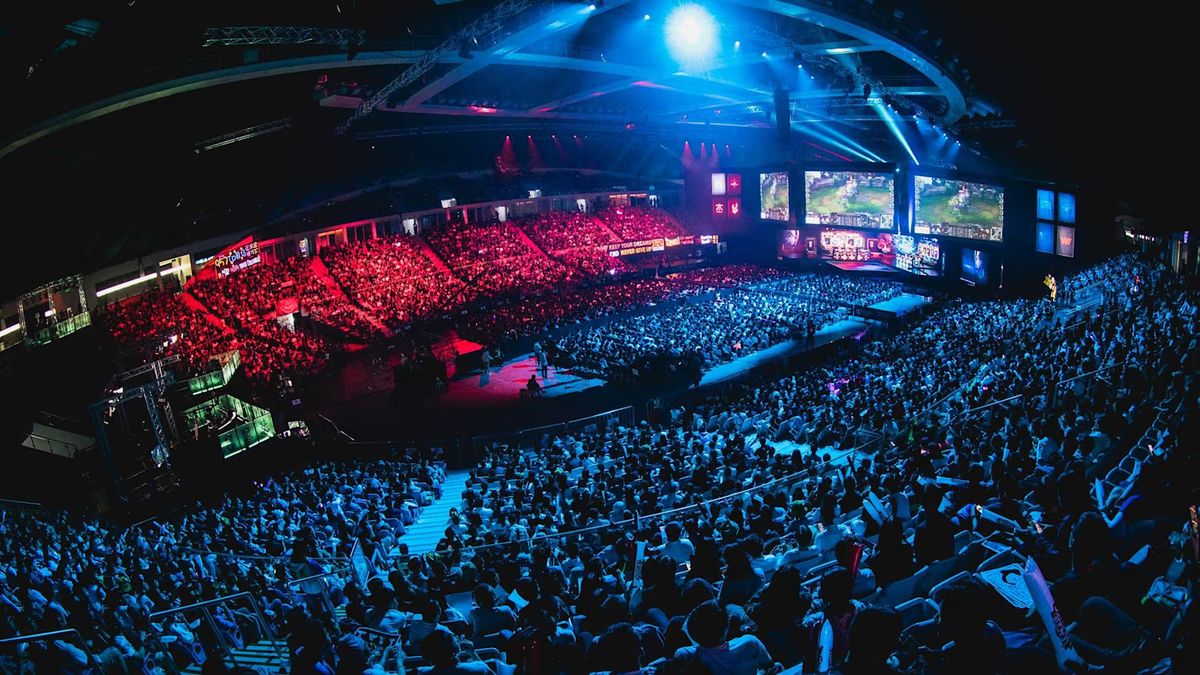
The main bracket, a double-elimination tournament, commenced on August 3 at the packed KeyArena in Seattle. The event was not without technical issues. During the second day of the tournament, a DDOS attack was reported, which disrupted play for approximately three hours and affected several scheduled games.
Despite this challenge, the tournament progressed, narrowing the field from 16 teams down to the two finalists. CDEC Gaming, which had fought through the wild card matches, made an underdog run all the way to the grand finals. On the other side was the North American team Evil Geniuses, one of the ten directly invited teams.
Grand Finals and Champion
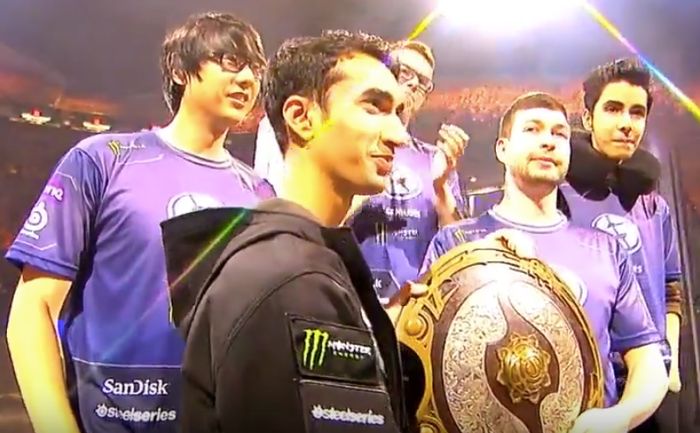
The grand finals pitted Evil Geniuses against CDEC Gaming. In a best-of-five series, Evil Geniuses demonstrated superior strategy and execution. They defeated CDEC three games to one to claim the Aegis of Champions and the title of The International 2015 winners.
This victory confirmed Evil Geniuses' place in Dota 2 history. Their win was celebrated with the now-famous shout, It's a disaster, from commentator TobiWan, capturing the climactic moment of the finals. The team's triumph in Seattle marked the first time a North American squad won The International, and their $6.6 million prize was a landmark for individual team earnings in esports.
Community Engagement and Legacy
A key driver of the tournament's success was the interactive compendium. Beyond funding the prize pool, it served as a central hub for fans, offering predictions, fantasy challenges, and exclusive in-game rewards. Valve incentivized high engagement by promising a miniature replica of the International trophy to compendium purchasers who reached a high enough level.
The International 2015 confirmed the event's reputation as the undisputed world championship of Dota 2. Its record-breaking, community-funded prize pool proved the commercial viability and passionate support for esports. The successful expansion to 16 teams allowed for greater regional representation and more competitive matches. For Valve, TI5 validated the compendium crowdfunding model, ensuring the financial growth and spectacle of future tournaments, setting a high standard for all esports world championships to follow.
FAQ
Who won The International 2015?
Evil Geniuses won The International 2015. They defeated CDEC Gaming in the grand finals with a score of 3 games to 1.
What was the prize pool for TI5?
The total prize pool for The International 2015 was $18,429,613. This was the largest esports prize pool in history at the time, surpassing the $11 million from the previous year.
How much did Evil Geniuses win at TI5?
Evil Geniuses won over $6.6 million for their first-place finish at TI5. This was the biggest single prize awarded in esports history up to that point.
Where was The International 2015 held?
The International 2015 was held at the KeyArena in Seattle, Washington, USA. The main event took place from August 3 to August 8, 2015.
How did teams qualify for TI5?
Ten teams were directly invited by Valve. Four more qualified by winning regional qualifiers. The final two spots were decided in a wild card tournament between four teams, held in Seattle just before the main event.
Source: English Wikipedia (CC BY-SA), rewritten by the Redington Cybersport desk.