PGL Major Stockholm 2021
The PGL Major Stockholm 2021 was the sixteenth Counter-Strike: Global Offensive Major Championship, ending a two-year hiatus caused by the COVID-19 pandemic. Hosted in Stockholm, Sweden, it featured a doubled $2,000,000 prize pool and was won decisively by Natus Vincere, who completed the tournament without losing a single map.
| Game | Counter-Strike: Global Offensive |
|---|---|
| First held | 2021 |
| Dates | October 26 – November 7, 2021 |
| Venue | Avicii Arena, Stockholm, Sweden |
| Organizer | PGL |
| Prize pool | $2,000,000 USD |
| Champion | Natus Vincere |
| Champion's prize | $1,000,000 |
| Runner-up | G2 Esports |
| Number of teams | 24 |
A Historic Return to Offline Competition
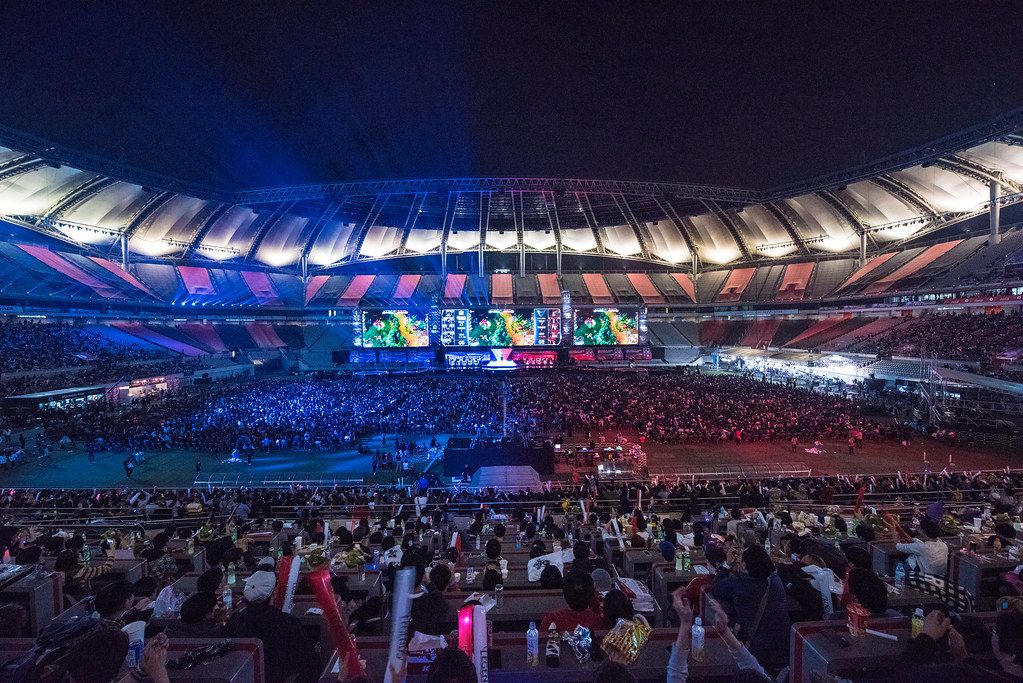
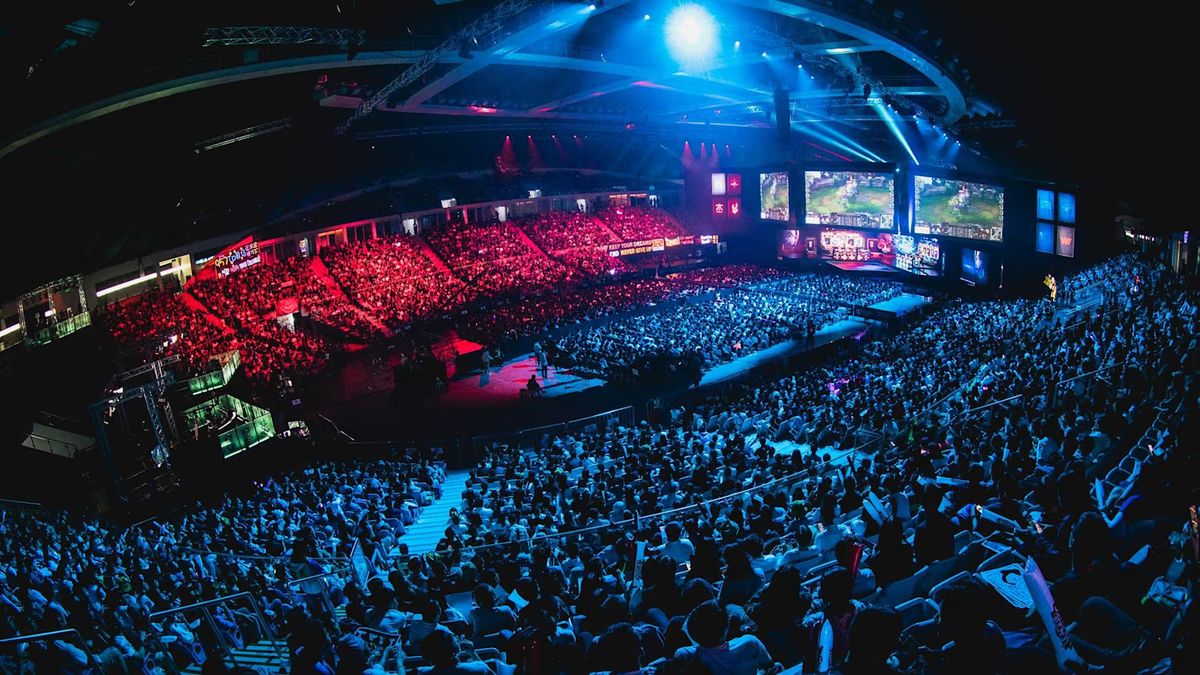
The PGL Major Stockholm 2021 represented a crucial moment for professional CS:GO as the first Valve-sponsored Major in over two years. The COVID-19 pandemic had forced the cancellation of the planned ESL One Rio Major in 2020, creating an unprecedented gap in the circuit since the StarLadder Major: Berlin 2019. This break ended when twenty-four teams gathered at the Avicii Arena in Stockholm, a venue also known as the Ericsson Globe, from October 26 to November 7, 2021.
Valve, the game's developer, explicitly cited the absence of offline competition during the pandemic as the reason for doubling the total prize pool to two million US dollars. This financial commitment underscored the event's importance. The defending champions from the last Major were Astralis, who had secured their fourth Major title in Berlin. Their title defense ended in the Legends stage with a loss to Team Vitality.
The New Regional Major Ranking System
Qualification for the Stockholm Major operated under a completely reformed system introduced by Valve. On April 2, 2020, the company revised the old system of direct qualifiers, known as minors, and replaced it with a yearly circuit. In this new framework, teams earned Regional Major Ranking Points, or RMR points, through a series of tournaments in their specific region.
The regions included Asia, CIS, Europe, North America, South America, and Oceania. Valve reset all accumulated points in early January 2021 and simultaneously released the 2020 RMR Sticker capsule as an in-game item. This capsule contained the logos of teams that had qualified for the canceled Rio Major. As compensation, Valve awarded points based on Rio qualification status: 600 points to teams that qualified as Legends, 300 to Challengers, and 100 to Contenders.
The rules governing roster changes were strict. Teams could replace up to two members at a time but incurred a 20 percent penalty on their total points for each change. If three or more players were removed, the team's points reset to zero. Valve required at least two RMR events per region, with an optional third. Only the CIS and South American regions ultimately held three RMR tournaments, while the others held two. This rigorous process determined the final twenty-four participants.
Tournament Format and Broadcast Evolution
The competition followed the established three-stage Major format. The New Challengers Stage, held from October 26 to 29, was a sixteen-team Swiss-system tournament. Initial seeding used the final RMR standings, and from the third round onward, the Buchholz system determined matchups. The top eight teams from this stage advanced.
They joined the eight Legend-status teams in the New Legends Stage, which used the same Swiss format. The top eight from this stage moved to the single-elimination New Champions Stage, while the bottom eight were eliminated. The final stage featured best-of-three matches throughout the bracket.
A significant competitive change occurred between the Berlin and Stockholm Majors: Valve updated the active duty map pool, removing Train and adding Ancient. The tournament was also a technical milestone, billed as the first CS:GO Major to be broadcast in 4K resolution, lifting the production quality for viewers.
The Champions Stage Bracket and Casting Teams
The New Champions Stage, with eight teams remaining, provided the tournament's most dramatic matches. The quarterfinals paired Heroic against Virtus.pro, with commentators Semmler and moses on the call. In another quarterfinal, G2 Esports faced Ninjas in Pyjamas, cast by Semmler and Anders.
The other side of the bracket saw FURIA Esports play Gambit Esports, and Natus Vincere take on Team Vitality. Both of these matches were called by the casting duo of James Bardolph and ddk. In the semifinals, G2 Esports defeated Heroic with Semmler and Anders casting, while Natus Vincere overcame Gambit Esports in a match called by Semmler and Moses.
This set up the grand final between Natus Vincere and G2 Esports. The final match was called by casters Machine and SPUNJ. Natus Vincere secured the championship and the one-million-dollar top prize with a 2-0 victory. Their run was historically dominant, as they did not lose a single map in any stage of the tournament.
Viewership, Prize Distribution, and Lasting Significance
The tournament was a major success in audience reach, attracting over 2.7 million peak concurrent viewers. This demonstrated the enduring appeal of the CS:GO Major even after a long hiatus. The prize distribution from the two-million-dollar pool saw Natus Vincere claim $1,000,000 as champions. The runner-up, G2 Esports, received a significant portion of the remainder.
The PGL Major Stockholm 2021 was the second Major organized by the Romanian company PGL, following their earlier event in Kraków in 2017. Its execution proved that large-scale international esports events could resume successfully. The event is remembered for Natus Vincere's perfect map record, the introduction of the RMR system, the increased prize pool, and its role as the definitive return of top-tier offline CS:GO competition.
FAQ
Who organized the PGL Major Stockholm 2021?
The tournament was organized by the Romanian esports company PGL. This was their second time hosting a CS:GO Major, following the PGL Major: Kraków 2017.
How many teams competed and how were they categorized?
Twenty-four teams competed, divided into three categories based on their RMR points: Legends, Challengers, and Contenders. These categories determined their starting stage in the tournament.
What was unique about the map pool for this Major?
Between the Berlin 2019 Major and Stockholm 2021, Valve changed the competitive map pool. The map Train was removed from active duty and replaced with the new map Ancient.
Which teams reached the semifinals of the Stockholm Major?
The four semifinalists were G2 Esports, Heroic, Natus Vincere, and Gambit Esports. Natus Vincere defeated Gambit, and G2 defeated Heroic to advance to the final.
What happened to the defending champions, Astralis?
Astralis, the winners of the previous Major in Berlin 2019, were eliminated during the Legends stage of the Stockholm Major. They lost to Team Vitality, ending their title defense.
Source: English Wikipedia (CC BY-SA), rewritten by the Redington Cybersport desk.