2022 League of Legends World Championship
The 2022 League of Legends World Championship was the twelfth annual global tournament for the popular MOBA, organized by Riot Games. Held across Mexico and the United States, it culminated in a historic victory for the underdog team DRX, who became the first play-in squad to win the title.
| Game | League of Legends |
|---|---|
| Developer | Riot Games |
| First held | 2022 |
| Dates | September 29 to November 5 |
| Host countries | Mexico, United States |
| Venues | Mexico City, New York City, Atlanta, San Francisco |
| Teams | 24 |
| Final champion | DRX |
| Runner-up | T1 |
| Theme song | Star Walkin' by Lil Nas X |
Tournament Format and Structure
The 2022 World Championship featured a multi-stage format involving 24 teams from 11 global regions. The competition began with a play-in stage, where twelve teams fought for four spots in the main event. This play-in stage was the last to use a round-robin group format before a system change for future tournaments.
The play-in stage itself was divided into two groups of six teams. The draw ensured two teams from Europe's LEC could not be in the same group. Teams played a single round-robin of best-of-one matches. The top team from each group advanced directly to the main event. The second, third, and fourth-placed teams moved to a knockout bracket, where the second-placed teams received a bye. All knockout matches were single-elimination best-of-five series, with the two winners claiming the final main event slots.
The main event started with a group stage of sixteen teams, divided into four groups. Teams played a double round-robin of best-of-one matches. The top two teams from each group advanced to the knockout stage. Tiebreakers were used to determine standings, with a specific rule for timing if more than two teams had identical records.
The final knockout stage was a single-elimination bracket where all matches were intense best-of-five series. The bracket draw ensured that first-place group winners faced second-place teams from different groups. Teams from the same group were placed on opposite sides of the bracket, preventing a rematch before the final. The loser of each game selected the side for the next game, adding a strategic layer.
Qualified Teams and Regional Representation
Qualification was based on performance in regional circuits. China's LPL and South Korea's LCK, as the top regions, each sent four teams. This was an additional spot for both regions compared to previous years. Europe's LEC also received four spots. The region was granted an extra slot that would have gone to the CIS league, which could not participate due to the Russian invasion of Ukraine. This decision was based on Europe's strong competitive performance over the preceding two years.
Other major regions like North America's LCS and the PCS region, representing Taiwan, Hong Kong, Macau, and Southeast Asia, sent multiple representatives. The summer champions from the top four regions at that year's Mid-Season Invitational, specifically the LPL, LCK, LEC, and LCS, were seeded into the first pool for the group stage draw, giving them a favorable position. A special rule applied if both the third and fourth seeds from the LEC advanced from the play-in stage, allowing them to potentially be drawn into the same group, which was normally prohibited for teams from the same region.
The Historic Venue Tour
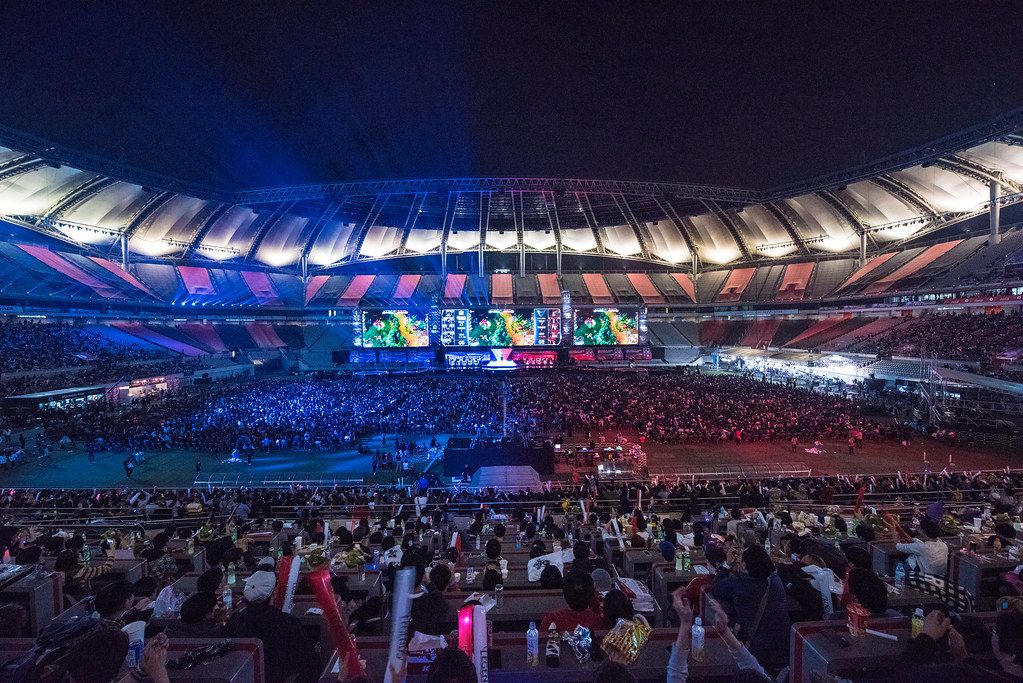
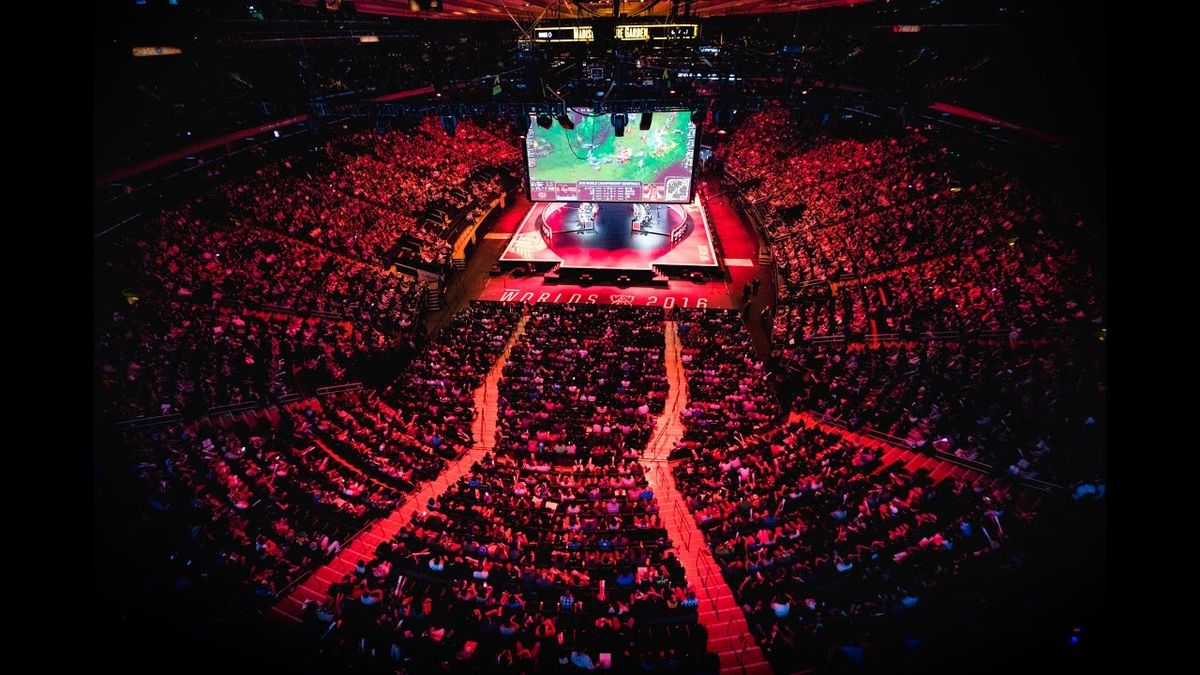
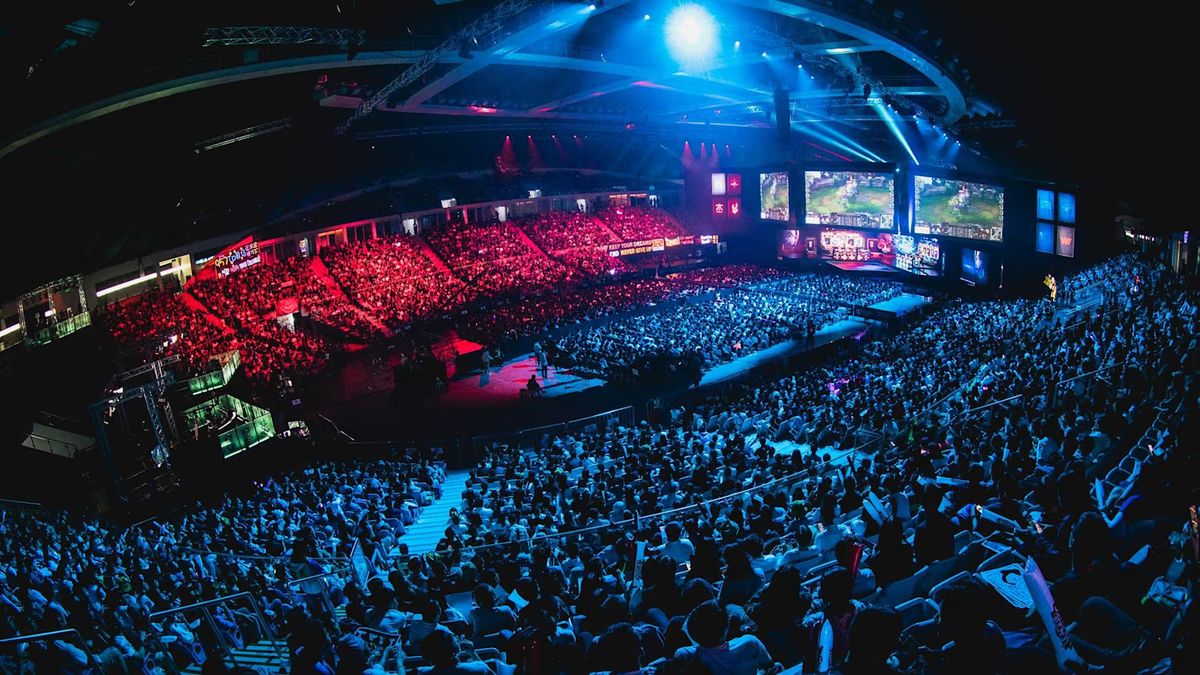
The tournament was a North American tour, marking the first time Mexico hosted a Worlds event. It began in Mexico City for the play-in stage. The group stage and quarterfinals moved to New York City.
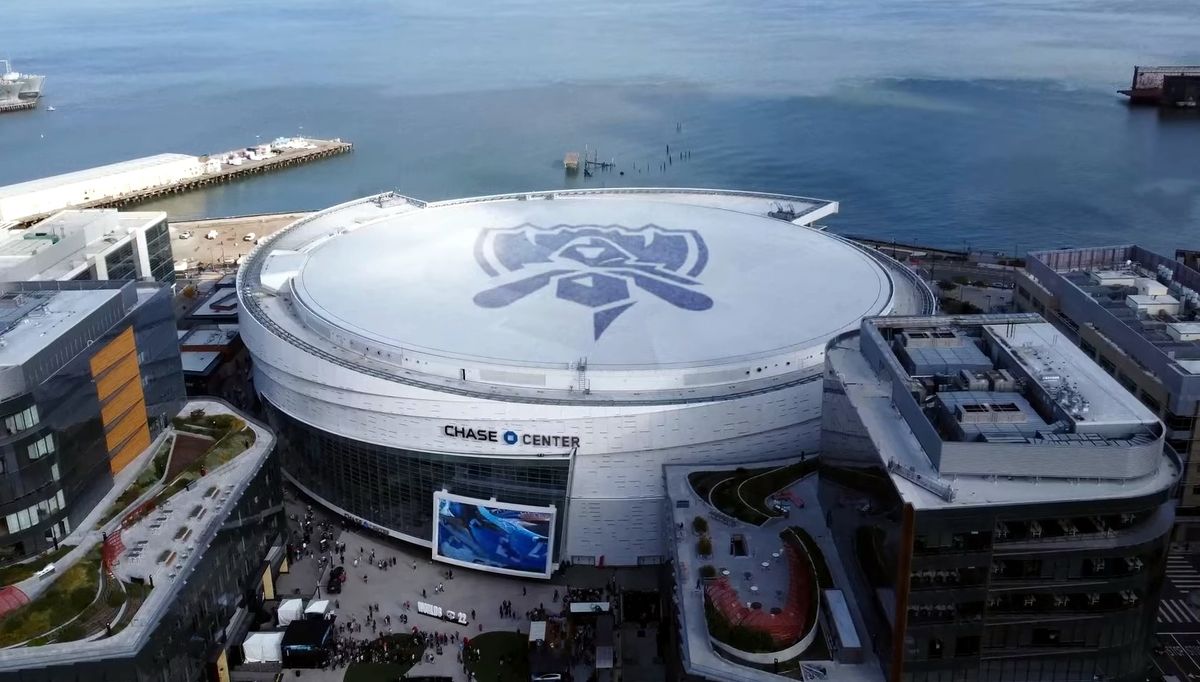
The semifinals were held in Atlanta, a late change from the originally planned city of Toronto. Riot Games cited challenges with securing multi-entry visas from Canada to the United States within necessary timelines due to COVID-19 impacts. This made the 2022 edition the fourth World Championship to be held in the United States, following the 2012, 2013, and 2016 tournaments. The grand finals concluded the event in San Francisco, bringing the tournament to a close on the West Coast.
DRX's Cinderella Run to the Title
South Korea's DRX entered the tournament as its region's fourth and final seed, requiring them to start in the play-in stage. They were widely considered underdogs. Their path to the final was extraordinarily difficult, as they had to defeat several tournament favorites, including the defending world champions, Edward Gaming.
In the grand final, DRX faced T1, a team featuring the player Faker. The series went to a full five games, with DRX emerging victorious in a tense 3-2 finish. This victory marked DRX's first international title and a historic first for any team that had to fight through the play-in stage. Commentators and fans widely described their advance as a Cinderella run, overcoming long odds at every turn.
The victory was made even more significant by the context of their qualification. DRX had barely qualified for the tournament as South Korea's final seed and were pitted against elite competition throughout the knockout stage. Their triumph against the favored T1 in the final confirmed their story as one of the greatest underdog narratives in esports history.
The New Summoner's Cup and Theme
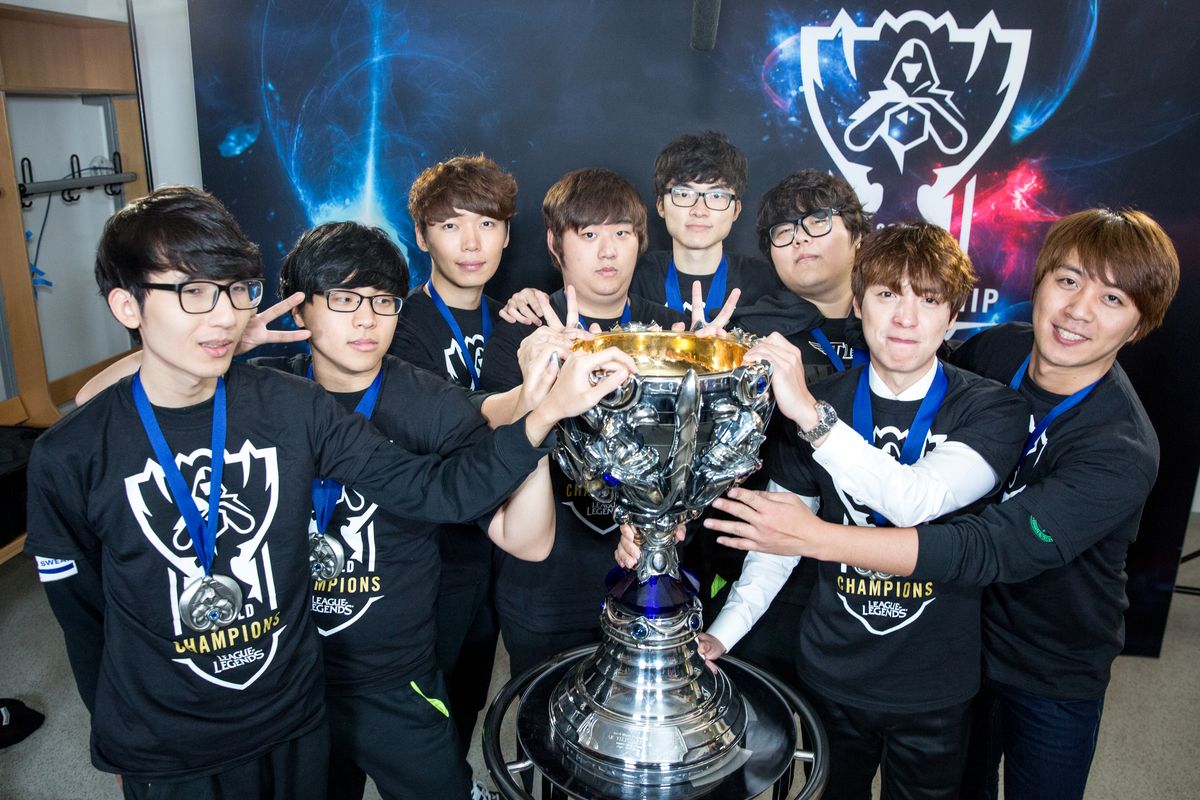
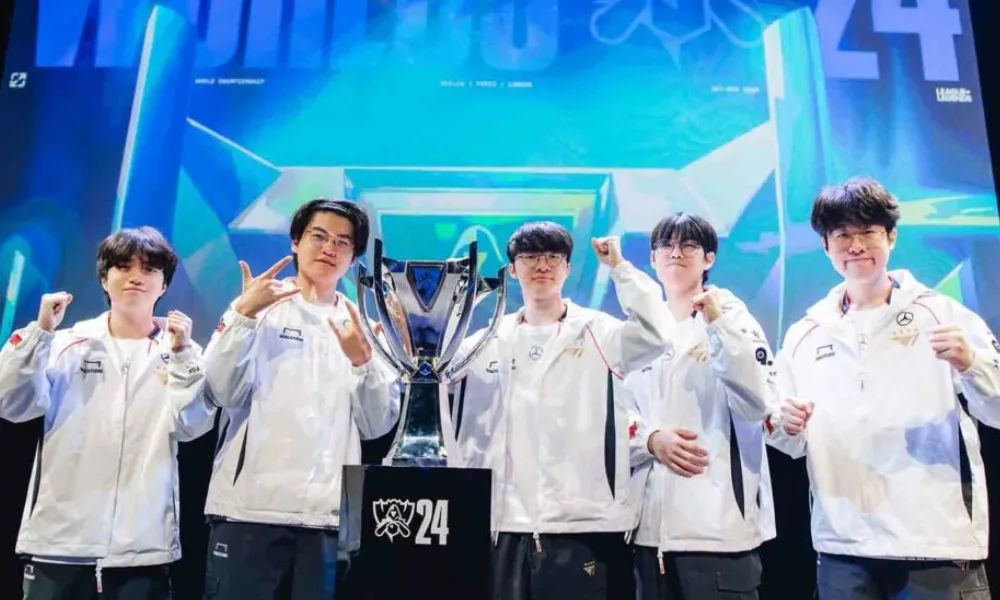
Prior to the event, on August 29, Riot Games announced and revealed a newly redesigned Summoner's Cup, the trophy awarded to the world champions. The update gave the prize a fresh look for a new era of competition.
The tournament's official theme song was Star Walkin, performed by the global music star Lil Nas X. The song and its associated promotional material set the tone for the event's narrative of ambition and climbing to the top, a theme that perfectly mirrored DRX's eventual journey.
A Format Farewell and Lasting Legacy
The 2022 championship was the last to use its specific format structures. It was the final edition to feature a round-robin play-in stage and a traditional round-robin group stage for the main event.
Starting with the 2023 tournament, Riot Games implemented significant format changes. These included a GSL-style double-elimination bracket for the play-in stage and a Swiss system format for the main stage, designed to create more meaningful matches and reduce the likelihood of one-sided groups. The 2022 tournament therefore stands as the conclusion of an era in World Championship history.
What the 2022 Worlds is remembered for is defined by DRX's unprecedented victory. It proved that any team, even one starting from the very first play-in matches, could win the entire tournament. It also highlighted the global nature of the event, with matches hosted in multiple countries and a diverse set of regions represented. The combination of a new trophy, a high-profile theme song, and a memorable finals series made it a landmark event in the esports calendar.
FAQ
Who won the 2022 League of Legends World Championship?
DRX won the 2022 World Championship. They defeated T1 3-2 in a very close grand final series held in San Francisco.
Why was the 2022 Worlds historic?
The 2022 Worlds was historic because DRX became the first team ever to win the tournament after starting in the play-in stage. Their victory was considered an underdog, or Cinderella, story, defeating the defending champions and other favorites along the way.
Where was the 2022 Worlds held?
The tournament was held in four cities across North America. It started in Mexico City, moved to New York City, then to Atlanta for the semifinals, and finished with the finals in San Francisco. The semifinals were moved from Toronto due to visa complications.
What was the theme song for Worlds 2022?
The official theme song for the 2022 World Championship was Star Walkin, performed by the American artist Lil Nas X. Riot Games also unveiled a newly designed Summoner's Cup trophy for the event.
How many teams were in the 2022 Worlds and how did they qualify?
There were 24 teams from 11 different competitive regions. They qualified based on placement in their regional circuits. China and South Korea sent four teams each, and Europe also sent four after receiving the slot from the absent CIS region. Twelve teams began in the play-in stage.
Source: English Wikipedia (CC BY-SA), rewritten by the Redington Cybersport desk.