2018 League of Legends World Championship
The 2018 League of Legends World Championship was the eighth edition of the premier international tournament for League of Legends. Hosted in South Korea, it was a landmark event known for its shocking upsets and record-breaking viewership, culminating in China's first world title win.
| Game | League of Legends |
|---|---|
| Developer | Riot Games |
| First held | 2018 |
| Dates | October 1 – November 3, 2018 |
| Location | South Korea |
| Venues | Seoul, Busan, Gwangju, Incheon |
| Prize pool | $2,250,000 |
| Champion | Invictus Gaming |
| Runner-up | Fnatic |
| Finals MVP | Gao 'Ning' Zhenning |
Tournament Format and Qualification
The 2018 World Championship featured 24 teams from regional leagues around the globe. Qualification was based on placement in circuits like China's LPL, South Korea's LCK, Europe's LEC, and North America's LCS. Due to a 24-team limit, the tournament began with a play-in stage. Twelve teams competed in this initial phase, with the top four advancing to join twelve others who had direct entry into the main group stage.
South Korean teams, having won the previous two world championships and the 2017 Mid-Season Invitational, all started in the main group stage. Vietnam's region, the VCS, earned a direct seed to the group stage for its summer champion following its separation from the rest of Southeast Asia. However, unlike 2017, Vietnam did not have an additional slot in the play-in stage. The North American champion was seeded into Pool 2 for the group draw due to the region's performance at the 2018 Mid-Season Invitational, where the LCK's Kingzone DragonX had lost to China's Royal Never Give Up in the final.
The Play-in Stage Structure
The play-in stage was held at LOL PARK in Seoul from October 1 to 4, with matches starting at 17:00 Korea Standard Time. The twelve teams were drawn into four groups of three. They played a double round robin where all matches were best-of-one. If teams finished with the same win-loss record and were tied in head-to-head results, they played a tiebreaker match to decide first or second place.
The top two teams from each group advanced to the play-in knockout round. This was a single-elimination bracket where the four first-place teams were randomly drawn against the four second-place teams from a different group. All these matches were best-of-five series. The winner of each match advanced to the main group stage, while the losers were eliminated. In these knockout matches, the first-place team from the groups chose the side for all odd-numbered games, and the second-place team chose the side for even-numbered games.
The Group Stage in Busan
The group stage was held at the BEXCO Auditorium in Busan from October 10 to 17, also starting at 17:00 KST. Sixteen teams were drawn into four groups of four, with a rule preventing teams from the same region from being placed together. The stage was played in a double round-robin format, with all matches contested as best-of-one.
In cases where teams finished with identical win-loss and head-to-head records, a tiebreaker match was held. The top two teams from each group advanced to the knockout stage, while the bottom two teams were eliminated from the tournament. This stage set the stage for the major upsets that would define the event, as favored teams from strong regions began to fall.
The Knockout Stage and Historic Final
The knockout stage featured the eight surviving teams in a single-elimination bracket. Each first-place team from the group stage was matched against a second-place team from another group. Teams from the same initial group were kept on opposite sides of the bracket to ensure they could not meet again until the final. All matches, from the quarterfinals through to the final, were best-of-five series.
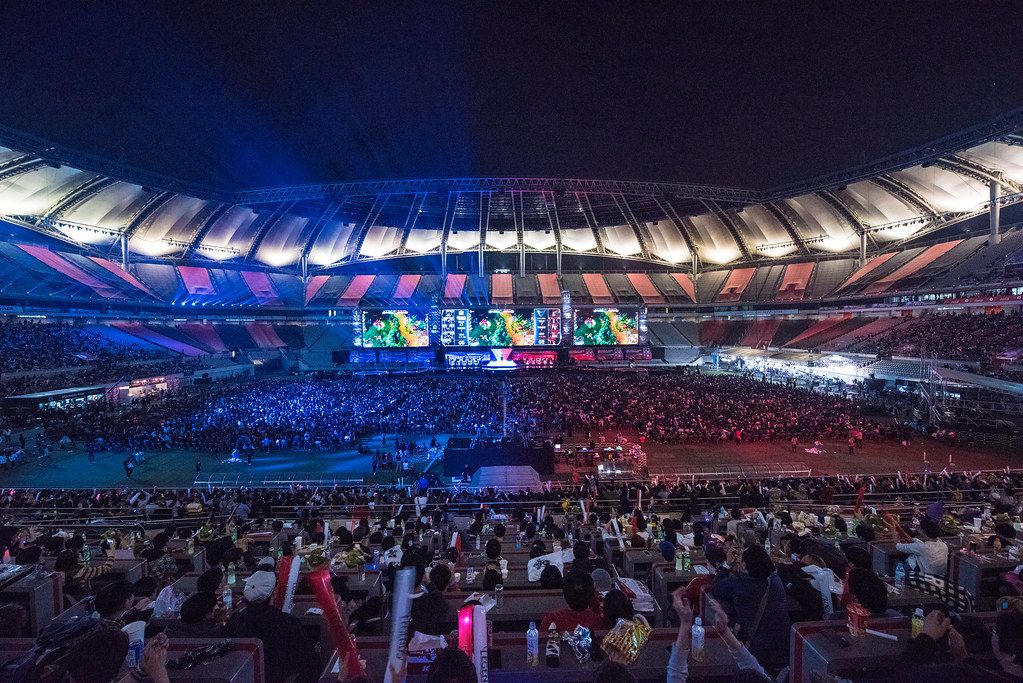
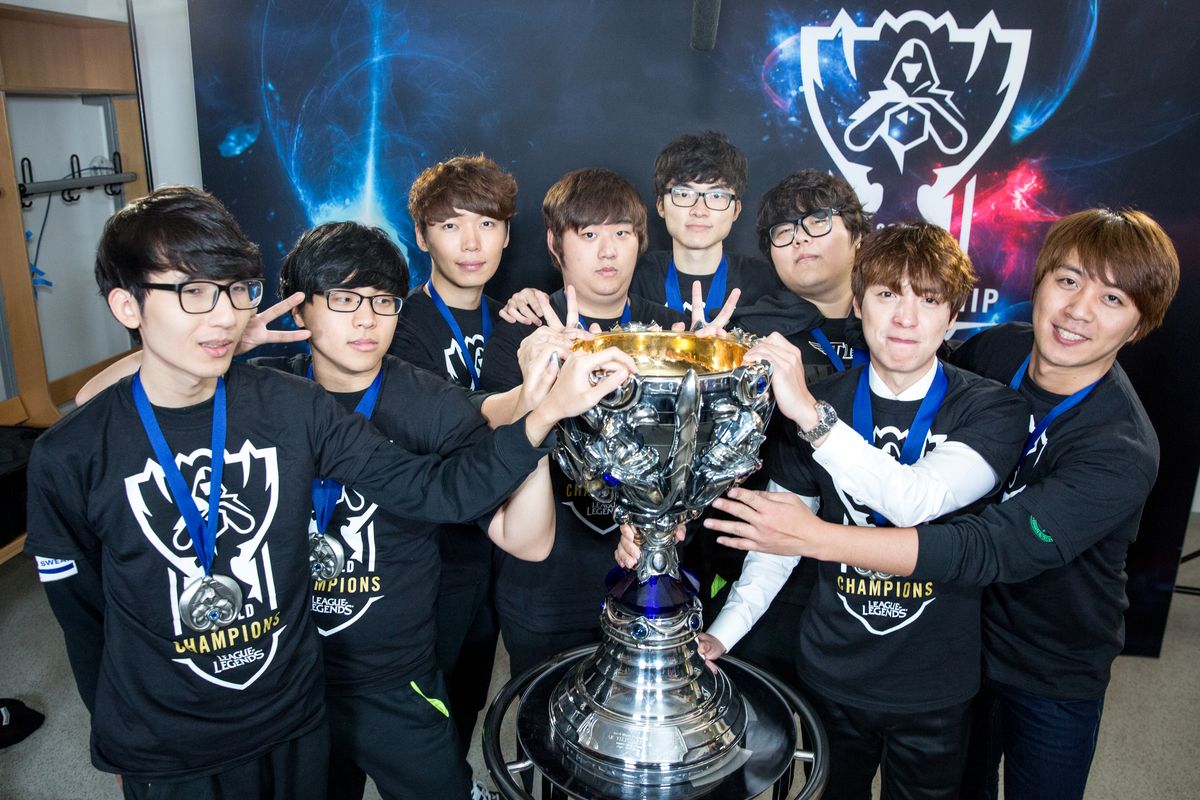
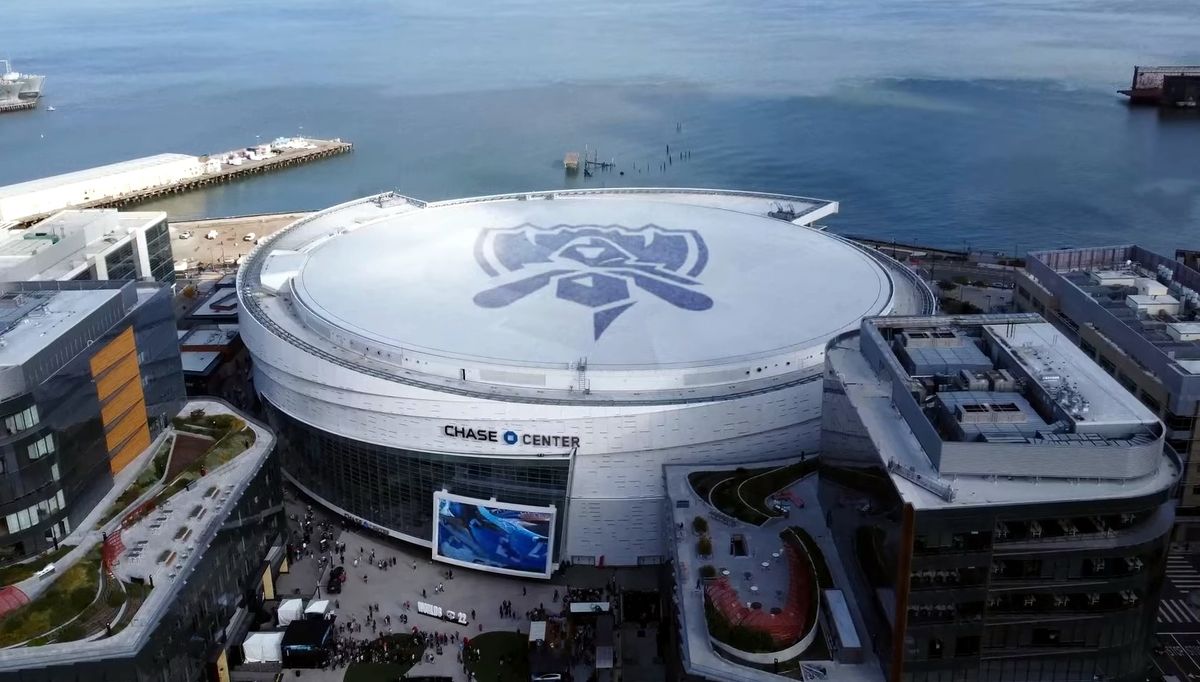
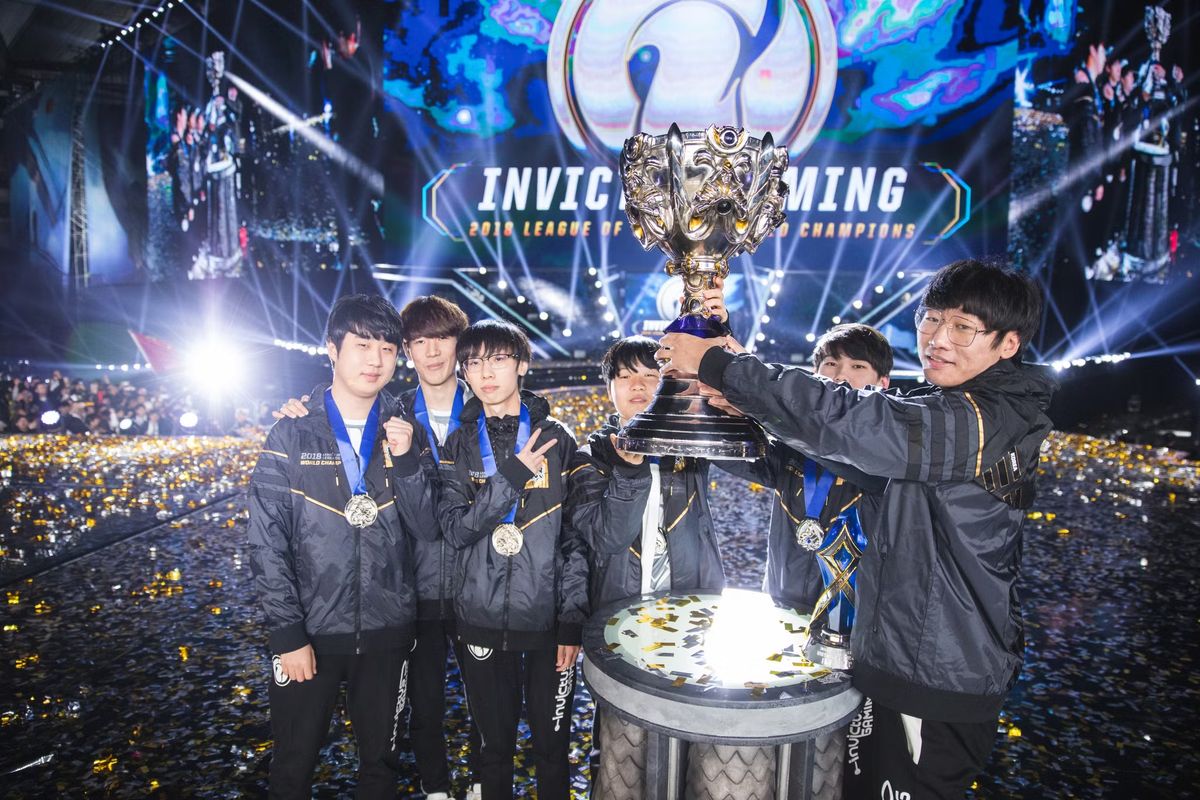
The final was held at Munhak Stadium in Incheon on November 3. It pitted China's Invictus Gaming (IG) against Europe's Fnatic. Invictus Gaming secured a dominant 3-0 victory, claiming the Summoner's Cup in a total series time of just 85 minutes, the fastest world championship final in history. This victory marked the first world title for China's LPL region and ended a five-year streak of championships won by teams from South Korea's LCK. IG's jungler, Gao 'Ning' Zhenning, was named the finals MVP due to his outstanding performance and contributions during the series, the first player in the jungle position to receive the award.
Cultural Impact and Opening Ceremony
The tournament's opening ceremony was a major spectacle, drawing over 90 million concurrent viewers. Riot Games used the platform to unveil K/DA, a virtual K-pop group. The group was represented in a live performance at the finals by singers Soyeon and Miyeon from (G)I-dle, Madison Beer, and Jaira Burns. K/DA's debut song, Pop/Stars, was an instant global hit, topping music charts and setting rapid viewership records for its music video on YouTube. A dance practice video for the song, a staple of K-pop culture, was also released.
The official tournament theme song was RISE, created by The Glitch Mob, Mako, and The Word Alive. A remix featuring Bobby from iKON was released shortly after the original. The song was performed live at the finals by all the involved artists and would be performed again when South Korea hosted the World Championship for a second time in 2023. The ceremonial performances of the tournament have been widely praised.
Record Viewership and Unpredictable Nature
The 2018 World Championship set a new benchmark for esports viewership. It became the most watched esports event in history at the time, with a peak of over 200 million concurrent viewers during the final. This figure surpassed the viewership of the 2017 final and even the peak viewership of major worldwide sporting events like the Super Bowl. The final alone was watched by 99.6 million people, breaking the previous year's record.
Beyond the numbers, the tournament is remembered for its shocking and unpredictable results. It featured numerous surprising upsets from the group stage onward, leading many to consider it the most unpredictable World Championship in the history of League of Legends. The victory of Invictus Gaming demonstrated a major shift in international competition, proving that the LCK's long-held dominance could be decisively challenged.
Venues and Tournament Conclusion
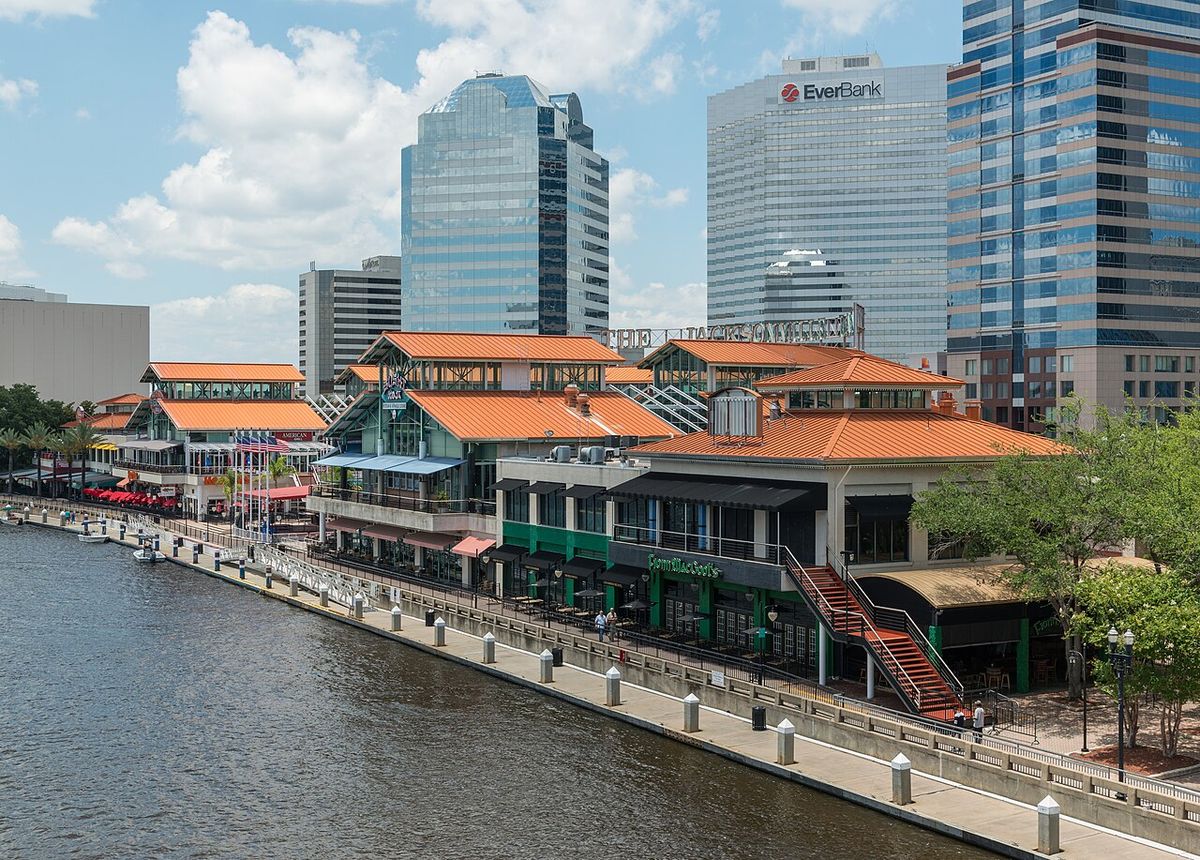
The competition was hosted across four South Korean cities: Seoul, Busan, Gwangju, and Incheon. Seoul hosted the play-in stage at LOL PARK. The group stage moved to the BEXCO Auditorium in Busan. The knockout stage progressed through venues in Gwangju and concluded with the final at Munhak Stadium in Incheon. The event ran from October 1 to November 3, 2018.
The tournament was the conclusion of the 2018 League of Legends competitive season. Invictus Gaming's victory not only earned them the Summoner's Cup but also a champion's share of $2,418,750 from the total prize distribution. The event's success in viewership, cultural impact, and competitive drama confirmed its place as one of the most significant chapters in the history of the game's esports.
FAQ
Who won the 2018 League of Legends World Championship?
Invictus Gaming from China won the 2018 World Championship. They defeated Europe's Fnatic 3-0 in the final held in Incheon, South Korea.
What was the prize pool for Worlds 2018?
The initial prize pool for the tournament was $2,250,000. The champion team, Invictus Gaming, claimed $2,418,750 from the total prize distribution.
Why was the 2018 World Championship considered historic?
It was historic because Invictus Gaming's victory marked the first time a team from China's LPL region won the world championship. It also broke a five-year streak of wins by teams from South Korea's LCK.
What was the K/DA group from the 2018 Worlds opening ceremony?
K/DA was a virtual K-pop group unveiled by Riot Games during the opening ceremony. The group's debut song, Pop/Stars, performed by Soyeon, Miyeon, Madison Beer, and Jaira Burns, became a global chart-topper.
How many people watched the 2018 Worlds finals?
The finals reached a peak of over 200 million concurrent viewers, making it the most watched esports event in history at that time. The final match alone was watched by 99.6 million people.
Source: English Wikipedia (CC BY-SA), rewritten by the Redington Cybersport desk.