Leviatán's Champions Snub Sparks Debate Over VCT Qualification System
Masters London winners Leviatán miss VALORANT Champions 2026 despite international success, exposing tensions in VCT's points-based qualification format.
Shocking Omission Rocks VCT Landscape
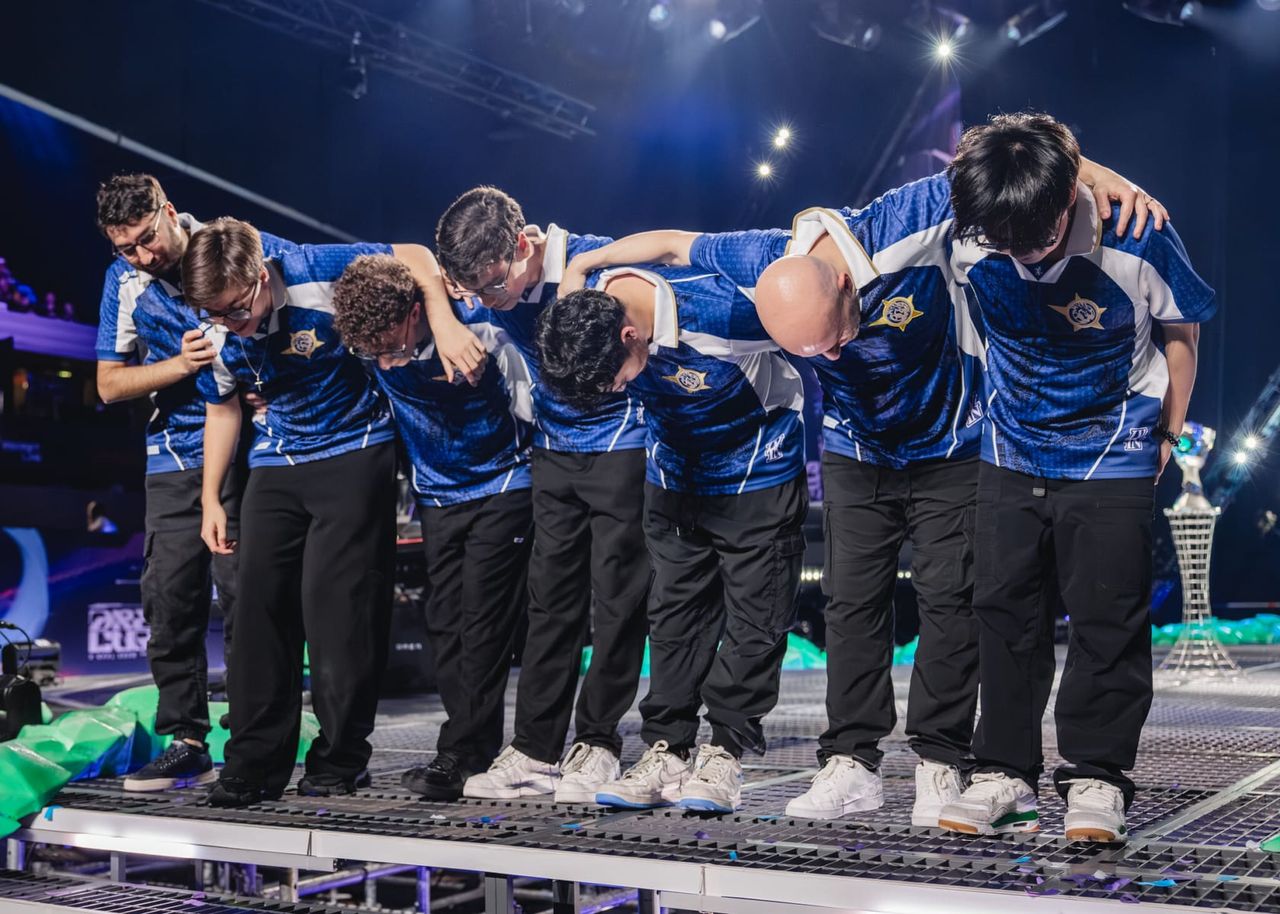
Leviatán's absence from VALORANT Champions 2026 marks an unprecedented scenario in competitive VALORANT history. The Argentinian organization became the first team to win a Masters tournament yet fail to qualify for that year's Champions event, finishing just 2 VCT Points behind fourth-seeded G2 Esports in the Americas region. This mathematical elimination came despite Leviatán's 15-point head start from Stage 1 (7 points) and Masters London (8 points), demonstrating how quickly fortunes can change in VCT's competitive ecosystem.
The Perfect Storm of Misfortune
Several factors converged to create Leviatán's nightmare scenario. NRG and G2 Esports secured 10 and 7 additional points respectively through deep Stage 2 playoff runs, while underdogs 100 Thieves locked an early top-2 finish. The final blow came when Brazilian squad LOUD defeated both G2 and NRG in São Paulo, securing their own Championship berth. Leviatán's 19 total points became insufficient when measured against NRG's 21 and G2's 21, despite the Masters champions having dominated internationally just months prior.
Competitive Depth or Structural Flaw?
The debate surrounding Leviatán's elimination centers on whether this represents healthy regional competition or systemic imbalance. Former Team Liquid coach Connor "Sliggy" Blomfield noted, "The only thing that you take away from this is just that Americas is absolutely stacked. For this to happen, this region is really, really good." However, critics highlight structural issues, such as Masters London providing fewer points (8) than a regional stage win (minimum 9), creating perverse incentives. VALORANT coach Fayde Chong argued, "LEV winning Masters 2 months ago and still missing Champs really highlights a flaw in this circuit format."
Self-Inflicted Wounds?
Analysts point to questionable competitive decisions that may have contributed to Leviatán's downfall. During crucial Stage 2 playoff matches, the team banned their statistically strongest maps (Haven and Split) and deviated from their successful Neon-Phoenix duelist composition. "They were prepping for Champs, but not in Champs. They are to blame," Sliggy observed, criticizing the premature strategic experimentation. Leviatán's earlier struggles also trace back to VCT Americas Kickoff, where age restrictions forced them to compete without star rookie Bruno "Neon" Rodríguez, resulting in zero points from that stage.
The Consistency Conundrum
Modern VALORANT's accelerated meta shifts present unique challenges for international competitors. Unlike early VCT seasons where teams could maintain dominance through stable strategies, the 2025-2026 circuits demand constant adaptation. This volatility particularly impacts Masters winners, who must immediately readjust for subsequent regional stages. Enterprise Esports player Martin "Magnum" Peňkov questioned the system, stating, "Surely we give a team who wins international guaranteed slot next year," echoing calls for Champions qualification rules similar to League of Legends Worlds, where international success carries more weight.
Systemic Reckoning Looms
Leviatán's situation exposes fundamental tensions in VCT's evolving structure. The current points system disproportionately rewards late-season regional performance over international achievement, while frequent meta changes punish early success. With 2027's planned open ecosystem and significant financial stakes for non-partnered teams qualifying for majors, the format requires reassessment. Potential solutions include awarding more points for Masters victories (10+ rather than 8) or implementing hybrid qualification similar to League of Legends, where global success combines with subsequent regional performance. This controversy underscores how VALORANT's competitive framework must evolve alongside its rapidly maturing esports landscape.